
Last updated October 16, 2026








Free written scope consultation - allowances, timeline, and change-order rules on paper before a single trade is scheduled
General Contractor Maintenance Checklist for Ventura Homeowners
Most home maintenance checklists are useless here. They’re written for a generic American suburb where the biggest annual threat is a clogged gutter. Ventura is different. Our salt air corrodes metal twice as fast as inland air, our Santa Ana winds turn unsealed exterior gaps into ember vacuums every October, and our clay-heavy soil expands and contracts enough to crack foundations that would be perfectly stable in Ohio. A Ventura homeowner who follows a generic checklist is checking the wrong things at the wrong time. This guide is built for the houses we actually work on: stucco and wood-frame homes from Midtown to the Avenue, hillside properties in Ondulando, and coastal homes within three blocks of the water. Here’s what to actually check, when to check it, and what it costs to fix before it breaks.
Quick Answer
A Ventura home maintenance checklist prioritizes three things that matter here more than anywhere else: pre-October fire-season prep (vent screens, caulk integrity, ember gaps), salt-air corrosion inspection within one mile of the coast (flashing, fasteners, HVAC fins, hardware), and post-rain drainage checks on our clay soil (foundation cracks, downspout discharge, slope erosion). Most tasks a homeowner can inspect themselves in under an hour per season; repairs involving gas, electrical, structural framing, or roofing warrant a call to a licensed contractor at (831) 604-3426; see How to Hire a Construction Contractor in Ventura: A Step-by-Step Guide for help choosing the right pro.
Styles & brands we work with
- Kitchen remodeling
- Bathroom remodeling
- Home additions & ADU
- Roofing
- Windows & doors
- Driveway & pavers
- Fence
Table of Contents
- Pre-Santa Ana Season Checklist (September to October)
- Salt-Air Corrosion: What Fails First on a Coastal Ventura Home
- Post-Rain Drainage and Foundation Priorities on Ventura Clay
- The Quarterly Walkthrough: One Hour, Four Times a Year
- DIY vs. Licensed Contractor: Where the Line Actually Is
- Documentation: The Maintenance Paper Trail That Protects Your Home’s Value
- Common Mistakes to Avoid
- When to Call a Professional
- Frequently Asked Questions
Pre-Santa Ana Season Checklist (September to October)
In Ventura, the fire season is not a hypothetical. The Thomas Fire in 2017 burned over 280,000 acres and destroyed more than 1,000 structures, many of them in our hillside neighborhoods. The Fire Department’s ember intrusion research consistently shows that homes burn from the inside out when embers get into attics, crawl spaces, and wall cavities through small openings. This is where the pre-October checklist starts.
The Six-Point Ember Defense Walkthrough
Set aside one Saturday morning in late September. You’ll need a ladder, a flashlight, and a tube of exterior caulk rated for stucco or wood, whichever your home is built with.
- Vent screens. Check every vent to the attic, crawl space, and soffit. Screens must be 1/8-inch mesh or finer. A screen with 1/4-inch mesh passes the building code in some areas but does not stop wind-driven embers, which is the entire point in Ventura. Replace or overlay with 1/8-inch stainless or galvanized mesh. Cost: $3 to $8 per vent cover at any local hardware store.
- Exterior caulk and sealant. Walk the entire exterior and look at every seam where stucco meets wood, where the garage door frame meets the wall, and where pipes or electrical conduits enter the house. In our climate, urethane caulk fails within five to seven years and acrylic caulk fails much faster. If you can slide a fingernail under the edge, it’s time to recaulk. A gap the width of a nickel is more than enough for an ember to enter. This is a job most homeowners can do themselves with a $12 caulk gun and three tubes of quality sealant.
- Roof-to-wall joints. Use binoculars from the ground if you don’t want to climb. Look at the flashing where the roof meets vertical walls, chimneys, and skylights. On Ventura hillside homes with tile roofs, cracked tile or slipped tile at the ridge line is common after a hot summer of expansion and contraction. A single slipped tile is a path for embers and, in January, rainwater.
- Deck and fence gaps. Anywhere a wooden deck board meets the house, an ember can sit and smolder. Clear leaf litter, pine needles, and anything combustible from the gap. If the gap is wider than 1/4 inch, fill it with metal flashing or high-temperature sealant.
- Garage door weatherstripping. The rubber strip along the bottom of the garage door degrades faster in dry heat than anything else on your house. If you can see daylight under the door, replace the seal. This matters for ember entry and also for keeping rodents out in the winter.
- Dryer vent and bathroom exhaust terminations. The flapper on exterior dryer vents wears out in about four years in salt air. If yours doesn’t close fully, you’re inviting embers in during fire season and damp air out during the rest of the year.
Salt-Air Corrosion: What Fails First on a Coastal Ventura Home
If you live west of Highway 101, or within about a mile of the water, your home ages differently than a house in East Ventura or Saticoy. Moist salt air settles on every metal surface and accelerates oxidation. We see this in our general contractor work in Ventura constantly: a home three blocks from the beach will have visibly corroded hardware within five years, while the same hardware lasts twenty years inland.
Corrosion Hot Spots to Inspect Every Spring
These are the components that fail first and cost the most to repair if they go unnoticed.
- Exterior electrical boxes and conduit. Any exposed metal conduit, junction box, or meter-mounted electrical component will show rust pitting within five to eight years of salt exposure. Look for bubbling paint, rust streaks, or a white powdery crust (zinc oxide from galvanized coating). If the conduit rusts through, water gets into the electrical system. This is a call to an electrician, not a DIY fix.
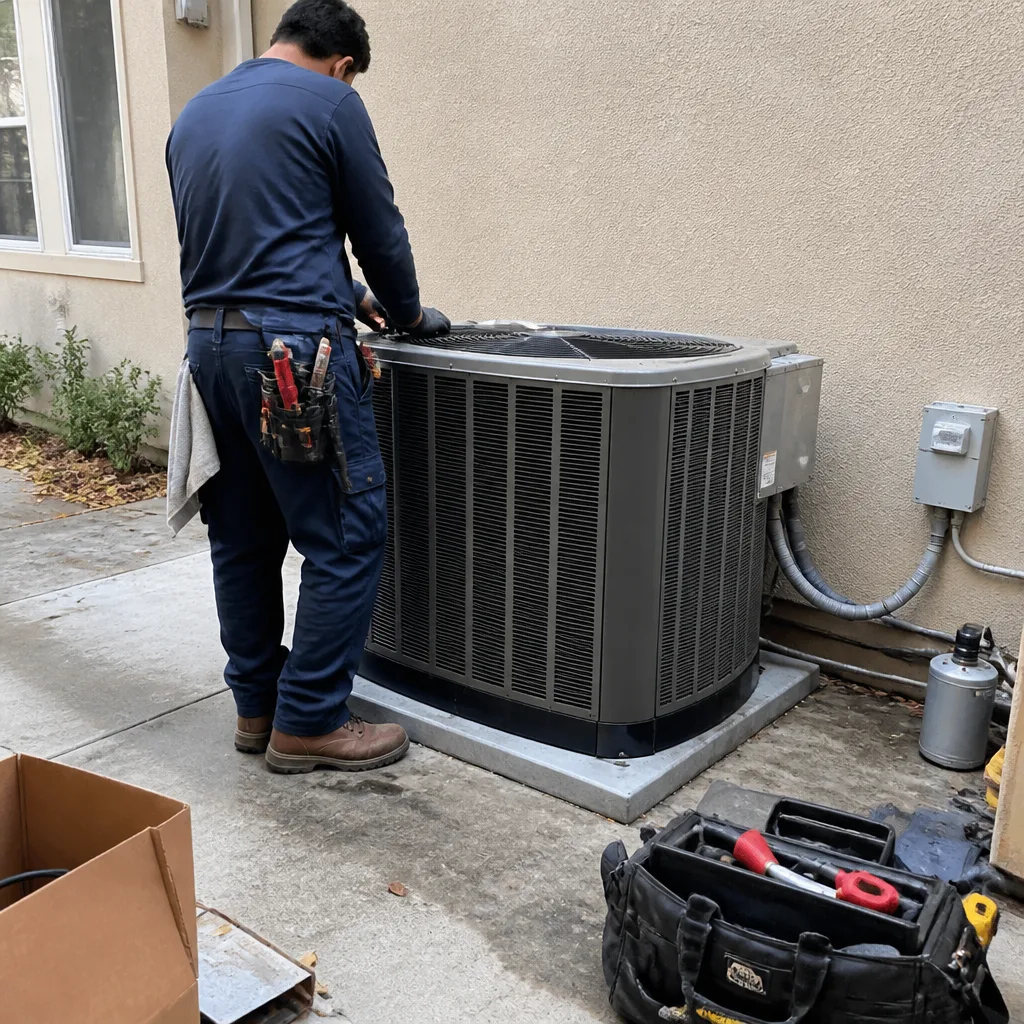
- HVAC condenser fins. The outdoor AC unit pulls salt air across its aluminum fins every time it runs. Coastal Ventura units routinely lose 30 to 40 percent of their heat-exchange efficiency within seven years because the fins corrode and lose surface area. Clean the fins with a gentle spray each spring and have the system serviced yearly. When you replace a coastal unit, ask for an “epoxy-coated fin” or “coastal-rated” condenser, which adds about $300 to $600 to the cost and typically doubles the unit’s lifespan near the water.
- Roof flashing and exposed fasteners. Galvanized roof flashing and exposed nail heads on ridge caps and chimneys rust through predictably near the coast. Inspect from the ground with binoculars each spring. Rust streaks running down the roof indicate failing fasteners. Replacing flashing is a roofer’s job, not a homeowner’s.
- Exterior door hinges, handlesets, and window hardware. Brass handlesets hold up okay. Steel hinges, latch mechanisms, and screws do not. If your front door sticks, the lock binds, or the hinges squeak even after oiling, corrosion is the likely culprit. In our experience, coastal front door hardware fails in six to ten years. Replacing it is straightforward for a handy homeowner who can drill and chisel hinge mortises.
- Window screens and frames. Aluminum window frames corrode at the corners and along the bottom track where salt water pools after coastal fog. If your windows are from a manufacturer like ES Windows or ECO Window Systems, the frames are built for this environment, but even quality aluminum benefits from a twice-yearly freshwater rinse to remove salt film. If you’re replacing windows, ask about marine-grade finishes; several brands in the CWS and Mr-Glass lines carry them.
The practical rule: if it’s metal, it’s wet, and it’s within a mile of the Pacific, check it every spring. Corrosion rarely causes a sudden failure. It causes slow degradation that becomes expensive only when ignored for two or three years.
Post-Rain Drainage and Foundation Priorities on Ventura Clay
Ventura sits on expansive clay soil that swells when wet and shrinks when dry. The worst damage happens not during a heavy storm but in the drying period afterward, when the soil contracts unevenly and the house settles into the void. We’ve seen this pattern repeatedly in our home renovation work across Ventura: a wet winter followed by a dry spring produces more foundation reports than any other season combination.
Five Drainage Checks After the Rainy Season Ends (March – April)
- Walk the perimeter and look at the foundation stem wall. Mark any cracks with painter’s tape and the date. Hairline cracks (less than 1/8 inch) that don’t widen over two seasons are usually cosmetic. Cracks wider than 1/8 inch, or any crack that widens from one season to the next, or diagonal cracks running at 45 degrees from a corner, warrant a foundation inspection from a licensed contractor or structural engineer. In Midtown and the Avenue, where many homes date from the 1920s through 1950s, original foundations are often unreinforced and deserve particular attention.
- Check downspout discharge. Every downspout should discharge at least three feet from the foundation. In Ventura hillside homes, the erosion risk is compounded because water running downhill alongside the foundation undercuts the footing. If a downspout discharges against the house, add an extension. If it discharges onto a slope, add a splash block or a pipe that carries water to the street or a dry well. This is the single highest-ROI maintenance task on a hillside property.
- Inspect retaining walls and slope grading. In neighborhoods like Ondulando, Foothill, and the hills above the Avenue, retaining walls fail slowly. Look for bulging, leaning, new cracks, or soil erosion at the base. A retaining wall that moves an inch in a season is sending a signal. Repairs cost $150 to $400 per linear foot for small walls, and far more for walls over four feet that need engineering.
- Check the crawl space. If your home has a crawl space, inspect it after three consecutive dry days. Look for standing water, mud channels, wood rot at the sill plate, and any evidence of termites (mud tubes on foundation walls). Ventura’s combination of wet winters and dry springs makes crawl space wood an ideal termite environment. A moisture barrier, or at minimum, proper venting, is essential.
- Inspect planter beds against the house. Built-up soil or mulch against the stucco wicks moisture into the wall. Keep a four-to-six-inch gap between soil and stucco. If your planter has settled so that water pools against the house during rain, re-grade it. This is a two-hour shovel job.
The Quarterly Walkthrough: One Hour, Four Times a Year
Every maintenance manual talks about annual schedules. In our experience running our General Contractor services in Ventura, quarterly checks catch more problems, and the beauty is that each takes about an hour. Here’s the whole-year rhythm.
Spring (April): Salt and Drainage
- Inspect all exterior metal for corrosion per the salt-air list above.
- Walk the perimeter for foundation cracks and drainage issues per the post-rain list.
- Clean or replace HVAC filters. If your system sat unused all winter, have it serviced before summer.
- Test all GFCI outlets (kitchen, bath, exterior, garage). Press test, then reset. Replace any that trip without a load.
Summer (July): Heat and Termites
- Walk the exterior looking for mud tubes on the foundation and stucco. Drywood and subterranean termites both swarm in Ventura’s warm summer months.
- Check the attic for any daylight showing through the roof deck. If you see light, rain gets in.
- Flush the water heater. Sediment from Ventura’s hard water builds up and reduces efficiency. A yearly flush adds two to three years to the unit.
- Check irrigation lines and sprinkler heads. A leaky sprinkler spraying the house foundation all summer is a future drainage problem.
Fall (October): Fire Season Prep
- Complete the six-point Santa Ana walkthrough above.
- Clean gutters before the first rain, even if you cleaned them in spring. Dry coastal wind carries dust and debris.
- Inspect roof tile and flashing from the ground with binoculars.
- Replace weatherstripping on doors and windows that show daylight.
Winter (January): Storm Response
- During or immediately after the first heavy rain, check the crawl space and attic for leaks. The first storm reveals every problem that the summer created.
- Inspect downspouts and drainage while it’s actively raining. Watch where water goes. Fix what’s wrong before the next storm.
- Check exhaust vents for blockage. A bathroom fan that can’t exhale humid air all winter causes mold by March.
- Test the sump pump if you have one. Pour a bucket of water in and confirm it pumps out.
DIY vs. Licensed Contractor: Where the Line Actually Is
A lot of Ventura homeowners overestimate how much maintenance they can safely do and underestimate how quickly a small repair becomes a code violation or a warranty void. Here’s how the line actually works in our experience.
Safe for a Careful Homeowner
- Replacing vent screens and weatherstripping
- Recaulking exterior seams and gaps
- Downspout extensions and splash blocks
- Cleaning HVAC fins with a gentle spray or fin comb
- Replacing cosmetic hardware (hinges, handlesets, lock cylinders)
- Flushing a water heater (follow the manufacturer’s procedure exactly)
- Replacing smoke detector batteries and testing GFCI outlets
- Regrading shallow planter beds (less than four inches of soil movement)
Requires a Licensed Contractor
- Any roofing repair beyond nailing a single loose shingle or tile. Walking on a Ventura tile roof to fix a leak voids most manufacturer warranties and is genuinely dangerous.
- Electrical work beyond replacing a fixture or outlet. Running new circuits, replacing a panel, or working on the service entrance requires a licensed electrician and a permit in Ventura.
- Gas line work of any kind. This includes moving a water heater, installing a gas range, or adding a gas line for an outdoor kitchen. Gas is a code-permit job with zero margin for DIY error.
- Foundation repairs, retaining wall construction over four feet, or any structural post that holds up a beam.
- Plumbing beyond replacing a faucet or a toilet wax ring. Re-piping, moving drains, or working on the main water line requires a licensed plumber.
- Window replacement where the opening size changes or where structural framing is disturbed. A direct-replacement window with the same rough opening is a different job than enlarging an opening or replacing a rotted header.
The warranty angle matters more than most homeowners realize. If you install a roof and then attempt a repair yourself, the manufacturer may void the entire warranty. Same with windows. A written warranty from a licensed contractor follows the work; a homeowner patch job doesn’t. Our Sawyer Remodel Ventura team handles the contractor-tier work, and we’re honest about which jobs a homeowner should take on themselves.
Documentation: The Maintenance Paper Trail That Protects Your Home’s Value
Nobody regrets having too much documentation. This is the angle almost every checklist ignores entirely, and it’s worth real money.
Why Documentation Matters in Ventura Specifically
- Insurance claims. If your home sustains wind or fire damage, an insurance adjuster will look at maintenance records. A documented history of pre-season inspections and repairs supports a claim that damage was caused by the event, not by deferred maintenance. Without records, insurers frequently deny claims for “lack of maintenance” and you have no rebuttal.
- Permit applications. When you pull a permit for a remodel or addition in Ventura, the building department will look at the existing condition of the house. A documented maintenance history makes the permitting process smoother, particularly when dealing with older homes in Midtown or the Avenue where the original construction predates modern codes.
- Resale. When you sell a Ventura home, a buyer’s inspector will flag everything you’ve deferred. A binder of dated photos, receipts, and contractor invoices demonstrates that the home was maintained. This routinely adds thousands of dollars to the final sale price, because it removes the buyer’s top objection: uncertainty about hidden conditions.
A Simple Documentation System
You don’t need a file cabinet. A simple folder on your phone works.
- Create a note or sheet called “Home Maintenance Log.”
- Every time you complete a seasonal walkthrough, add one line: date, what you checked, what you found, what you fixed.
- Take a photo of every repair, before and after. Store it in the same note.
- Save every receipt and every contractor invoice as a PDF. Attach it to the log.
- For any major repair (roof, foundation, electrical panel), note the contractor name, license number, date of work, and warranty period.
- When you sell the house, export the log and hand it to the buyer’s agent with the disclosure documents.
This takes twenty minutes per season. It is the cheapest insurance you will ever buy.
Common Mistakes to Avoid
- Using a generic national checklist. A checklist written for Ohio tells you to check your gutters in November and your AC in May. Ventura’s calendar is different: fire season prep in September, drainage checks in March, salt-air corrosion every spring. Use a checklist built for this climate.
- Ignoring small exterior gaps. A gap the width of a quarter between stucco and trim is not a cosmetic issue, it’s an ember entry point in October and a moisture entry point in January. Both failures cost more than the $8 tube of caulk.
- Deferring roof inspection because the roof is “new.” A roof installed in 2020 is already five years into its lifespan. Coastal flashing can fail independently of the roofing material, and a failure at a roof-to-wall joint leaks into the wall cavity long before you see a stain on the ceiling.
- Doing structural work without a permit. In Ventura, the building department requires permits for work that affects structural integrity, electrical systems, plumbing, or the building envelope. Unpermitted work becomes a problem at resale and can void your homeowner’s insurance.
- Painting over water stains without finding the source. By the time a water stain appears on drywall, the leak has existed for weeks or months. Painting over it without locating the source means the problem continues invisibly behind the paint. Find the leak first.
- Assuming coastal hardware is “supposed” to corrode. Salt-air corrosion is normal, but ignoring it until a hinge snaps or an electrical conduit rusts through is not. Scheduled inspection and replacement at the first sign of pitting is far cheaper than emergency repair.
When to Call a Professional
Some maintenance findings are signs to stop and call a licensed contractor rather than continue a DIY repair. A foundation crack wider than 1/8 inch that widens between seasons needs a structural opinion. Any roof leak, regardless of size, warrants a roofer’s evaluation because water travels laterally and the entry point is rarely where the stain appears. Electrical problems beyond a tripped breaker, any gas smell, and any retaining wall that has moved are professional territory. When you need a licensed contractor for repair or a full remodel, the team at Sawyer Remodel Ventura offers free estimates in Ventura, a written price before work starts, and the Done Right Promise. Call (831) 604-3426 to schedule.
Frequently Asked Questions
Pre-October fire-season prep is the highest priority for most Ventura homes because the consequences of inaction are catastrophic. The six-point ember defense walkthrough (vent screens, caulk, roof-to-wall joints, deck gaps, garage weatherstripping, and exhaust terminations) takes one morning and costs under $100 in materials for most homes.
Inspect all exterior metal components every spring, or every six months if you’re within half a mile of the water. The most failure-prone items are electrical conduit, HVAC condenser fins, roof flashing fasteners, and door hardware. Clean aluminum window frames with freshwater twice a year to remove salt film.
Yes. A roof installed today still has flashing, fasteners, and sealant that degrade independently of the roofing material. Coastal flashing can fail within five to seven years. Inspect the roof-to-wall joints, chimney flashing, and ridge caps from the ground every fall with binoculars.
You can and should inspect your foundation visually. Look for cracks wider than 1/8 inch, diagonal cracks from corners, or cracks that widen between seasons. If you find any of those signs, call a licensed contractor or structural engineer for a formal evaluation. Visual inspection is a homeowner task; diagnosis and repair are not.
A DIY seasonal walkthrough typically costs $50 to $150 in materials (caulk, vent screens, weatherstripping, downspout extensions). If the walkthrough reveals a professional repair, costs depend on the scope: re-caulking the exterior runs $400 to $800, corroded flashing repair $600 to $1,200, and foundation crack repair $800 to $3,000 depending on severity. Catching problems early is always cheaper.
Keep a dated log of every inspection and repair, photos before and after each repair, receipts for all materials and contractor work, and the contractor’s name, license number, and warranty period for major work. This documentation supports insurance claims, smooths the permit process, and adds resale value by proving the home was maintained.
The Bottom Line

Ventura homes face threats that national checklists don’t address: ember intrusion in October, salt-air corrosion within a mile of the coast, and clay-soil drainage problems that show up after the rains. The maintenance rhythm here is seasonal: fire prep in fall, drainage and corrosion in spring, heat and termite checks in summer, and storm response in winter. Most inspections are DIY-friendly and take under an hour. The repairs that follow are sometimes not. Document everything, call a licensed contractor when the work exceeds your skill or the code requires a permit, and call Sawyer Remodel Ventura at (831) 604-3426 for a free estimate when your checklist turns up a problem worth fixing properly. For more guides & resources, explore our blog.
Written by the team at Sawyer Remodel Ventura.
See the difference
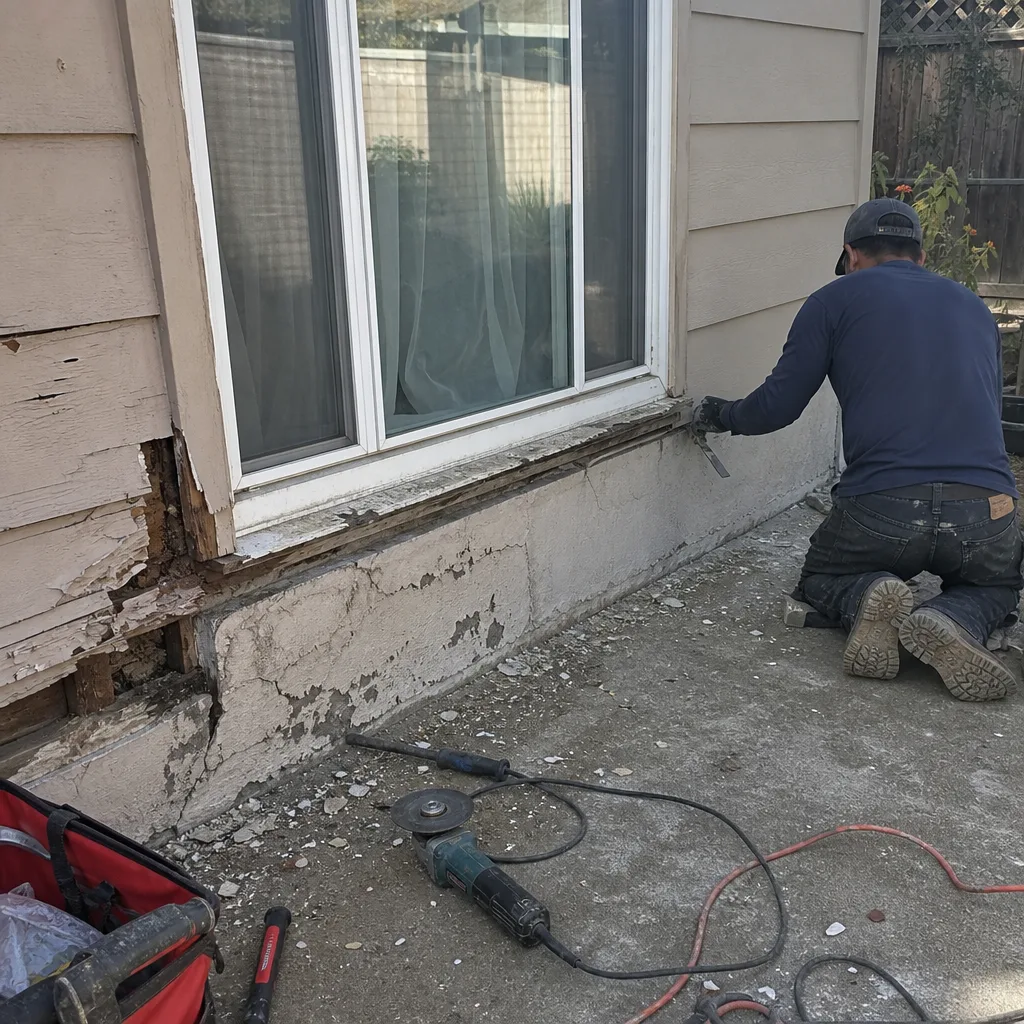 Before
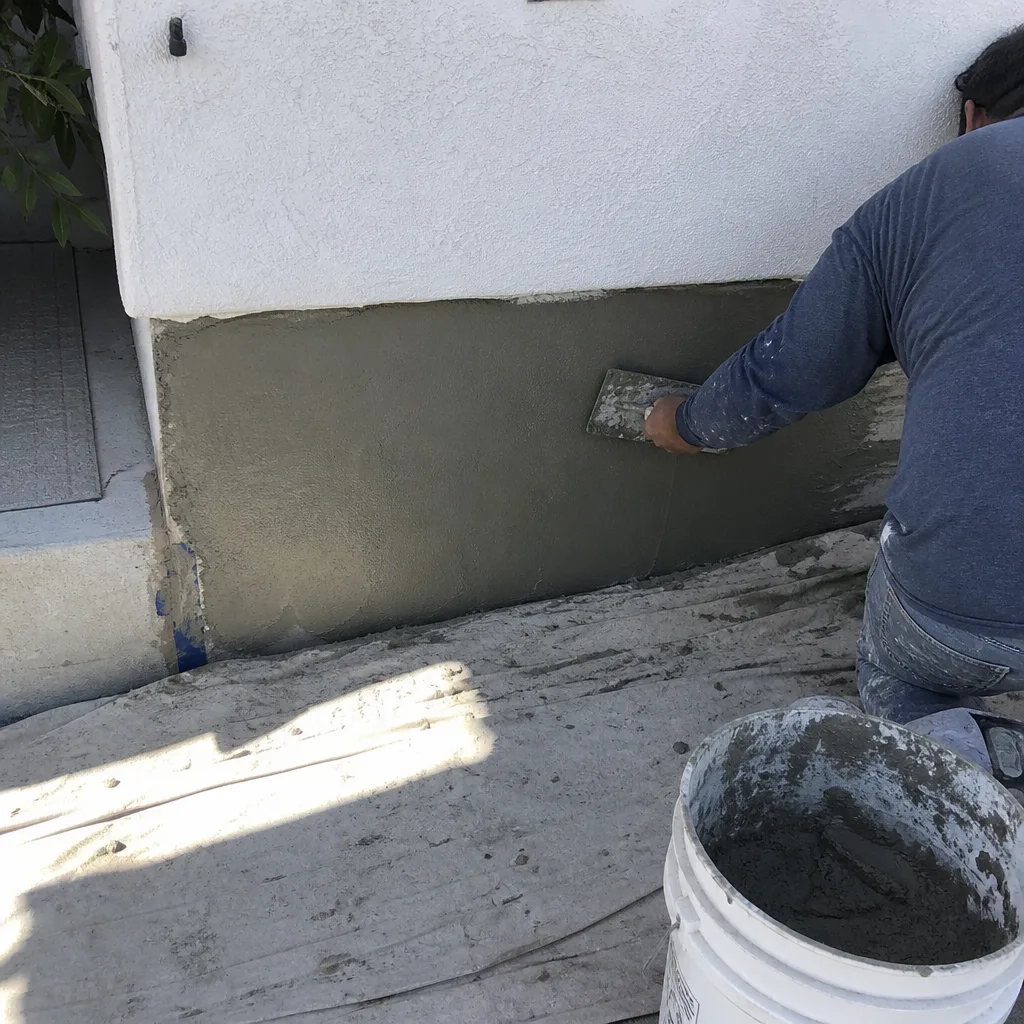 After
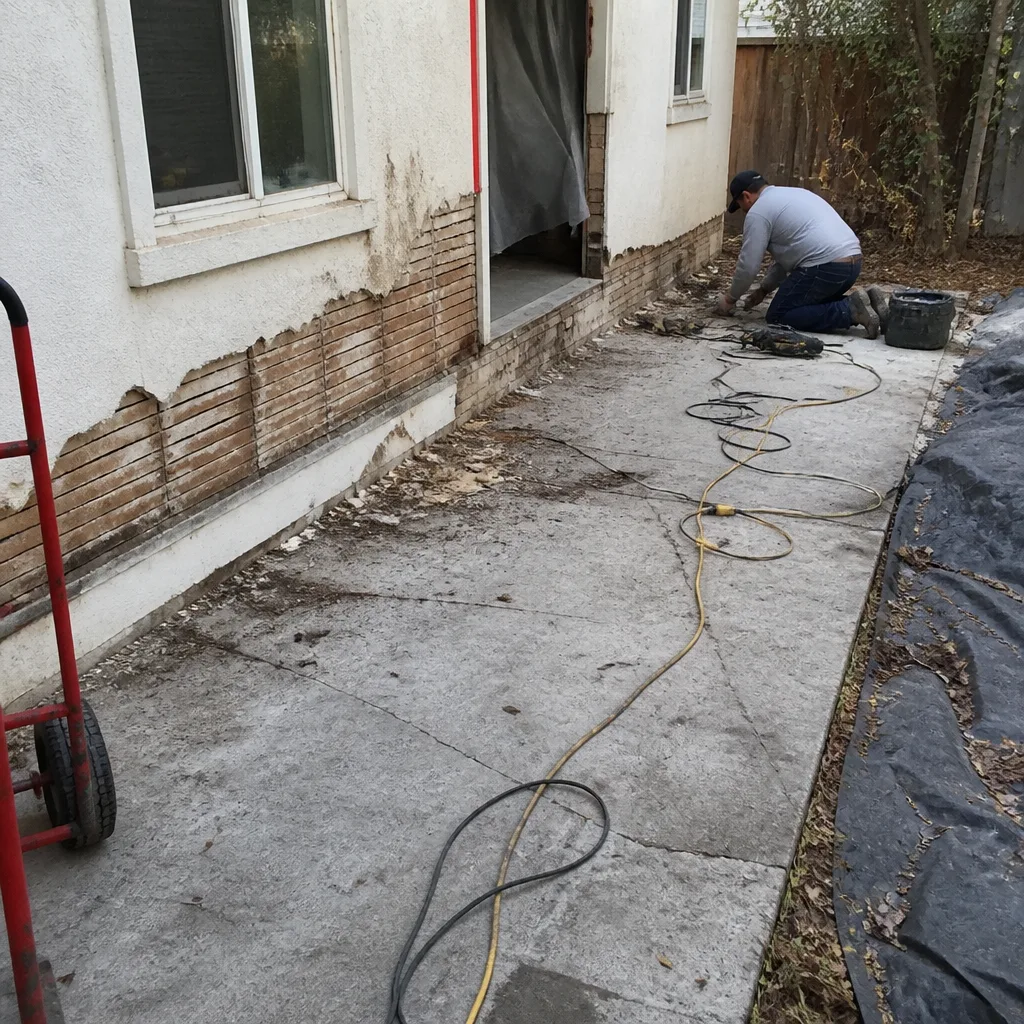 Before
 After
 Before
 After