
Free written scope consultation - allowances, timeline, and change-order rules on paper before a single trade is scheduled
American Standard Roofing: The Ventura Owner’s Guide
We stock and install American Standard-compatible roofing in Ventura, with most roof repairs running $400 – $1,800 and full replacements landing between $8,000 and $20,000 depending on square footage and material. If you’re holding a failed component and wondering whether to patch or replace, the honest answer usually comes down to age: roofs in Ventura take a beating from salt air and UV, and a part failure at year 18 rarely happens alone. The way most Ventura homeowners discover a roofing problem is not through an inspection. It’s a ceiling stain after the first real rain, or granules collecting in the gutter, or a shingle that shows up in the yard after a Santa Ana wind event.
American Standard roofing products are designed to meet specific wind and impact ratings, and when a section fails, matching the replacement to the original span matters. We’re an independent Ventura contractor, not affiliated with the American Standard brand, but we work with their roofing lines regularly and know which components actually fail first. And before we get too deep: if you’re reading this from a ladder, get down. Roof work in Ventura means steep pitches, slick tile, and fall risk that is not worth saving a service call.
Which American Standard Models This Applies To
American Standard roofing falls broadly into two categories: asphalt shingle systems and standing-seam metal profiles. Within the shingle lines, the failure points are consistent: hip and ridge caps lift first, flashing at penetrations (vents, skylights, chimneys) degrades next, and field shingles last longest. That means the part you need is often not the shingle itself but the accessory: the ridge cap, the underlayment at an eave, or the step flashing where a wall meets the roof deck.
Identifying the right replacement requires three things. First, the shingle’s dimensional profile, usually architectural or three-tab. Second, the exposure, which is how much of each shingle remains visible below the one above it, typically 5 to 5-5/8 inches on American Standard architectural lines. Third, the color lot code printed on the original bundle wrapper. Without the lot code, even the correct product name can show a visible dye-lot difference once installed. We check all three before ordering a single bundle for a Ventura home, because a patch that matches on day one and fades differently by year two is not a repair. It’s a reminder.
For the metal profiles, the compatibility question is simpler: panel width and seam type. Standing-seam panels are either mechanically seamed or snap-lock, and they are not interchangeable. If a Ventura homeowner wants to replace a damaged metal panel with an aftermarket equivalent, we’ll show them the difference. OEM keeps the warranty path clean. A quality aftermarket panel often costs 20 to 30 percent less and performs the same in coastal conditions, but it can void the remaining manufacturer coverage. We lay that out in writing before we order anything.
Styles & brands we work with
- Kitchen remodeling
- Bathroom remodeling
- Home additions & ADU
- Roofing
- Windows & doors
- Driveway & pavers
- Fence
Signs Your American Standard Roofing Is Failing
- Granules in the gutter or at downspout elbows. Asphalt shingles shed granules as the asphalt oxidizes. A light dusting is normal for a three-year-old roof. A consistent layer every fall means the shingle’s UV protection is gone and the mat underneath is next. In Ventura, where we get long dry stretches followed by sudden wet weeks, oxidized shingles fail faster because the thermal cycling is constant.
- Lifted or missing ridge caps. Ridge caps take the most wind exposure of any shingle on the house. When they start to curl or separate, water gets under the ridge line and travels along the rafters. By the time you see a stain, the underlayment above it has usually been compromised for months.
- Ceiling stains that darken after rain, then dry to a ring. This is the pattern of a slow, persistent leak rather than a sudden deck failure. It usually traces back to flashing, not the field shingles. We find it most often around plumbing vent boots and skylight curbs in Ventura’s older Midtown homes, where the original flashing predates current code requirements.
- Shingles in the yard after wind events. A single shingle can be a fluke. Three or more on the ground after a Santa Ana means the seal strip has lost adhesion across a whole slope. The roof may look fine from the street while the entire windward side is one strong gust away from full failure.
- Sagging between rafters at the roof line. This is rarely a shingle problem. It means the decking underneath is water-damaged and has lost structural strength. In Ventura’s coastal fog zones, this happens even without active leaks, because trapped moisture condenses on the underside of the sheathing. This one we treat as a structural call, not a parts call.
See the difference
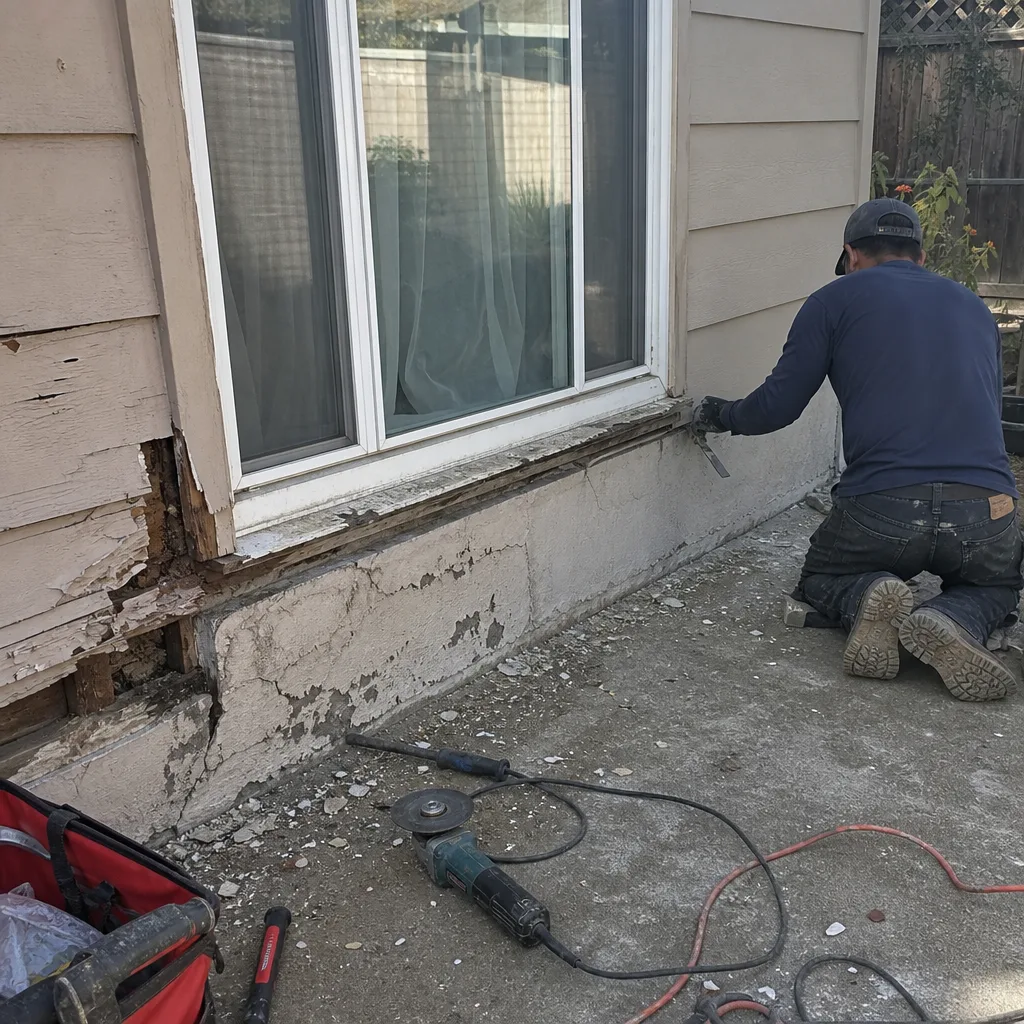 Before
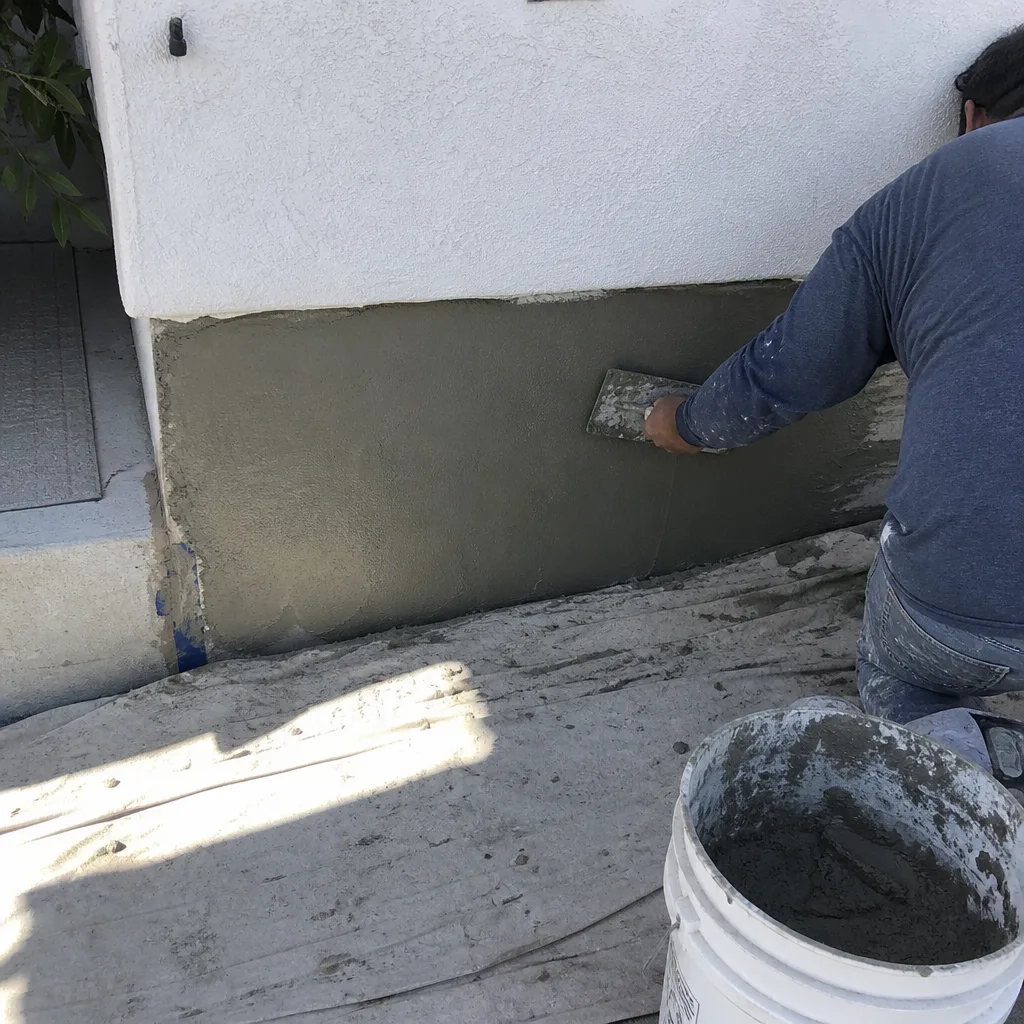 After
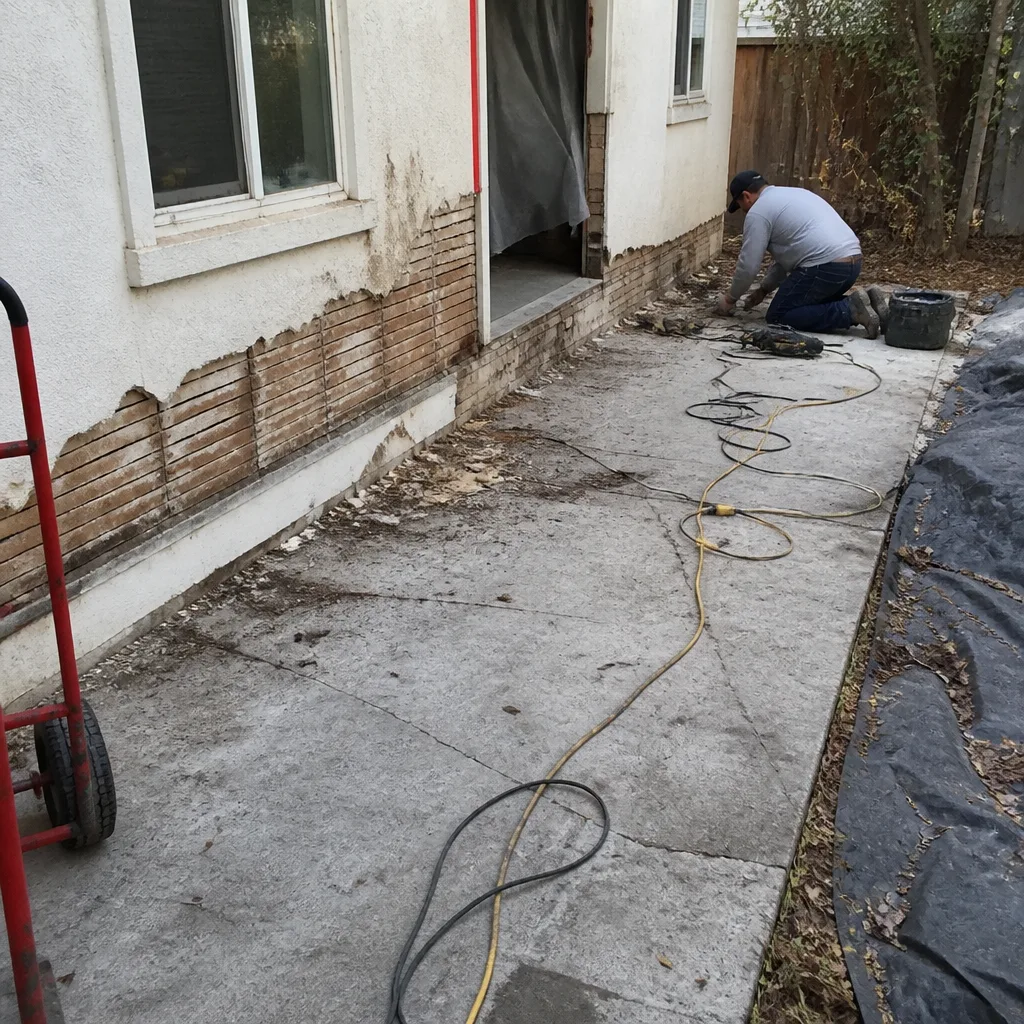 Before
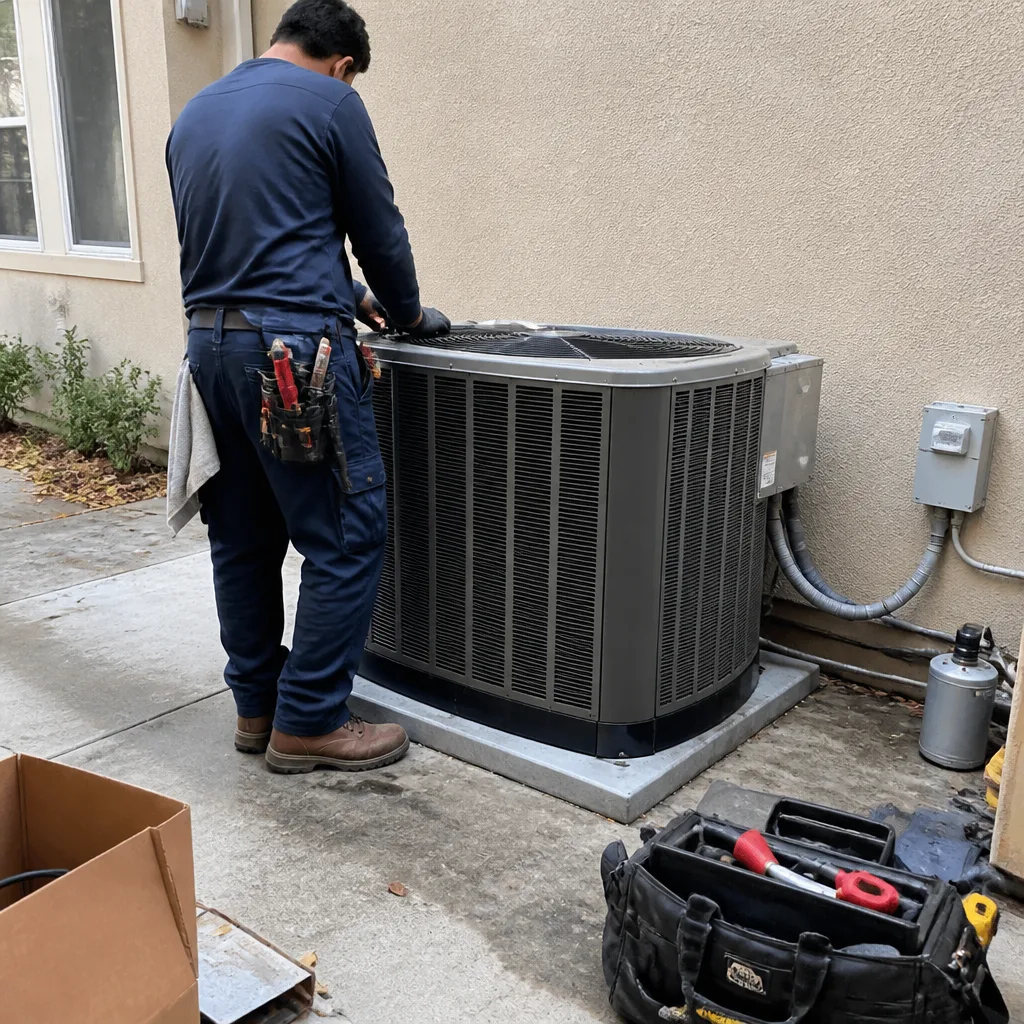 After
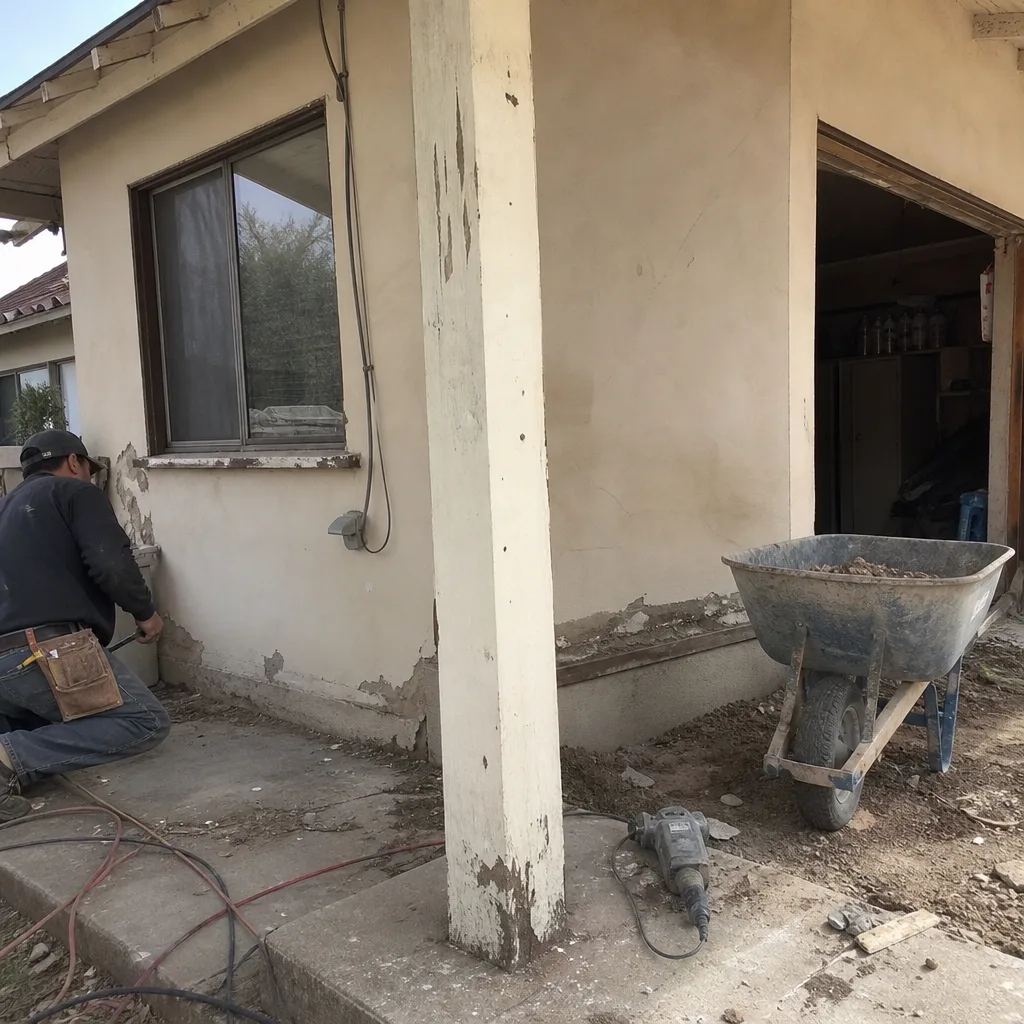 Before
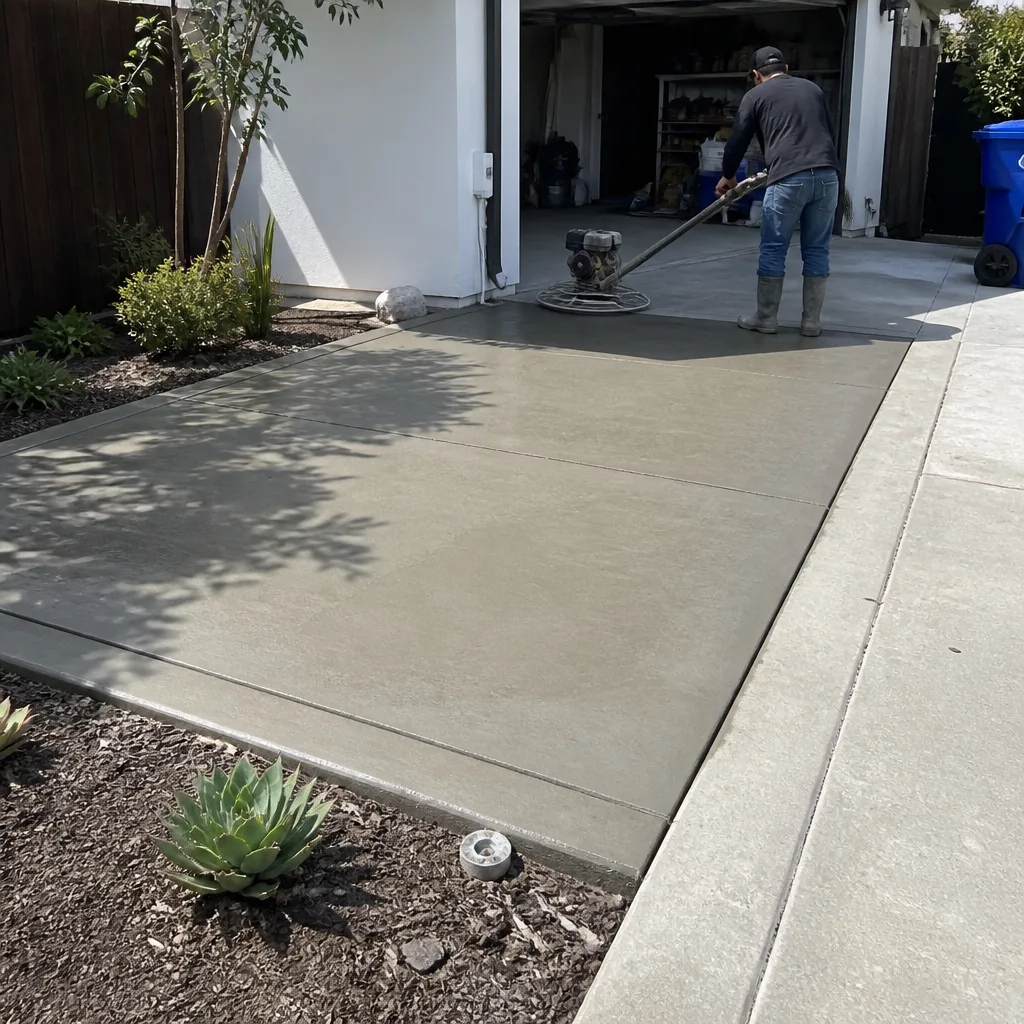 After
Replacement Cost & What’s Included
For a typical Ventura home, roof repair on an American Standard system runs $400 to $1,800 depending on how many components are involved. A single vent boot replacement sits at the low end. Rebuilding a ridge line or replacing a section of step flashing lands around $1,200 to $1,800. Full replacement runs $8,000 to $20,000, and the spread is driven by three things: square footage, single-story versus multi-story access, and whether the existing decking needs to be replaced once we open it up.
Every quote we write in Ventura separates parts and labor line by line. You’ll see the shingle bundles, the underlayment, the flashing, the disposal, and the labor hours as distinct numbers. If we open a roof and find rotted decking that was not visible from below, that becomes a change order with its own written price before we cut a single sheet. The number on the invoice matches the number you approved. That’s how Luca runs every job, and it’s the only way we work.
Our workmanship warranty covers the repair for a full year under the Done Right Promise. If a section we replaced fails in that window, we come back and fix it, no argument about whose fault it is.
DIY or Call Us?
There are a few things you can safely check from the ground or from a stable ladder with a spotter. Look for missing granules in the gutter. Look for visible gaps at the ridge line. Check the attic insulation near vents for water staining. All of that helps you describe the problem when you call, and it costs you nothing.
What we would not do ourselves, and we wouldn’t tell a Ventura homeowner to do either, is walk a roof to replace flashing or shingles without fall protection. Roof pitches here are commonly 6/12 or steeper on older Spanish-style homes, and a fall from even a single-story eave lands hard. There’s also the seal strip issue: prying a shingle loose without cracking the one above it takes a specific touch, and the first time you do this on a 90-degree Ventura afternoon, the asphalt is soft enough to tear with a fingernail. If the repair is north of a single shingle, call (831) 604-3426 and we’ll put eyes on it.
FAQs
An asphalt shingle roof in coastal Ventura should last 18 to 22 years with proper ventilation, while standing-seam metal can go 40 or more. The salt air and UV exposure here take about three to five years off the manufacturer’s interior-climate ratings. If your roof is at year 16 and you’re seeing multiple failure signs, patching is often throwing good money after a deck that will need replacement soon anyway. Call (831) 604-3426 and we’ll tell you straight whether a repair or replacement makes financial sense for a Ventura home.
Yes, if the damage is localized and the surrounding shingles still have seal-strip adhesion. We repair individual sections all the time in Ventura, particularly when a chimney flashing fails or a single slope takes wind damage. The caveat is honest: if the roof is past 80 percent of its expected lifespan, every repair we make will be followed by another within a year. We’ll show you the condition and let the numbers make the call.
Most single-part repairs on an American Standard roof take 2 to 4 hours once we’re on site in Ventura. A full ridge cap replacement or flashing rebuild can run a full day. Full roof replacements on a typical Ventura home take 2 to 4 days depending on tearoff, decking condition, and weather. We give you a written timeline before we start, and you get photo updates before and after.
We keep common American Standard-compatible ridge caps, vent boots, and step flashing on hand for Ventura service calls. Exact color-matched field shingles we order per job using the lot code, which usually lands at our supplier within 24 to 48 hours. If you need a specific part matched to your existing roof, call (831) 604-3426 and we’ll confirm availability before we schedule.
Yes, always. Every Ventura roof job gets a written line-item quote before a single tool is picked up. The price you approve is the price you pay. We also stock parts for KraftMaid, Cambria, and Silestone, but roofing is where we spend most of our week here in Ventura, and we treat every roof as if it were ours.
Written by Sawyer Remodel Ventura, Sawyer Remodel Ventura at Sawyer Remodel Ventura, serving Ventura and nearby areas.