Free written scope consultation - allowances, timeline, and change-order rules on paper before a single trade is scheduled
Sterling Home Additions & ADU: The Ventura Owner’s Guide
If you’re planning a home addition or ADU in Ventura around an existing Sterling-built space, the cost typically lands between $45,000 and $130,000 installed, depending on square footage, foundation work, and whether you’re tying into existing plumbing and electrical. Most owners call us when they’ve hit a wall with their current layout: a kitchen that can’t hold a second cook, a garage that became a storage unit instead of a rental, or an aging addition that leaks heat and light through every seam. The good news? We stock the key components for Sterling-compatible additions and ADUs, and we can usually get a site assessment on the books within days, not weeks.
What most Ventura homeowners don’t realize is that a failed addition isn’t always a tear-down. Sometimes it’s a flashing detail that wasn’t lapped right the first time, or a header that’s carrying more than it was spec’d for. We see it in Midtown bungalows and the hillside builds above Foothill Road: rooms added in the 1980s and 1990s that were built to a looser standard than what Ventura’s coastal inspectors require today. That’s where the real cost hides.
Which Sterling Models This Applies To
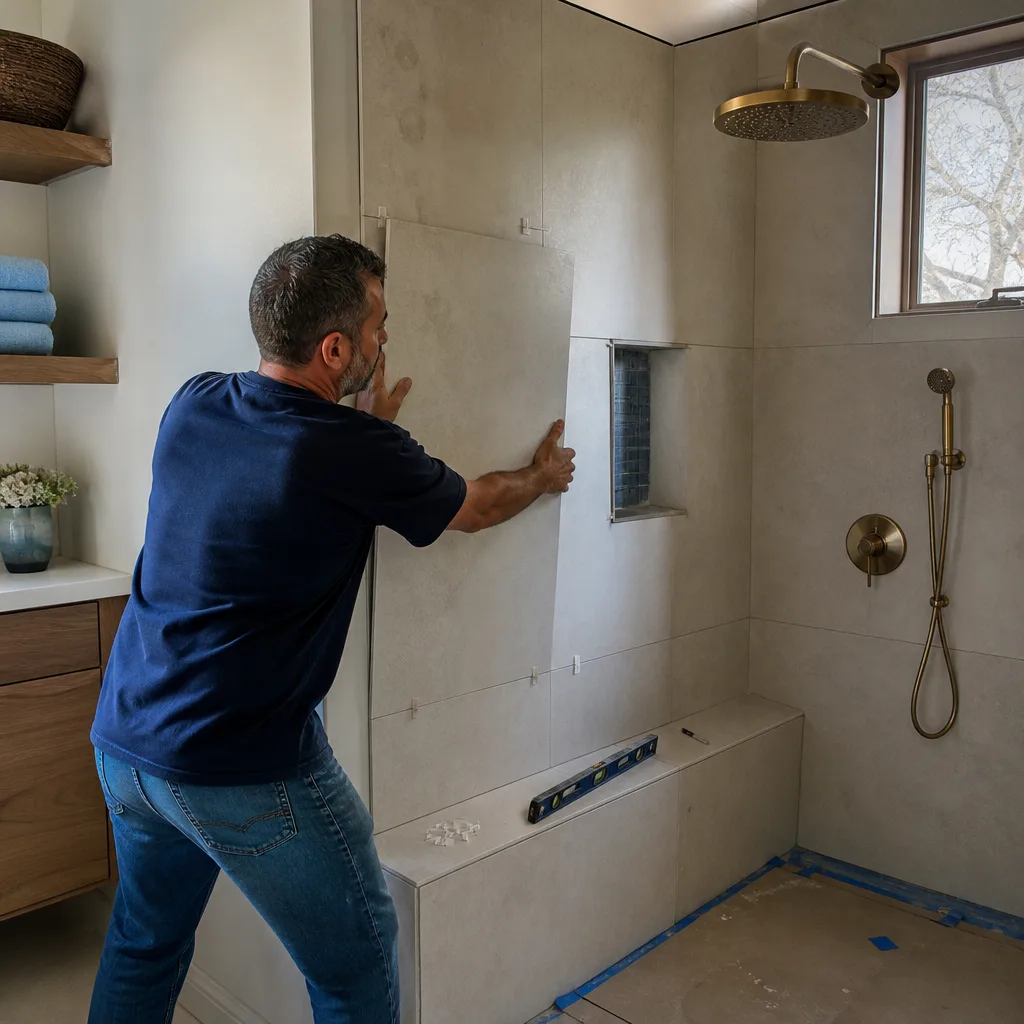
Sterling’s home addition and ADU line covers a broad range of prefabricated and panelized builds, from compact 400-square-foot studios to full-width second-story additions. The compatibility question that matters most isn’t the model name stamped on the original permit; it’s the wall panel thickness, the roof pitch, and the floor system Sterling used on your spec. We regularly see 2×4 exterior walls where Ventura’s current energy code now pushes 2×6 or 2×4 with continuous insulation. That half-inch matters when you’re matching an old addition to a new one.
For Sterling specifically, the OEM route means ordering direct through their dealer network and waiting on a factory schedule that doesn’t care about your tenant’s move-in date. A quality aftermarket equivalent often gets you the same load rating and better local availability, but it has to match the existing floor height and roof line exactly, or you’ll spend more on transitions than you saved on materials. We carry name-brand structural components from manufacturers like KraftMaid for cabinetry and Cambria or Silestone for surfaces when the addition includes a kitchen or bath, but the framing and sheathing are always spec’d to Ventura’s coastal wind and moisture exposure zone, not a generic California standard. If you have the original Sterling drawings, great. If you don’t, we pull the county permit history before we quote anything.
Styles & brands we work with
- Kitchen remodeling
- Bathroom remodeling
- Home additions & ADU
- Roofing
- Windows & doors
- Driveway & pavers
- Fence
Signs Your Sterling Home Additions & ADU Is Failing
- Doors and windows that stick or won’t latch cleanly. This usually means the addition has settled unevenly, a sign the original footing wasn’t sized for Ventura’s expansive soils, which swell and shrink with every wet winter and dry summer.
- Drywall cracks that keep coming back after patching. Recurring cracks at the corners of windows and doors point to shear movement, often because the original shear paneling or hold-down hardware on the Sterling frame wasn’t installed to current code.
- A musty smell that gets worse after rain. Ventura gets most of its rain in a few intense storms each winter. If the addition’s flashing or weep screed was flashed wrong against the main house, water finds its way in and mold follows.
- Rooms that run 10 degrees hotter or colder than the rest of the house. That’s a dead giveaway for underinsulated walls or a roof-to-wall connection that was never air-sealed. We see it constantly in older Sterling additions with batt insulation that’s slumped or missing at the top plate.
- Floors that bounce or feel spongy underfoot. A bouncy floor means the joists were undersized or the subfloor is compromised by moisture. In an ADU with a kitchen, that spongy feel can also signal a slow plumbing leak that’s been eating the framing for years.
See the difference
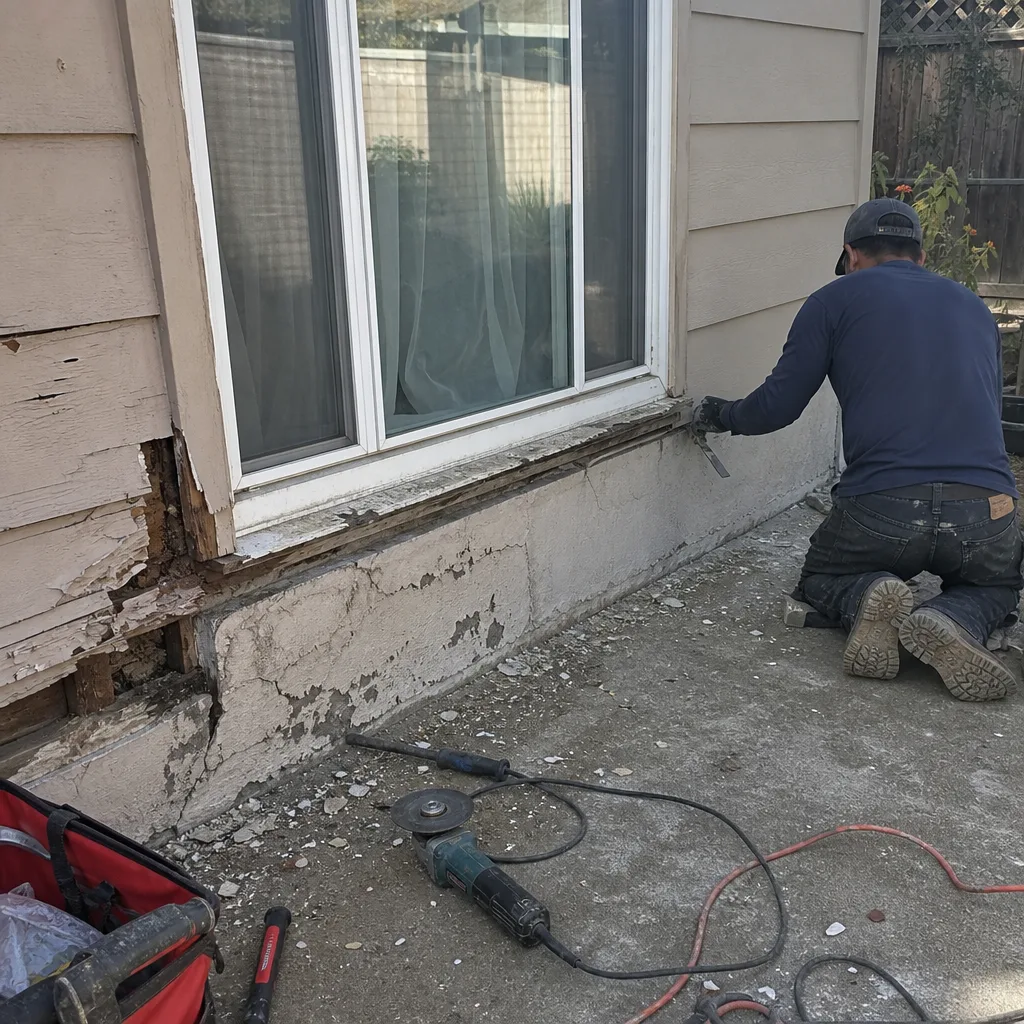 Before
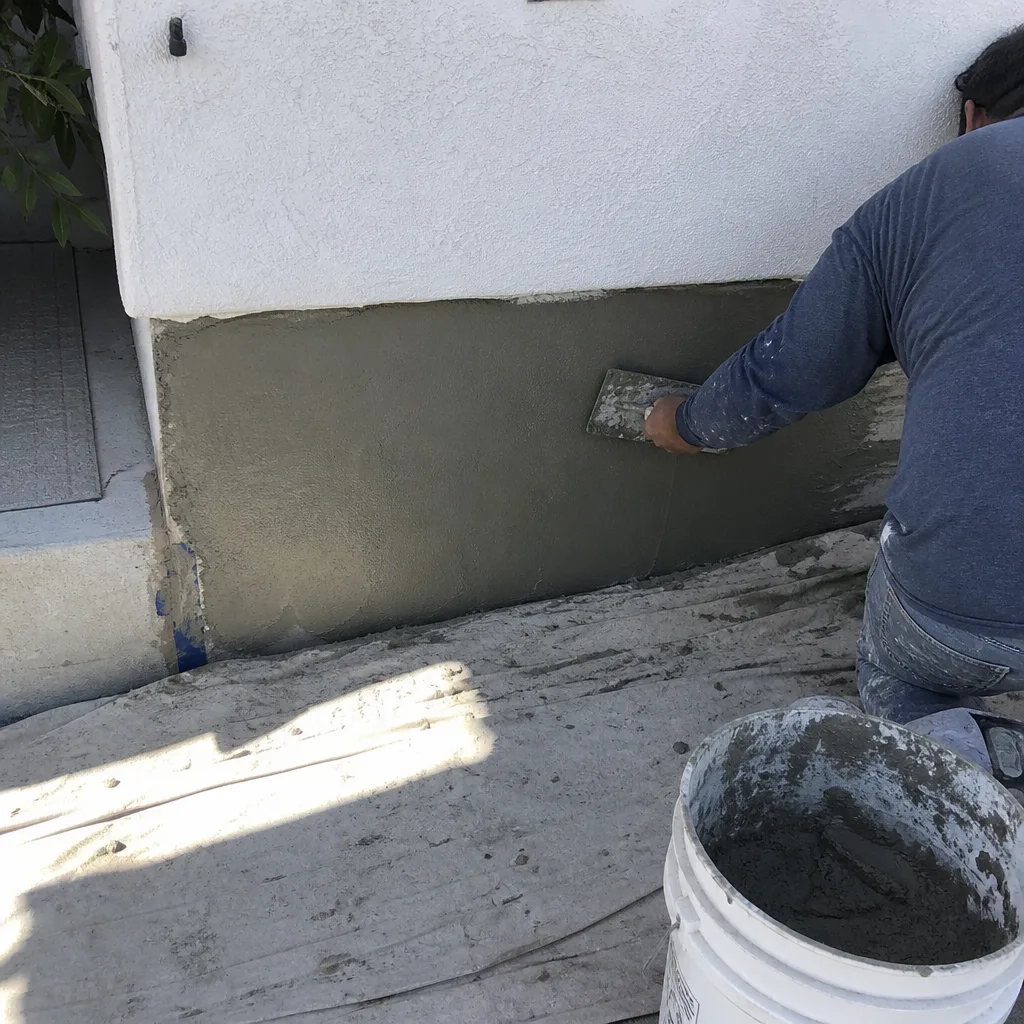 After
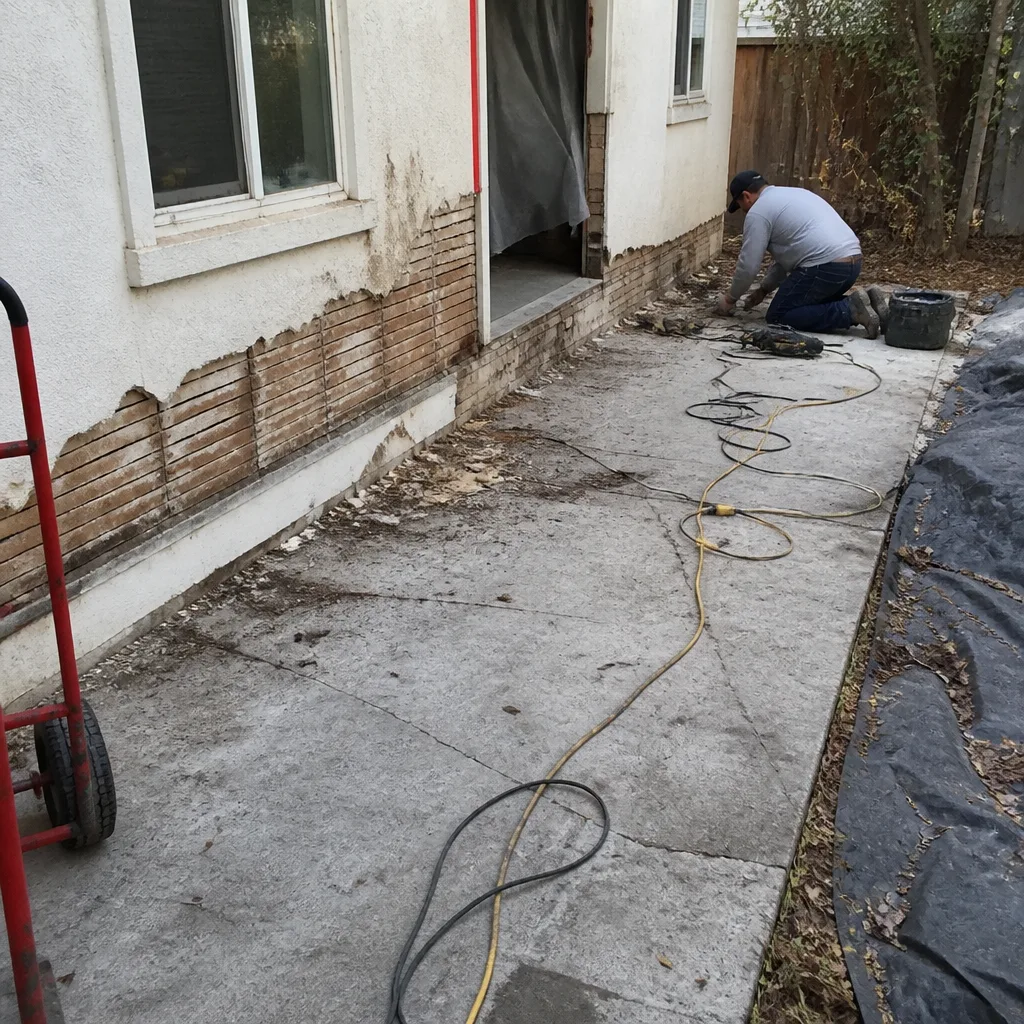 Before
 After
 Before
 After
Replacement Cost & What’s Included
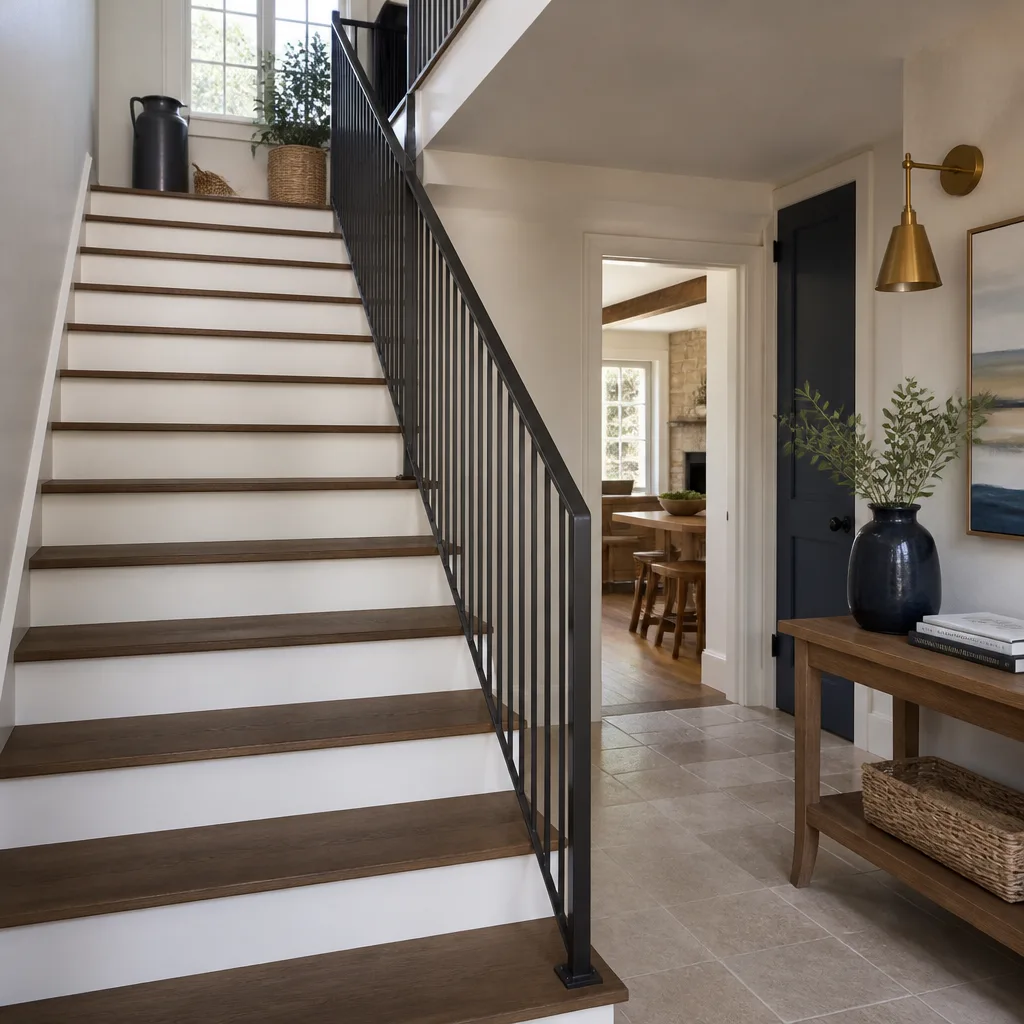
In Ventura, a full home addition or ADU replacement runs $45,000 to $130,000. That’s the range we quote most often, and here’s what moves the number: the condition of the existing foundation, whether we’re tying into the main house’s plumbing and electrical panel or running new service, and the finish level you choose. A basic studio ADU with a small bath and kitchenette sits at the lower end. A full second-story addition with a new bath, custom stairs, and structural upgrades to carry the load sits at the top.
Every quote from Sawyer Remodel Ventura includes the written price before any work starts. That number covers demolition of the failed structure, re-framing to current code, roofing, rough plumbing and electrical, drywall, painting, and the finish surfaces you select. You’ll see it all line by line. The Done Right Promise applies here too: if something in the new addition isn’t done right, we make it right within the first year. No change orders, no surprises at the invoice. The number you approve is the number you pay.
We’re an independent service provider, not affiliated with Sterling. That means we’re not tied to a factory schedule or a parts catalog that got discontinued in 2019. We source what fits and we stand behind the install ourselves.
DIY or Call Us?
You can safely check a few things yourself: look for visible gaps where the addition meets the main house, check for moisture staining around windows and baseboards, and note which doors don’t latch. But when it comes to anything structural, a home addition or ADU replacement in Ventura is not a weekend project. You’re dealing with load-bearing walls, roof tie-ins, seismic bracing, and electrical work that requires permits and inspections. Getting a header wrong doesn’t just fail the inspection; it puts the roof over your head at risk. This is the kind of work where the real cost of a mistake shows up years later, usually after the next big rain.
The work says it. We just show up and cut straight. If your Sterling addition or ADU is failing, call (831) 604-3426 for a free assessment. We’ll tell you straight what needs replacing, what can be repaired, and what it’ll cost before you spend a dollar.
FAQs
A properly built addition or ADU should last 50 years or more, but the coastal climate in Ventura shortens the life of flashing, caulking, and untreated wood. Salt air, fog, and winter storms all work against exterior details. The structure itself may be fine while the weatherproofing fails around it.
Yes, often. Foundation settling can be corrected with piers, a bouncy floor can get supplemental framing, and a leaky roof-to-wall connection can be re-flashed. The repair-versus-replace call depends on how far the damage has gone and whether the original framing was sized correctly. Call (831) 604-3426 and we’ll assess it honestly.
Most home additions and ADU replacements in Ventura take 3 to 6 months from permit to final inspection. Smaller garage conversions can run faster, but anything that touches the foundation or the main roofline needs engineering and county sign-off. We’ll give you a schedule in writing before we start, with photo updates throughout.
We keep common structural components, flashing materials, and framing hardware on hand for Ventura jobs, and we can source Sterling-compatible wall panels and roof trusses within days through our local supplier network. Surfaces from Cambria, Silestone, and KraftMaid are available on shorter lead times than factory-direct. Call (831) 604-3426 for an exact quote, estimates are free.
Written by Sawyer Remodel Ventura, Sawyer Remodel Ventura at Sawyer Remodel Ventura, serving Ventura and nearby areas.