

Free written scope consultation - allowances, timeline, and change-order rules on paper before a single trade is scheduled
IKO Home Additions & ADU: The Ventura Owner’s Guide
IKO home additions and ADU construction in Ventura typically runs $45,000 to $130,000 for a full addition, and $90,000 to $220,000 for a detached ADU. We install and build these weekly, and most projects move from first measurement to permit submission within three to four weeks. If you own a Ventura home with an IKO roof system already in place, the addition needs to tie into that roofing correctly or you’ll be chasing leaks by the first rain.
The way most owners discover a problem isn’t subtle. You notice daylight where the addition roofline meets the existing IKO shingles. Or the city flags the tie-in because the flashing detail doesn’t match the manufacturer’s spec. Or, in the worst cases, you find water staining on the new drywall after the first winter storm rolls through Ventura. The part that actually fails isn’t a single component. It’s the connection detail where new framing meets old roof, and where an ADU’s roofline drains onto an IKO surface that was never designed for that volume of water.
Which IKO Models This Applies To
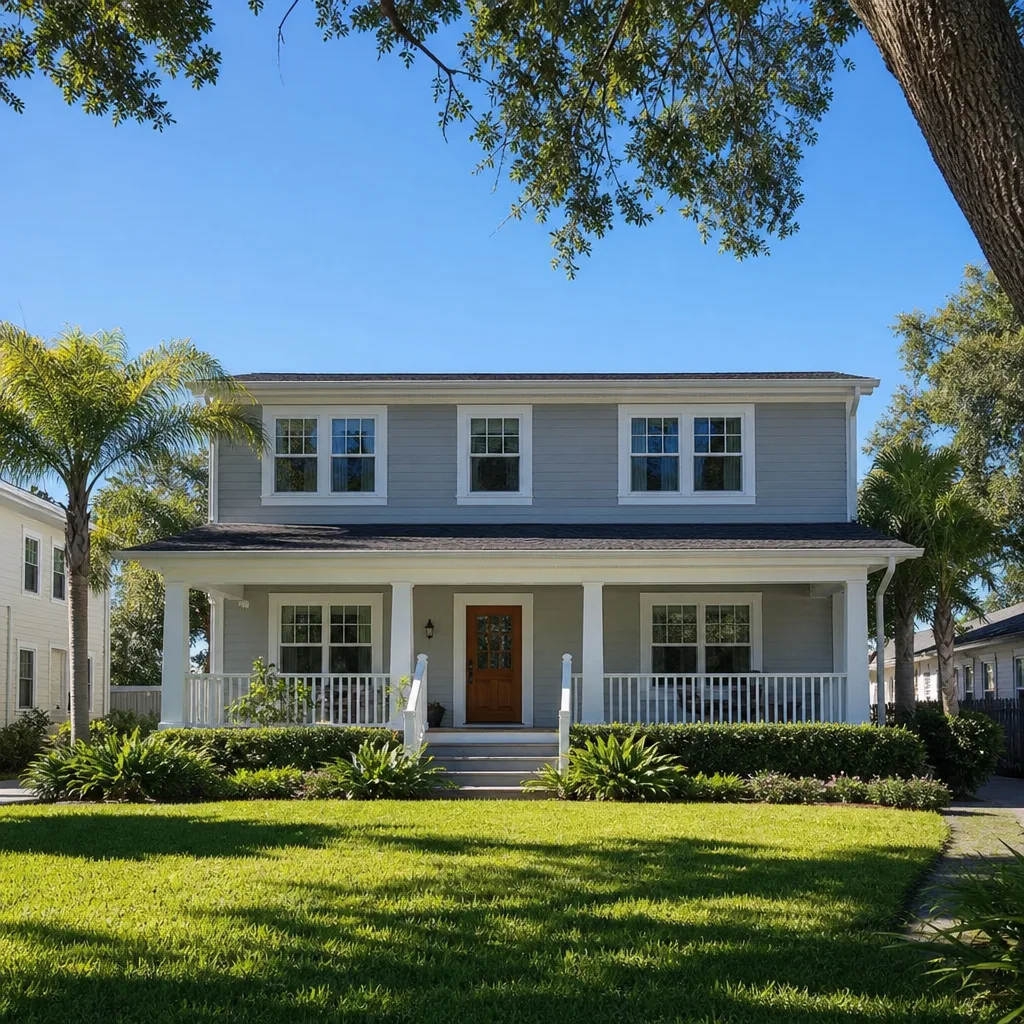
IKO makes a broad line of asphalt shingles, and the model on your roof dictates how we detail the addition. The three we see most often in Ventura are the Cambridge architectural series, the Dynasty performance line, and the Nordic high-definition shingle. Each has a different exposure, thickness, and wind rating, which changes how the new roofline step-flashes into the old one.
Here’s the compatibility gotcha most contractors miss: IKO Cambridge and IKO Dynasty are both architectural shingles, but their sealant strips sit at different heights. If your addition ties into the existing roof with a standard step-flashing detail cut for the wrong shingle profile, the seal won’t bind and wind-driven rain gets under the shingle. A quality aftermarket universal flashing works if the installer knows the profile height. But for a Ventura home within six miles of the coast, we recommend OEM IKO flashing and hip-and-ridge caps on any new addition. Salt air and the marine layer are harder on sealants than the inland heat, and IKO’s own components are matched to their shingle chemistry.
To identify your model, check the roof itself before you call: look for a nail-line printed on the shingle’s face, which is an IKO trademark on Cambridge and Dynasty lines. Or check the permit paperwork from the last reroof, which usually lists the model. If neither works, pull a shingle tab and look at the backing for a plant code. We can match it.
Sawyer Remodel Ventura is an independent contractor. We’re not affiliated with IKO, and we don’t pretend to be. We buy direct from IKO-approved suppliers in Southern California, which means the warranty on materials is intact when we’re done.
Styles & brands we work with
- Kitchen remodeling
- Bathroom remodeling
- Home additions & ADU
- Roofing
- Windows & doors
- Driveway & pavers
- Fence
Signs Your IKO Home Additions & ADU Is Failing
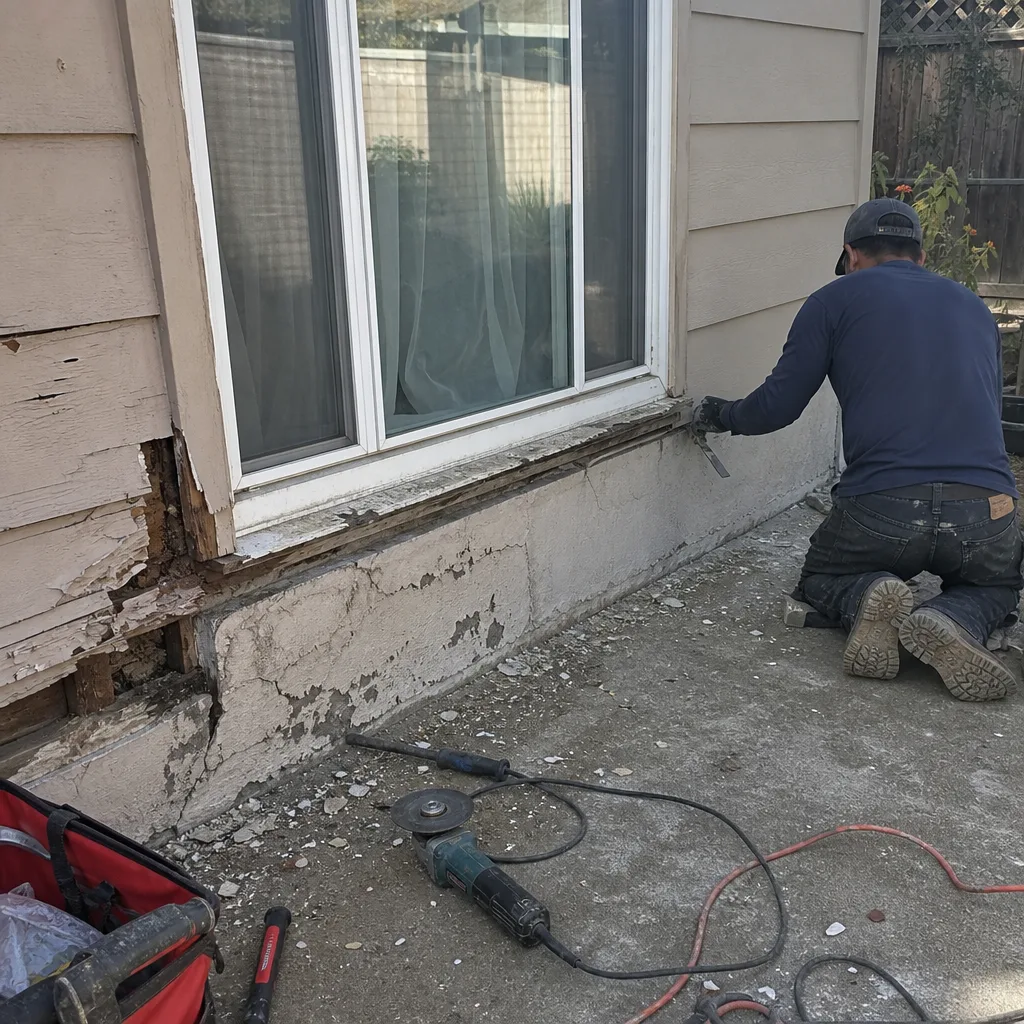
- Water staining at the addition-to-roof junction. This usually means the step flashing is too short or the wrong profile for the IKO shingle. By the time you see the stain inside, the sheathing underneath has been wet for weeks.
- Shingle tabs lifting along the new roofline. The sealant strip hasn’t bonded because the new shingles were installed over dust, or the underlayment was exposed too long before the shingles went down. Once tabs lift, wind-driven rain gets under the whole course.
- Granules collecting in the gutter below the tie-in. IKO shingles shed granules when they’re abraded, and a poorly detailed addition causes constant rubbing where the old roof meets the new. Heavy granule loss means the shingle is losing its UV armor.
- Daylight visible from inside the attic at the ridge or hip. This is an installation defect, plain and simple. The ridge cap or hip-and-ridge shingle is either missing nails or was installed without the proper underlayment overlap.
- A sag in the new roofline or visible dip at the dormer. That’s structural, not cosmetic. It means the new rafters or the beam they bear on is undersized or improperly tied into the existing framing. You don’t wait on this one.
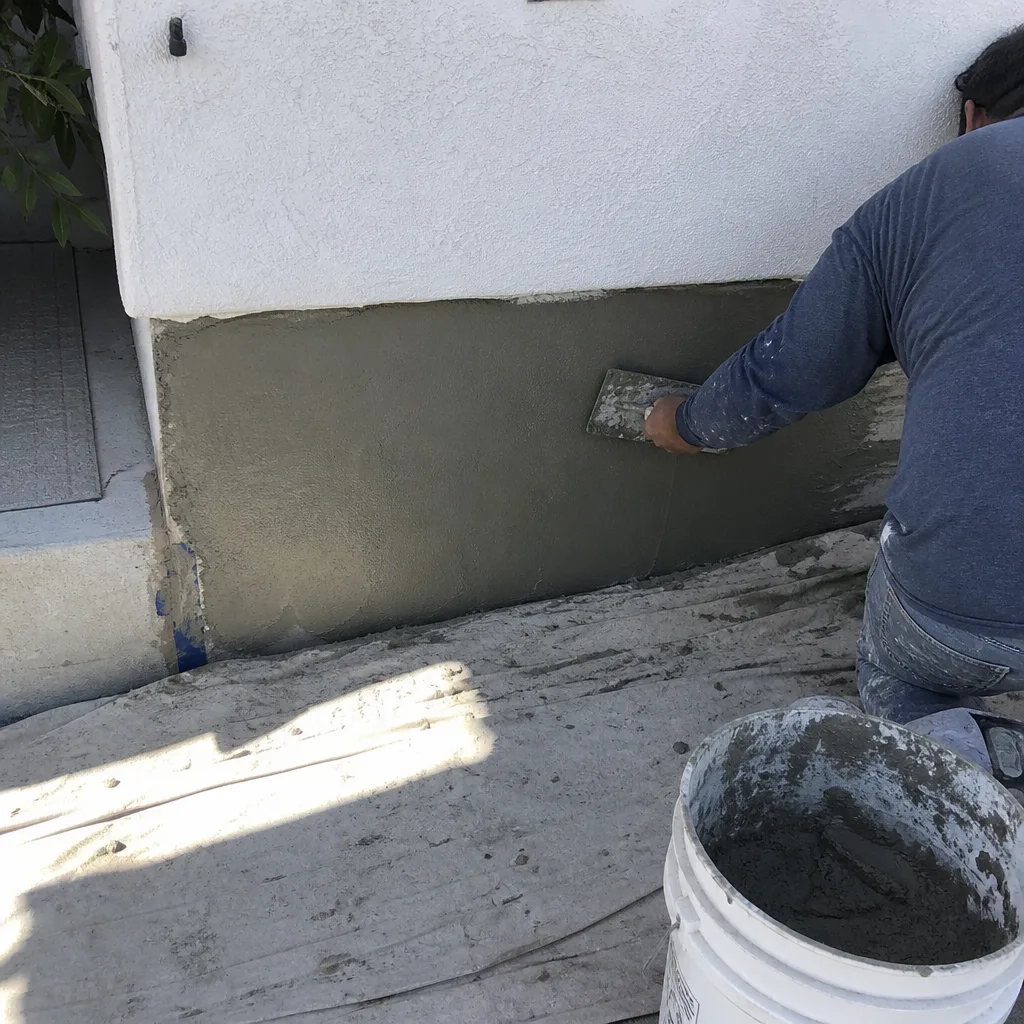
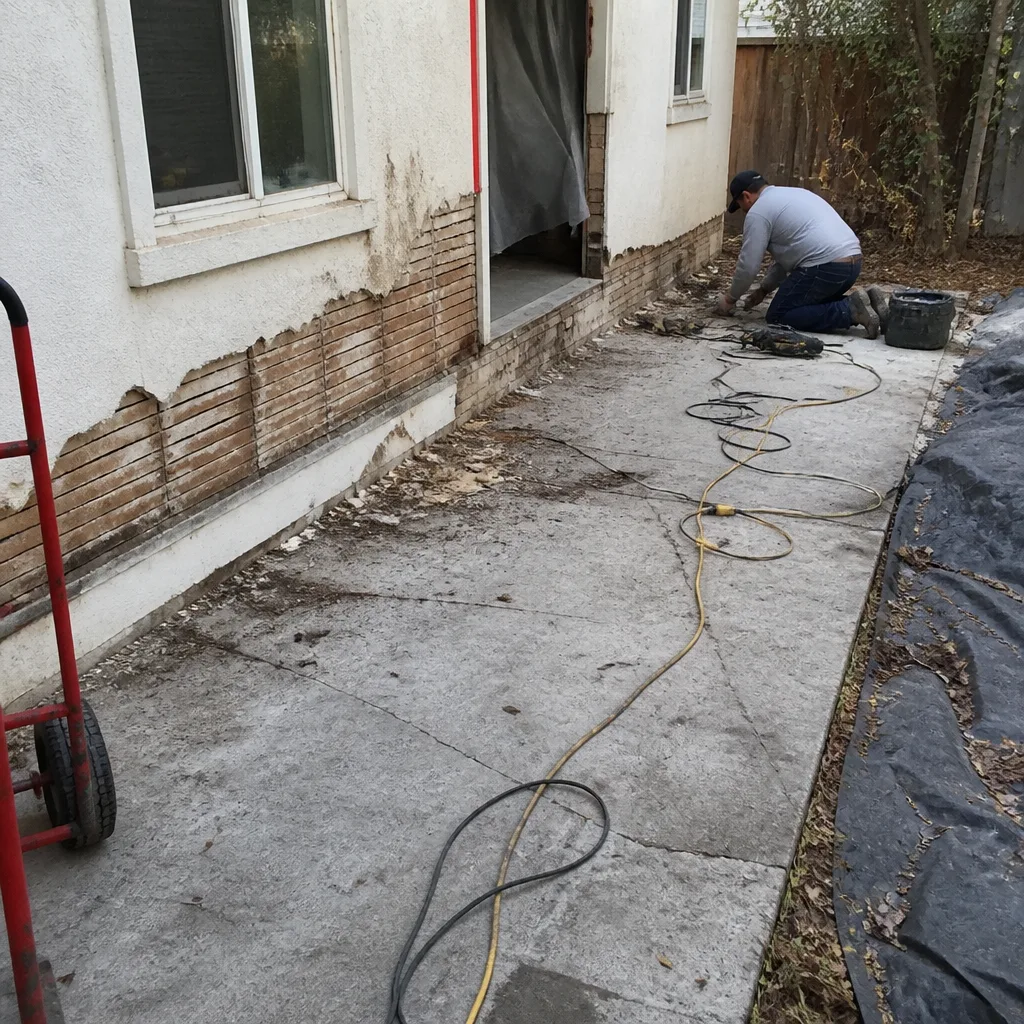
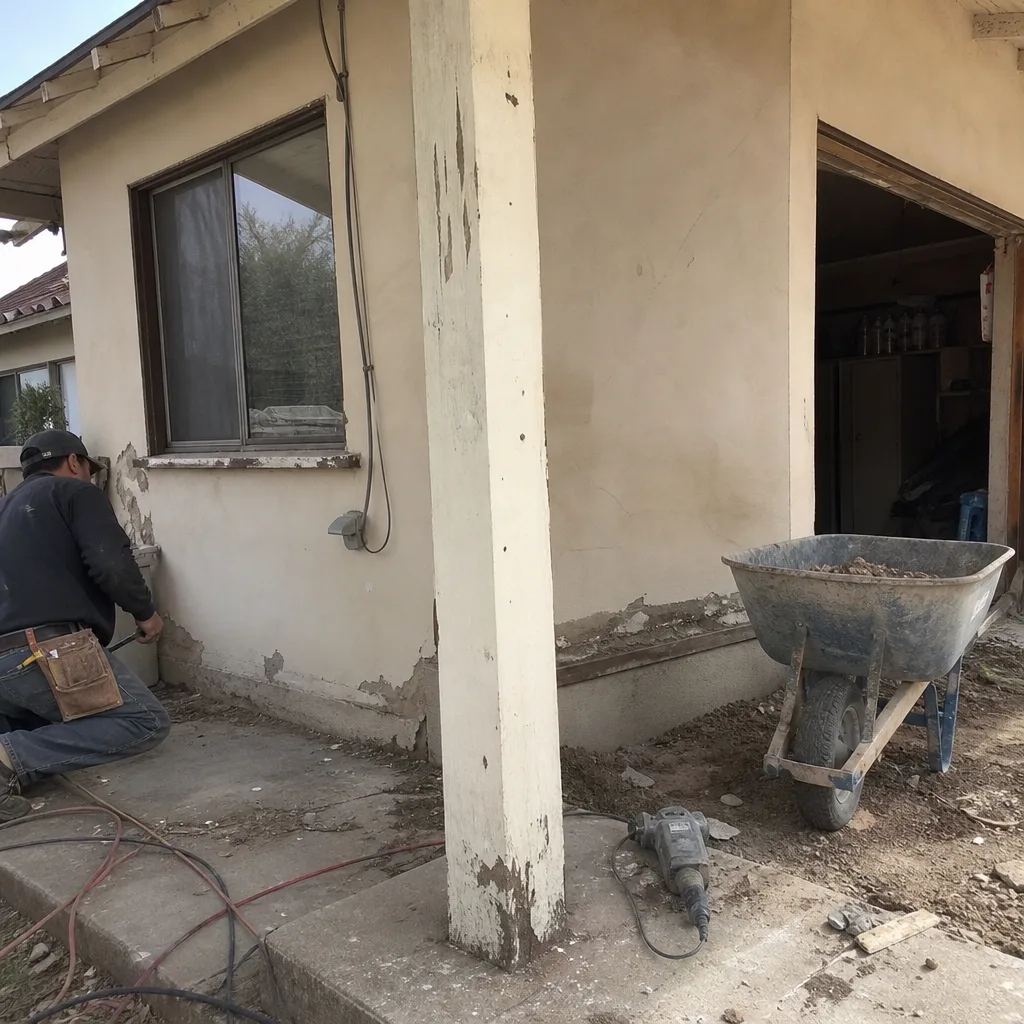
See the difference
 Before
 After
 Before
 After
 Before
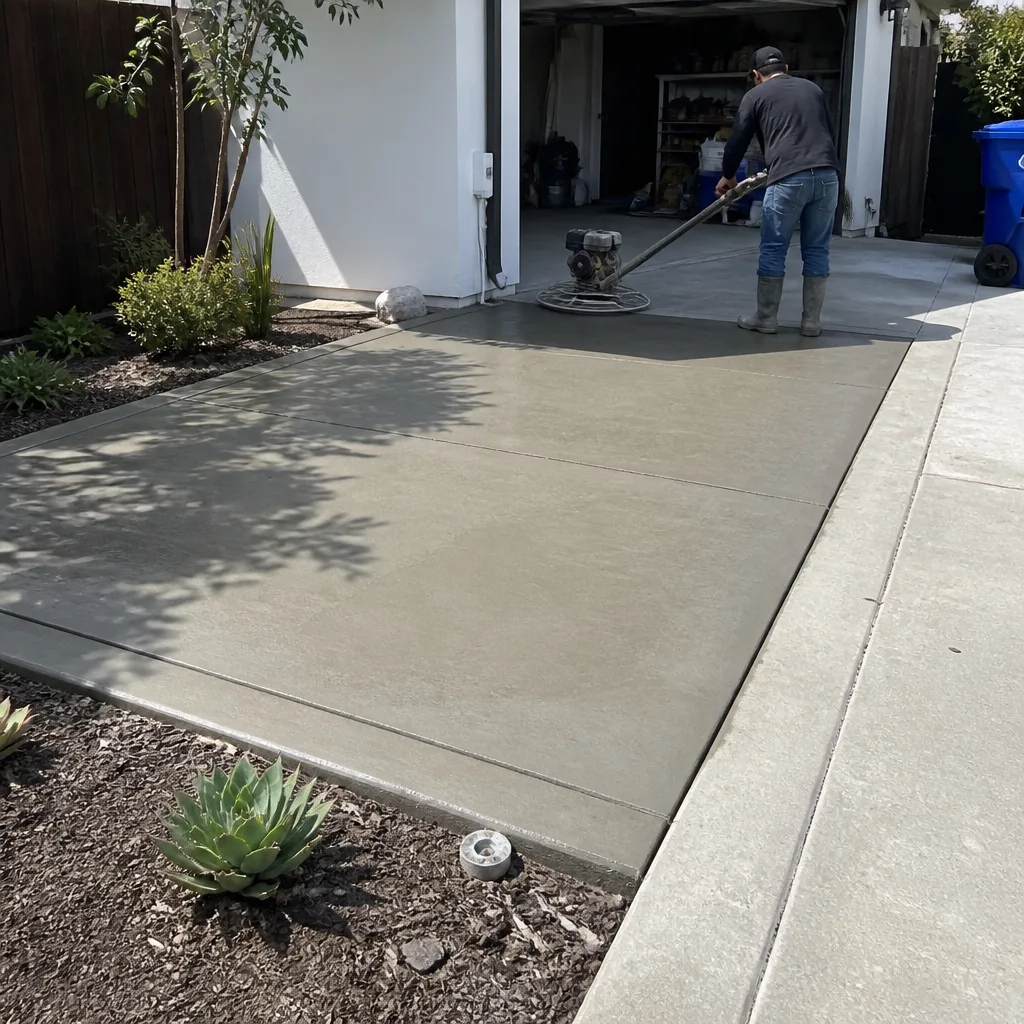 After
Replacement Cost & What’s Included
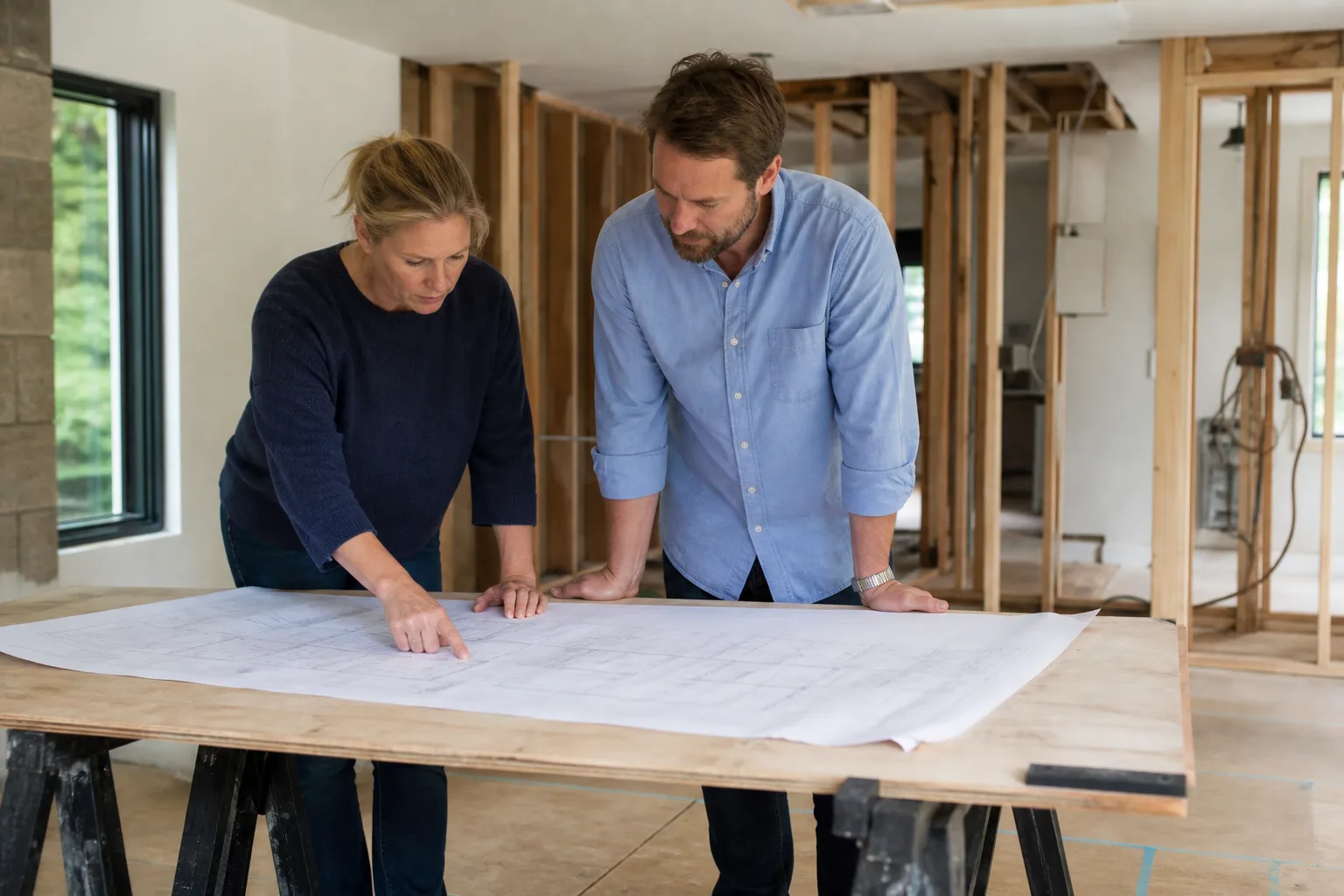
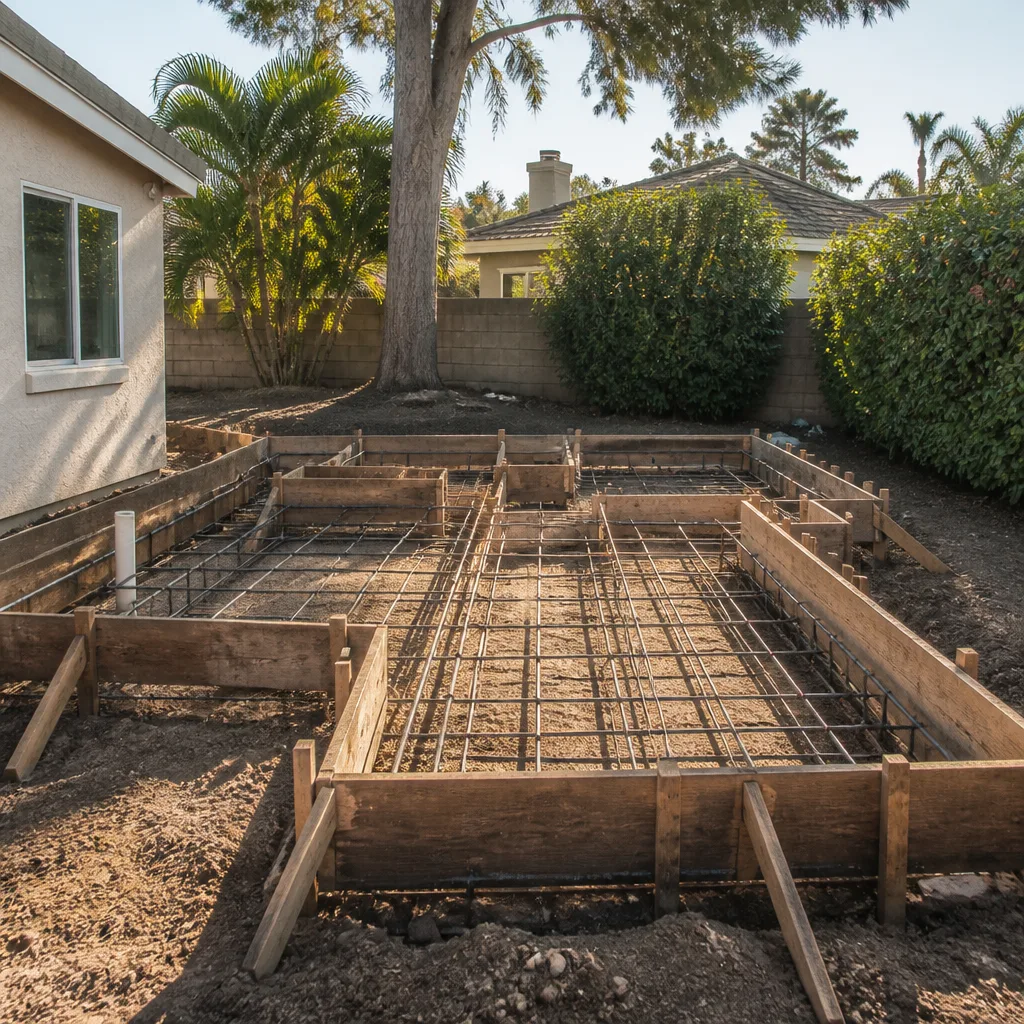
A full home addition in Ventura runs $45,000 to $130,000 depending on square footage, the roofline complexity, and whether the addition needs a new foundation or ties into the existing slab. An ADU runs $90,000 to $220,000, because it usually requires separate utility connections. A garage conversion, which is the most common ADU path in Ventura, falls in the $30,000 to $80,000 range.
What’s in that number matters more than the number itself. Our written price includes the framing, the IKO roofing tie-in with OEM flashing, the underlayment, permits, and the final inspection. We don’t quote framing and then “discover” the flashing needs an upgrade when the city inspector asks for it. You’ll get the price in writing before any work starts, and if the scope changes, you’ll get a written change order with the new number. The work carries our Done Right Promise: if the addition leaks or the tie-in fails within a year, we fix it.
If you already have an addition in place and the IKO tie-in is failing, a re-flash and re-shingle at the junction typically runs $3,500 to $8,000 in Ventura, depending on how much of the old roof has to be peeled back to expose clean sheathing.
DIY or Call Us?
Here’s the honest split. You can safely check your IKO roof’s nail-line print, look for lifted tabs after a wind event, and clear gutters below the tie-in. That’s your job as a homeowner, and it takes ten minutes with a ladder. You should not attempt to re-flash a roof tie-in yourself. Roof work on a two-story Ventura home is a fall risk, and the flashing detail that keeps an IKO roof watertight isn’t forgiving. One wrong bend in the step flashing and you’ll have a leak you can’t see until the drywall softens.
We’re on roofs in Ventura every week, and the difference between a tie-in that lasts twenty years and one that leaks in two comes down to how the flashing is bent and how the shingle is nailed. If you’re seeing any of the signs above, call (831) 604-3426. We’ll come look at it.
FAQs
A properly flashed IKO tie-in lasts 20 to 25 years in Ventura’s climate, matching the lifespan of the shingle itself. The marine layer accelerates sealant wear near the coast, so homes west of the 101 may need a sealant refresh at the 15-year mark even if the shingles are fine. Call (831) 604-3426 and we’ll tell you what we see from the ladder.
Yes, in most cases the tie-in can be re-flashed and re-shingled without rebuilding the addition. The work involves peeling back the existing course, inspecting the sheathing for rot, and installing new IKO-matched flashing. If the sheathing is soft, that section gets replaced first, and we’ll show you photos before and after.
Most IKO tie-in replacements take one to two days on site. A full addition or ADU build runs three to five months depending on size and permit review timelines with the City of Ventura. You’ll get a schedule in writing with your estimate.
We carry IKO Cambridge and Dynasty shingles, IKO hip-and-ridge caps, and matching underlayment on hand for tie-in work across Ventura. For full reroofs or custom color matches, we order from our Southern California supplier, which takes two to three business days. We also work with KraftMaid, Cambria, and Silestone on the interior side of additions, so the same crew handles the whole build.
If your IKO roof tie-in is leaking, or you’re planning an addition or ADU in Ventura and want the roofline done right the first time, call (831) 604-3426. We’ll put the price in writing before anything gets torn off.
Written by Sawyer Remodel Ventura, Sawyer Remodel Ventura at Sawyer Remodel Ventura, serving Ventura and nearby areas.