Free written scope consultation - allowances, timeline, and change-order rules on paper before a single trade is scheduled
Abodu Home Additions & ADU: The Ventura Owner’s Guide
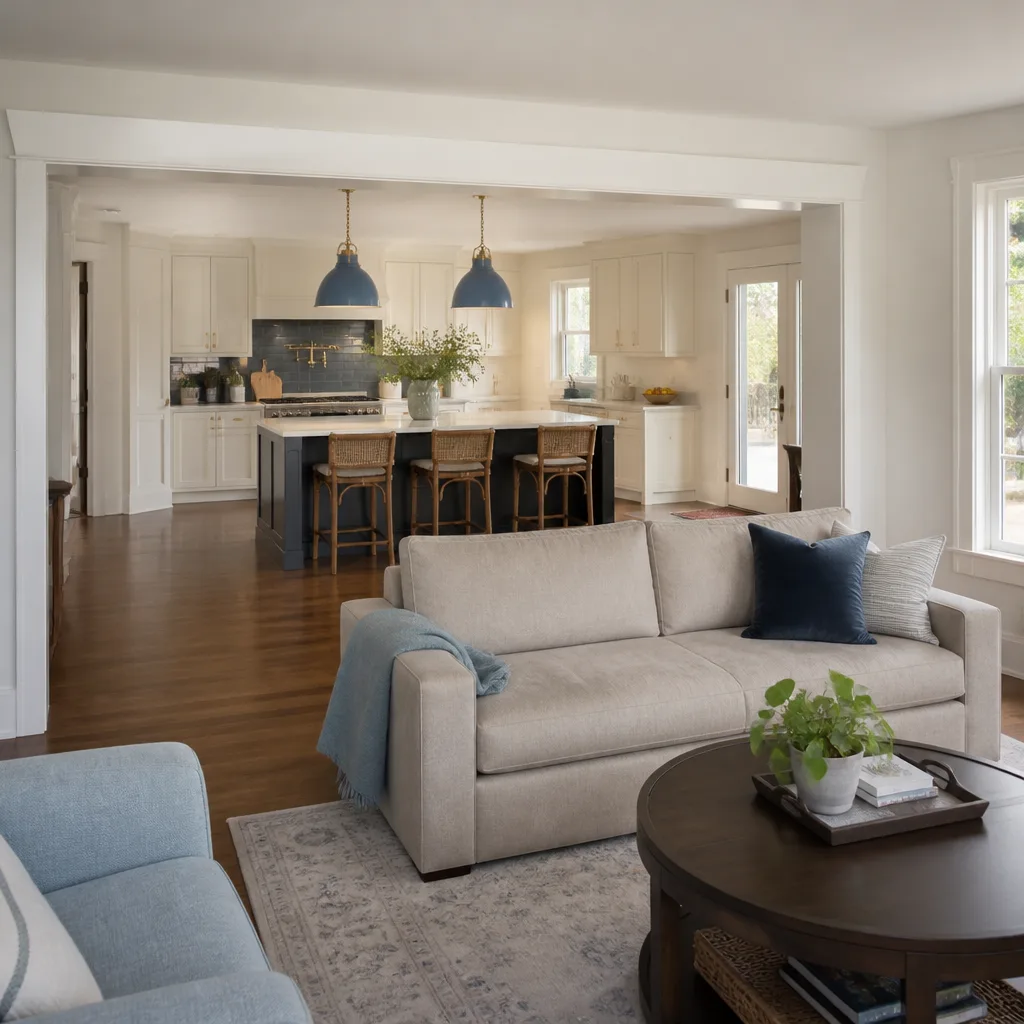
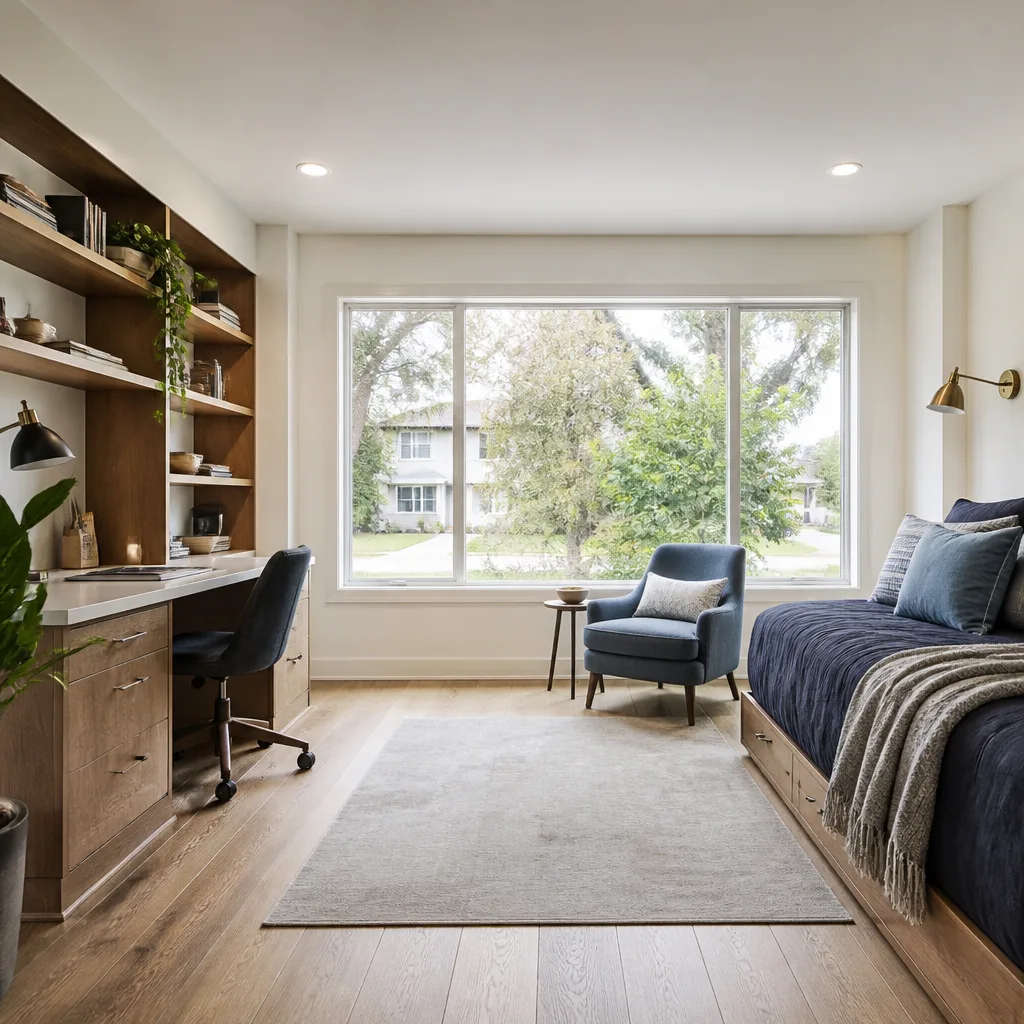
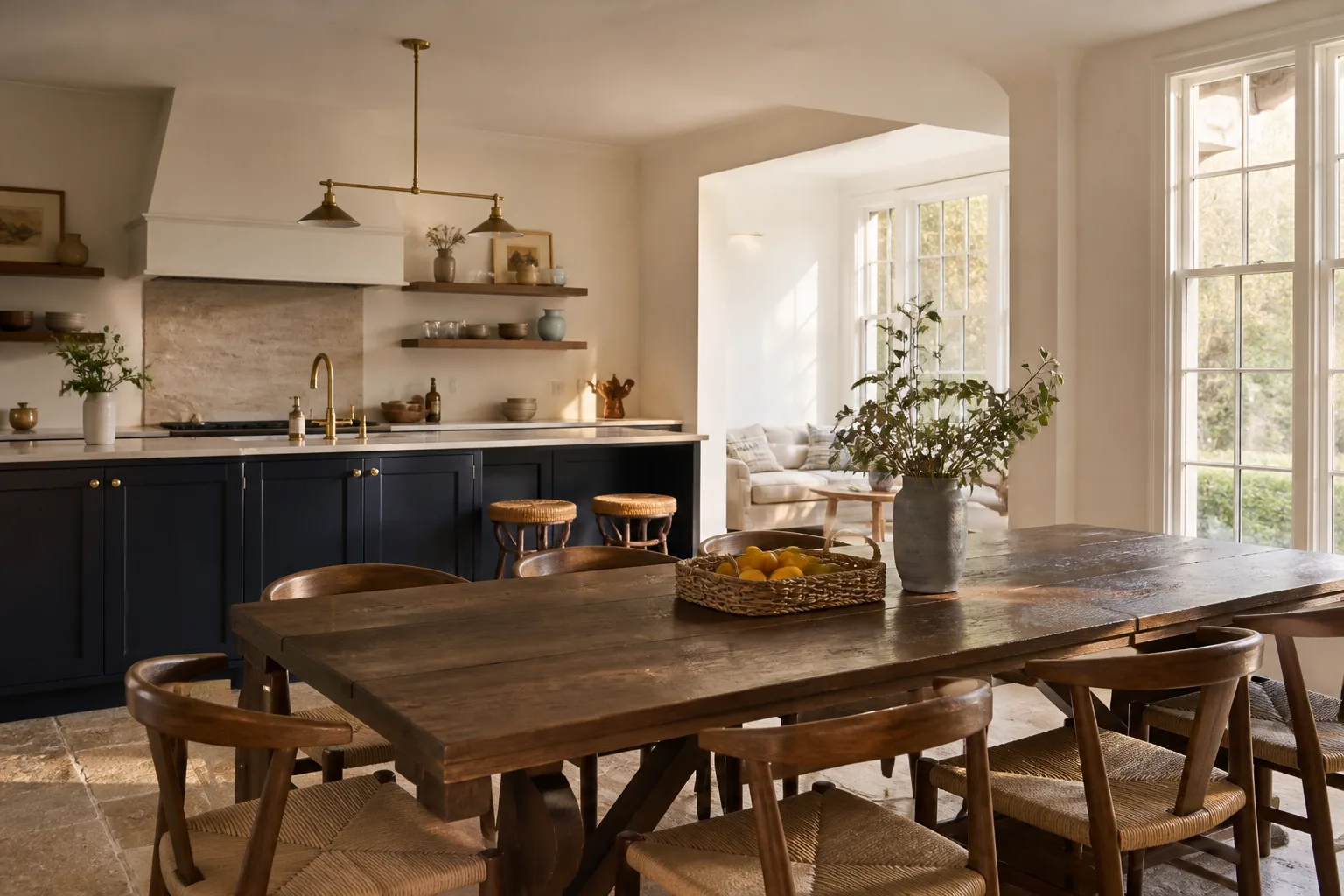
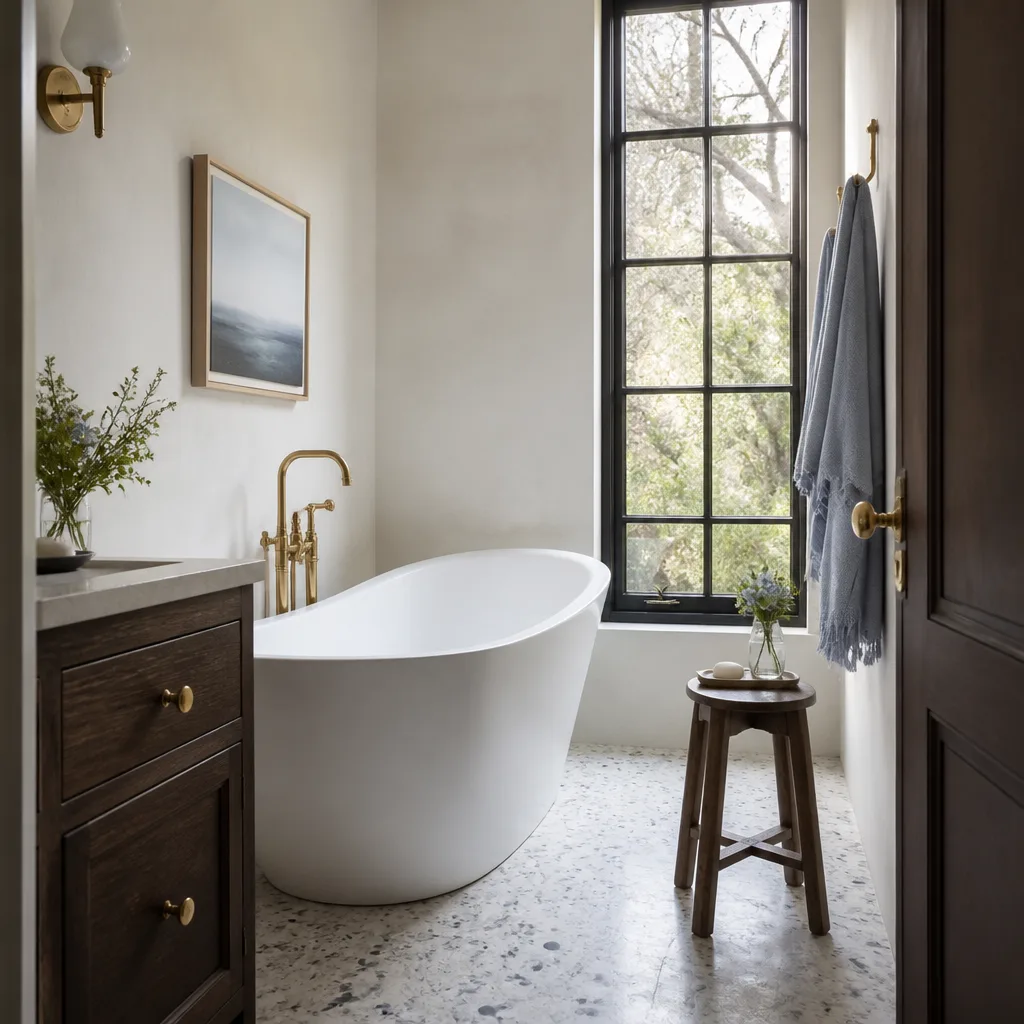
Abodu home additions and ADU projects in Ventura typically run $45,000 – $130,000 installed, and we handle the full sequence: planning, permits, foundation, framing, finish work, and final inspection. Most homeowners contact us when they notice the signs of a rushed original build – drywall seams cracking at the roofline, doors that won’t latch after the first big rain, or a floor that’s started to slope where the addition meets the main house. These aren’t cosmetic issues. They’re structural tells that the original installation didn’t account for Ventura’s soil movement, coastal moisture, and the way a new foundation settles differently than the original slab.
We’re an independent service provider, not affiliated with Abodu. What we know comes from opening walls in Ventura homes for nearly two decades and seeing exactly where factory-built additions and ADUs fall short once they’re bolted to California ground. If you’re priced out of a full rebuild, we also stock and install compatible parts for KraftMaid, Cambria, and Silestone to handle finish work without starting over.
Which Abodu Models This Applies To
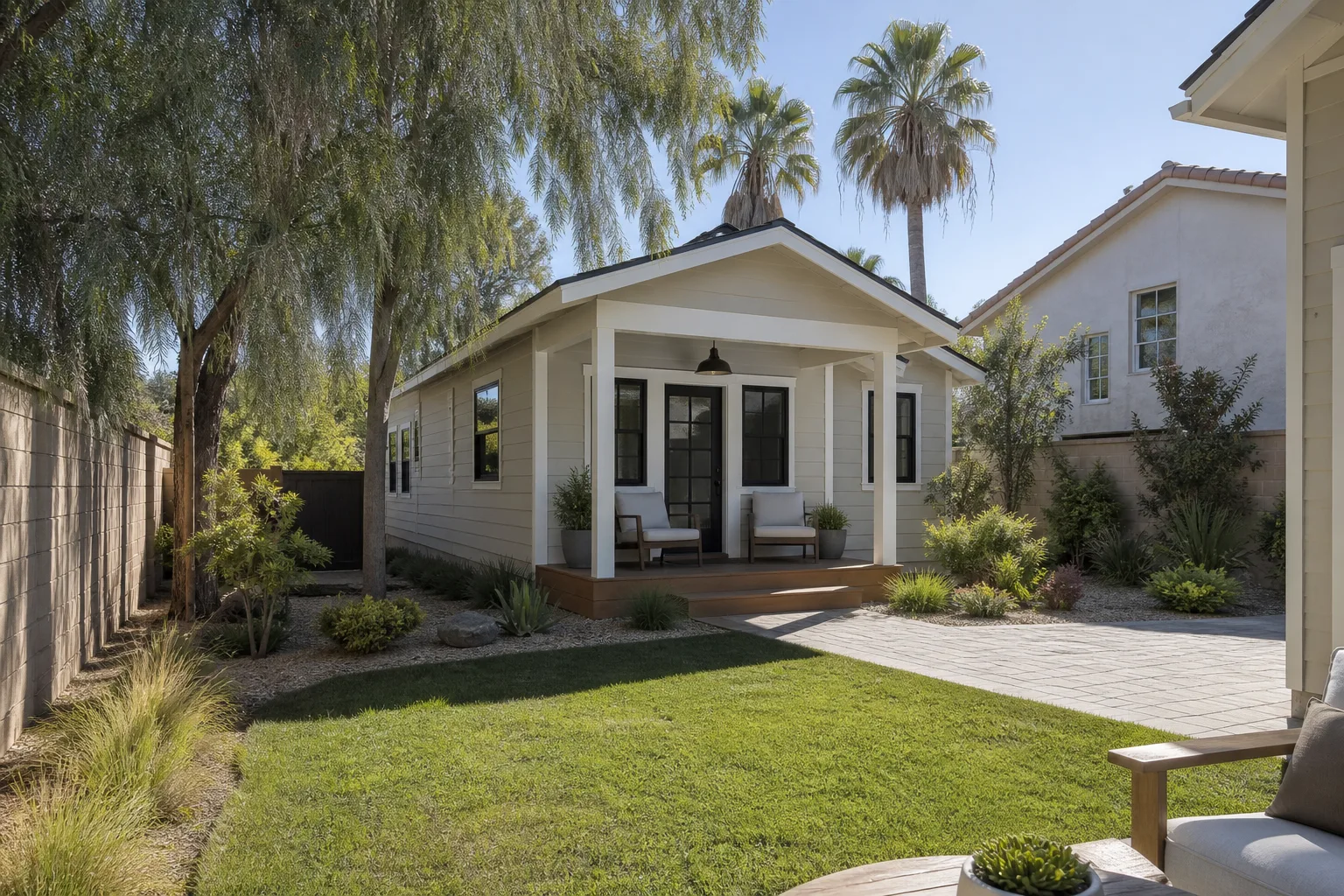
Abodu’s product line breaks into a few core configurations: the studio (roughly 350 sq ft), the one-bedroom (about 500 sq ft), and the two-bedroom series, which runs closer to 750 sq ft and up. Each ships as a modular core with site-built connections: the foundation tie-downs, the roof-to-addition flashing, and the utility transitions from the main house. Those connection points are where every Abodu addition lives or dies in Ventura. The modular core is built to spec in a factory. The connections are built by whoever’s standing on your property that week, and that’s where the failure happens.
To identify what you have, look for the data plate inside the utility closet or the panel box – it lists the production year, the unit model, and the structural tie-down spec. If that plate is gone, measure the exterior wall thickness. Older Abodu units used a 2×4 wall with R-13 insulation; newer ones are 2×6 at R-19 or better. That one measurement decides what replacement windows, trim, and wall patches are compatible. There’s no universal “Abodu part number” for most interior finish work, so we match dimensions and materials, not just the brand name.
Styles & brands we work with
- Kitchen remodeling
- Bathroom remodeling
- Home additions & ADU
- Roofing
- Windows & doors
- Driveway & pavers
- Fence
Signs Your Abodu Home Addition or ADU Is Failing
- Doors that stick or won’t latch after a rainy winter. Ventura’s clay-heavy soil expands when wet and contracts when dry. If the addition’s foundation wasn’t tied to the main slab correctly, the two structures move at different rates. The door is the first clue.
- Cracking at the roof line where the addition meets the original house. This is the most common Abodu-specific failure we see in Midtown and the older Eastside neighborhoods. The factory roof line meets a site-built roofline, and if the flashing wasn’t step-flashed properly with a minimum 4-inch overlap, water gets in at the seam.
- A floor that slopes more than 1/4 inch over 10 feet. Some settling is normal in the first 18 months. More than that means the slab pad or pier system wasn’t sized for the soil type. We check with a laser level, not a guess.
- Drywall screw pops and seam cracks within the first year. Modulars flex during transport and then need a full season to settle. If the drywall was taped before the building had a chance to acclimate to Ventura’s humidity, seams will open up fast.
- Musty air or condensation on the inside of outer walls. Abodu’s vapor barrier works, but only if it wasn’t punctured during the utility hookup. We find skipped vapor barrier repairs behind kitchen cabinets most often in older conversions near the beach side of town.
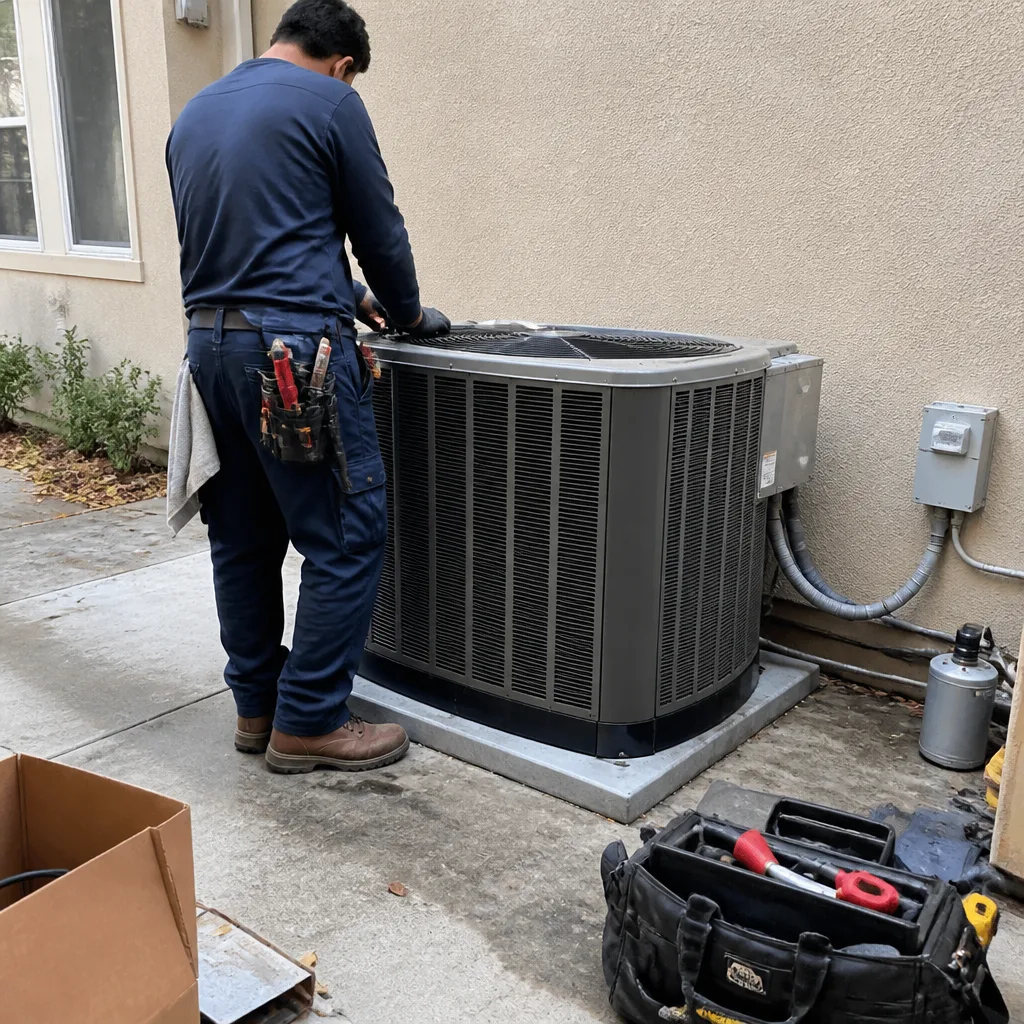
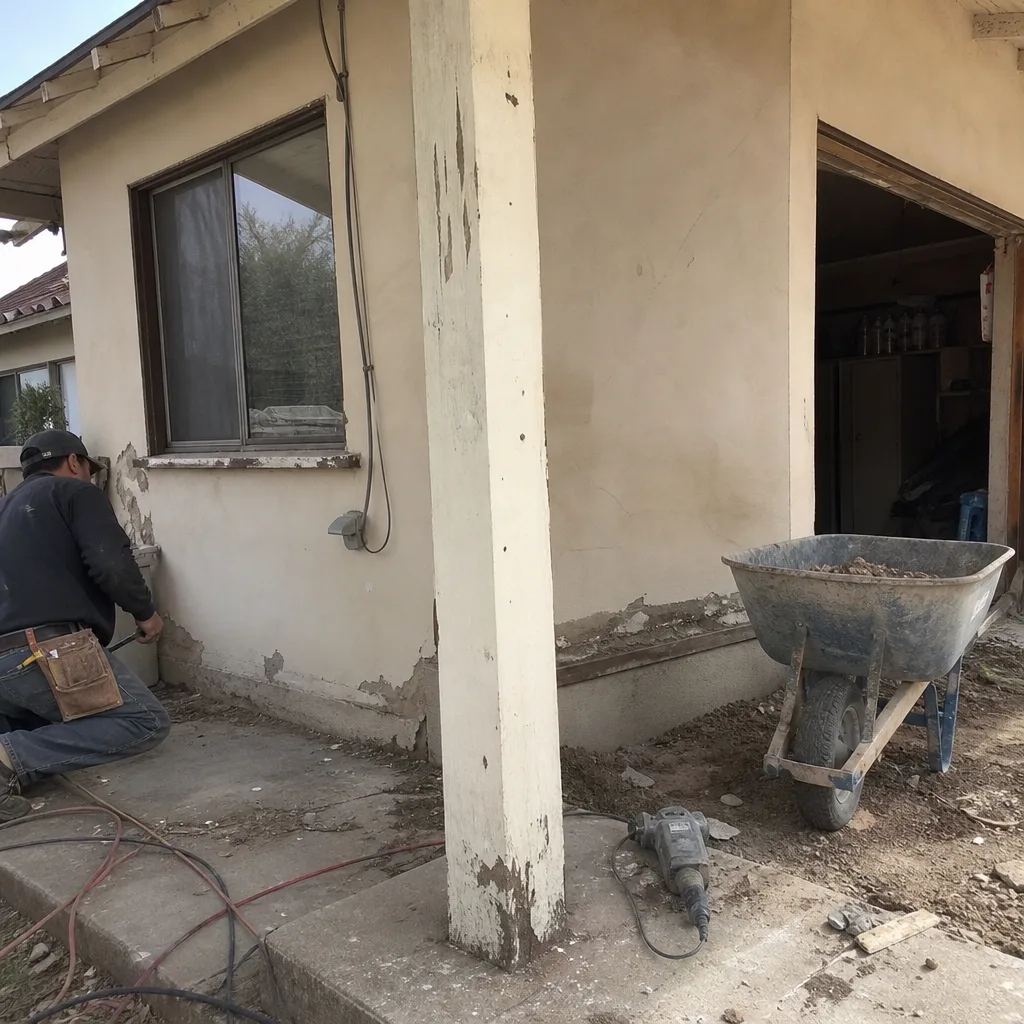
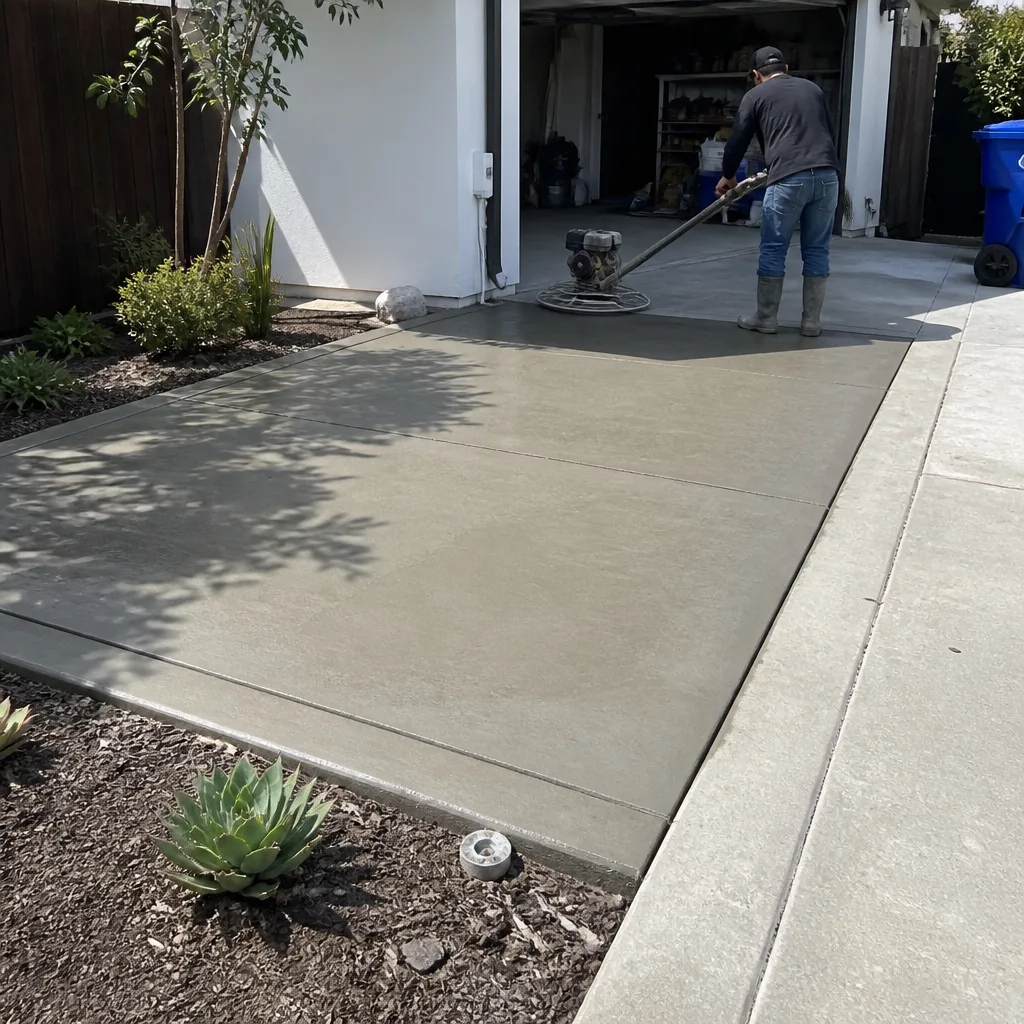
See the difference
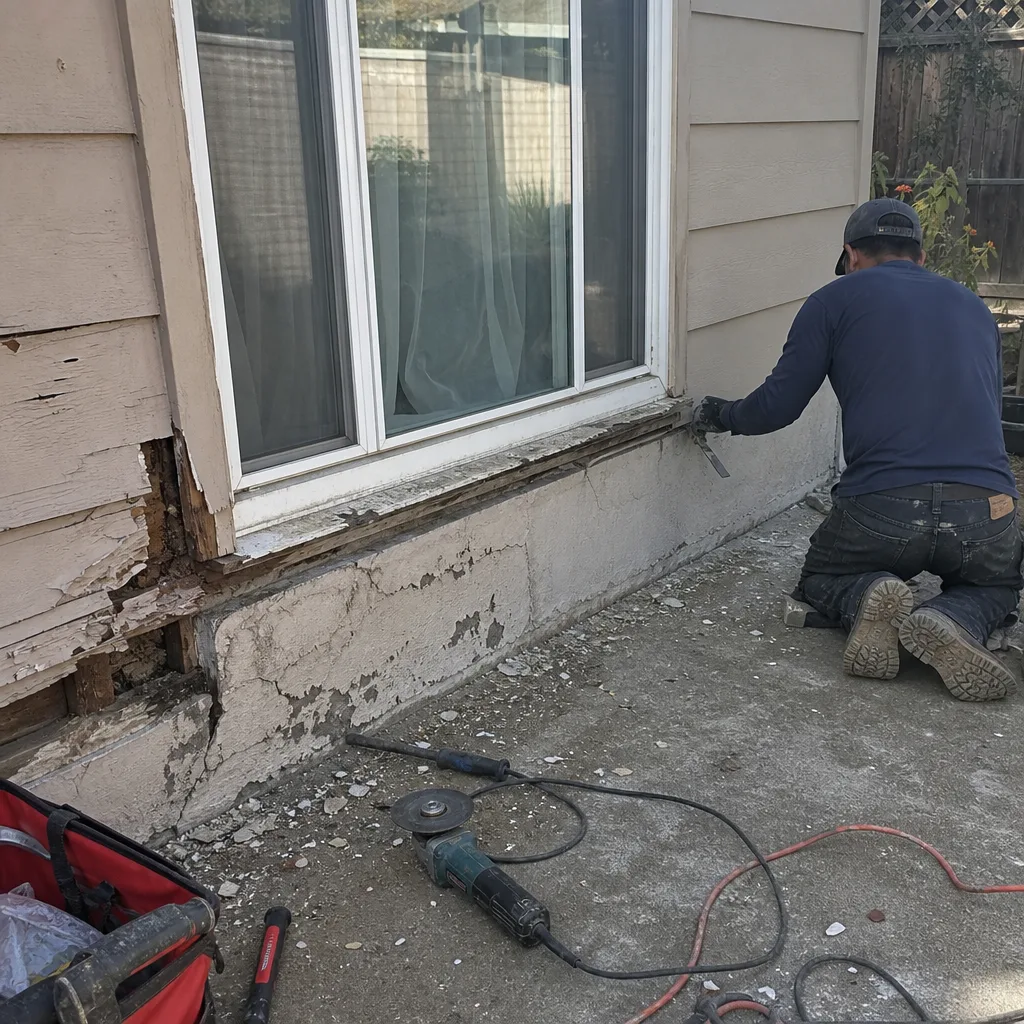 Before
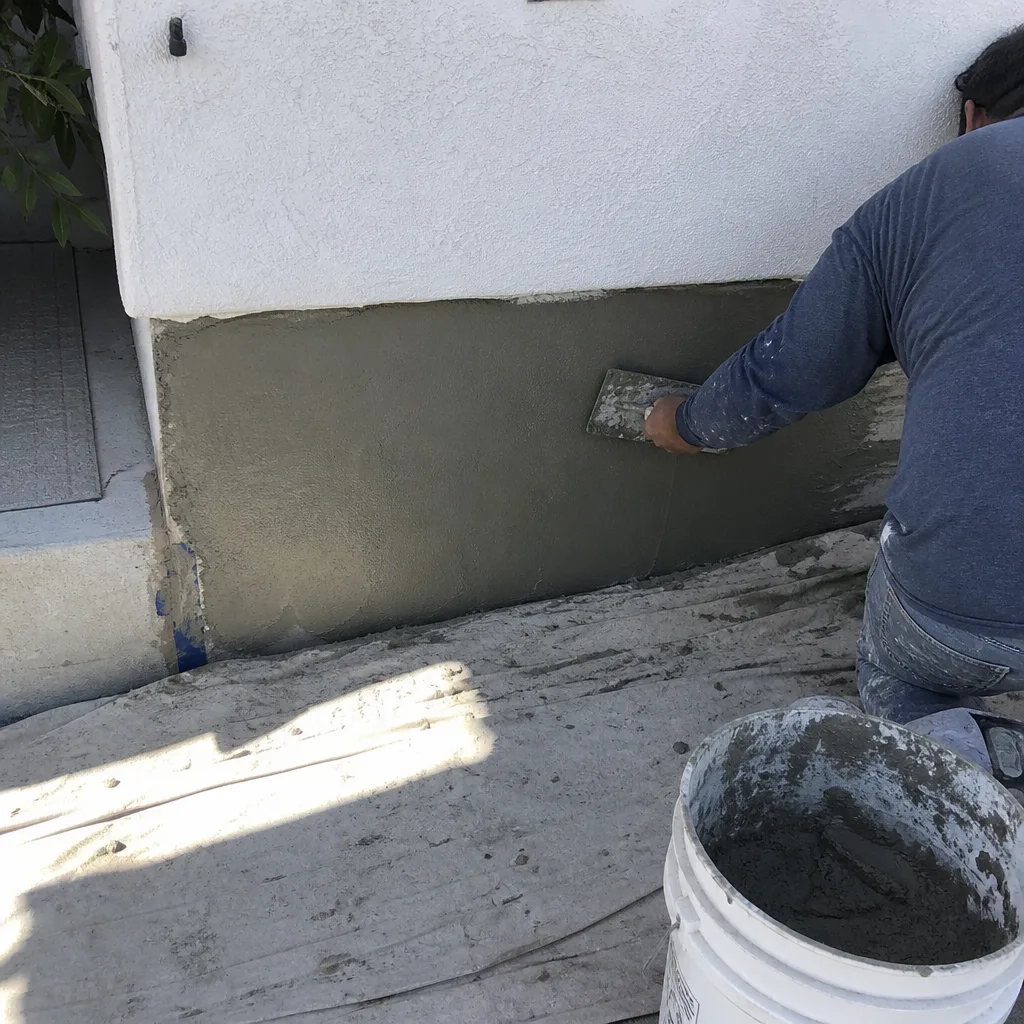 After
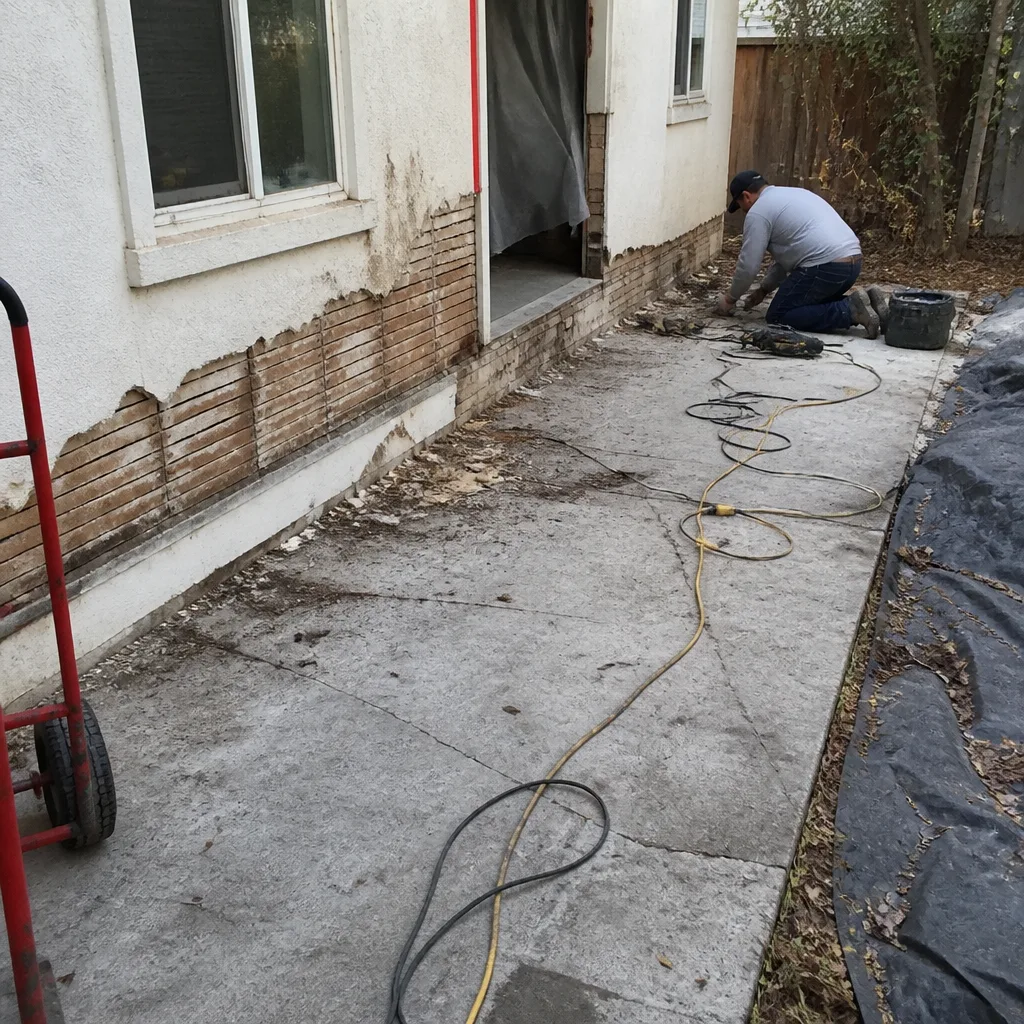 Before
 After
 Before
 After
Replacement Cost & What’s Included
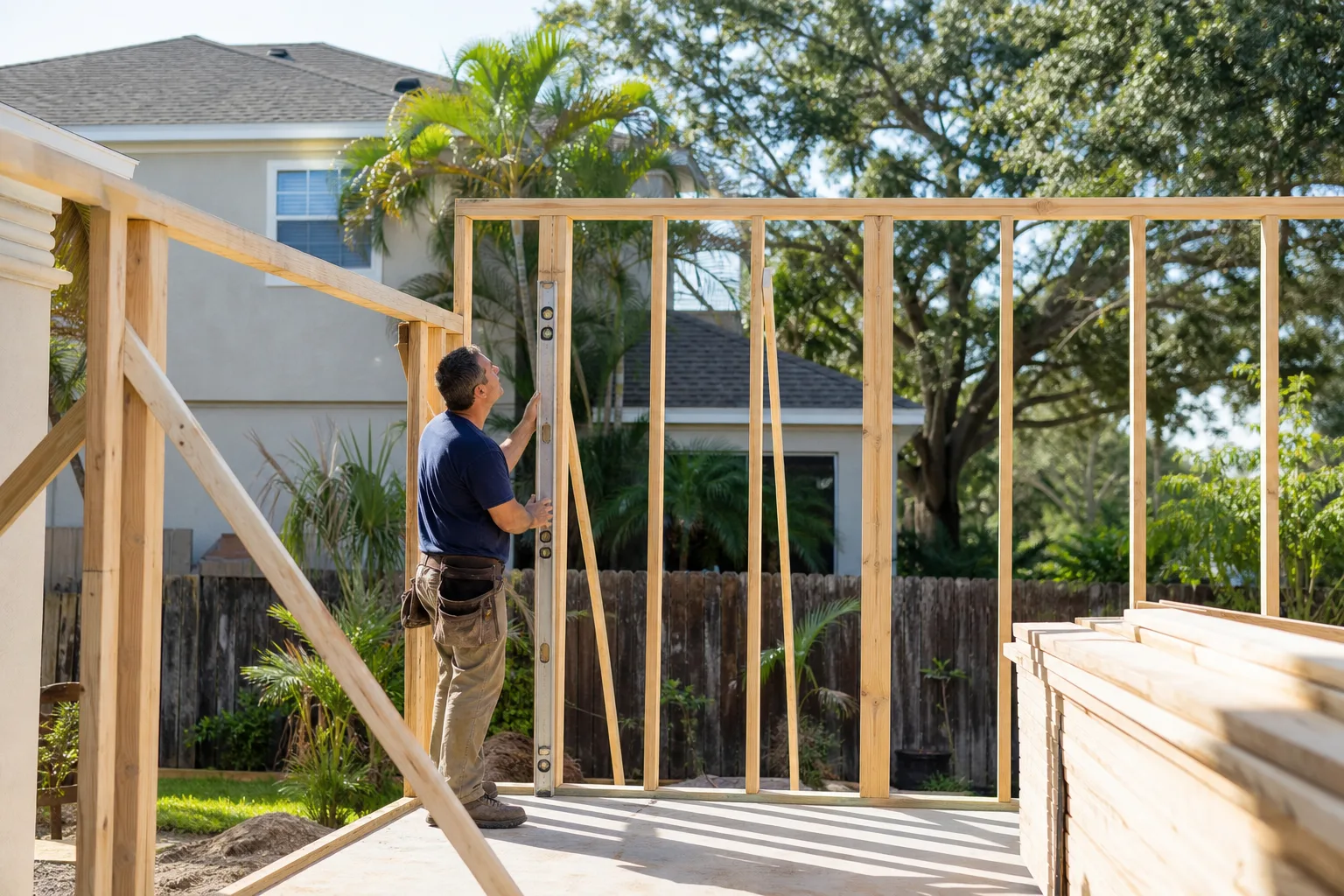
In Ventura, a full Abodu home addition or ADU project lands between $45,000 and $130,000. The range is wide because a cosmetic interior refresh at the lower end is a completely different job than a structural connection repair, re-flashing, and interior rebuild at the top. The big drivers: square footage, whether we’re repairing the original connection points or building new ones, the condition of the existing roof tie-in, and what finish grade you choose for the interior.
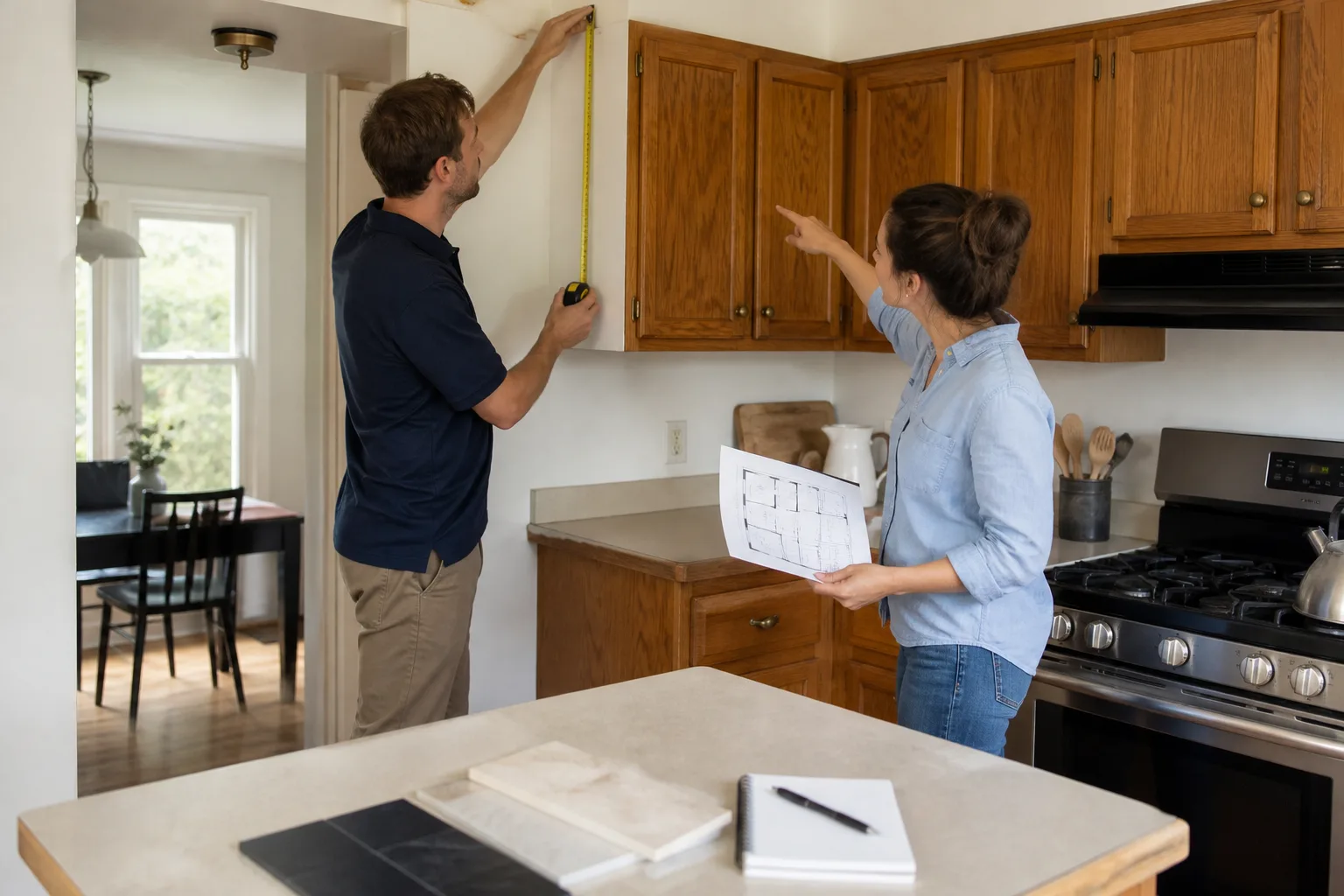
Every quote is written and line-itemed before we touch a tool. That means the number you approve is the number you pay – no change orders because someone “didn’t see” a beam. The work is covered under the Done Right Promise: if it’s not done right, we make it right, in writing, for a full year after the project closes. We pull permits when the work requires them and coordinate the inspections ourselves.
| Scope | Ventura Installed Range |
|---|---|
| Whole-home addition (400 – 800 sq ft) | $45,000 – $130,000 |
| ADU construction (new build) | $90,000 – $220,000 |
| Garage conversion to living space | $30,000 – $80,000 |
| Kitchen remodel (within addition) | $14,000 – $45,000 |
| Bathroom remodel (within addition) | $9,000 – $28,000 |
DIY or Call Us?
You can safely inspect a few things yourself: check the data plate for the model year, run a level along the floor to see how far off it is, and shine a flashlight along the roof tie-in to look for gaps in the flashing. Those checks are free and they help you have an informed conversation when you call.
What you shouldn’t do is open the wall, pull the roof flashing, or attempt any structural adjustment. Roof work on a two-story addition, any electrical or panel work, and anything involving gas lines are genuinely dangerous. One wrong cut into a load-bearing point and you’ve turned a $10,000 repair into a $70,000 rebuild. If the issue is structural or the flashing has failed, call us at (831) 604-3426. We’ll give you a straight answer and a written price before any work begins.
FAQs
The modular core is built to last 50 years or more, but the site-built connection points in Ventura’s coastal climate typically need real attention within 5 to 10 years. Flashing, vapor barrier, and foundation tie-downs are the wear items. Everything else is usually fine.
In almost every case, we can repair the connection points without replacing the modular core. That means re-flashing the roof tie-in, re-securing the foundation connection, and rebuilding the interior finish work. Call (831) 604-3426 for an exact quote – estimates are free.
A structural connection repair usually runs 1 to 3 weeks. A full interior rebuild of an existing Abodu addition can run 4 to 8 weeks, depending on the scope and what we find once walls are open. We’ll tell you the timeline before we start, and we stick to it.
We stock the common connection materials – flashing, vapor barrier, structural fasteners, and compatible finish materials like KraftMaid cabinetry and Cambria or Silestone countertops. For anything Abodu-specific that’s proprietary, we source it directly from the manufacturer network. Either way, you’ll know the lead time before we schedule.
Written by Sawyer Remodel Ventura, Sawyer Remodel Ventura at Sawyer Remodel Ventura, serving Ventura and nearby areas.
If your Abodu addition needs work, call (831) 604-3426 and we’ll put a price in writing. The work says it. We just show up and cut straight.