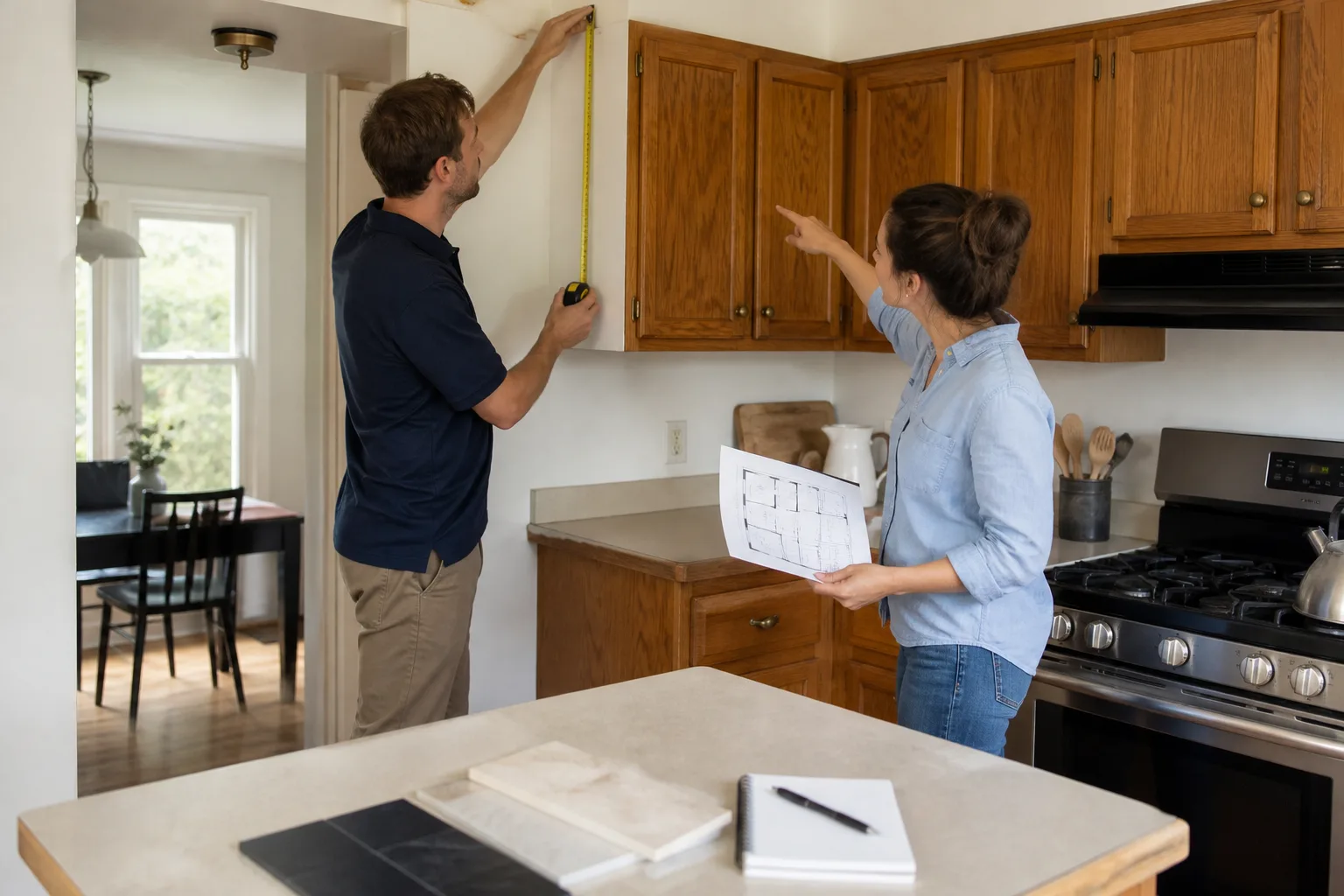
Free written scope consultation - allowances, timeline, and change-order rules on paper before a single trade is scheduled
Cover Home Additions & ADU: The Ventura Owner’s Guide
If your Cover home addition or ADU has a failed part, we stock and install Cover-compatible components throughout Ventura, with most replacements completed in one to two visits. Installed pricing for a full home addition or ADU in Ventura runs $45,000 – $130,000, while a garage conversion lands between $30,000 – $80,000, and a complete ADU construction starts at $90,000 and can reach $220,000. Most owners discover a failing part the hard way: a door that no longer seals, a window that won’t lock, or a wall section that’s started to pull away from the main structure after a bad rain year.
What we see most often in Ventura: water intrusion at the connection point where the addition meets the original house. That seam is where Cover-built additions and ADUs fail first, and it’s the first thing we check.
Which Cover Models This Applies To
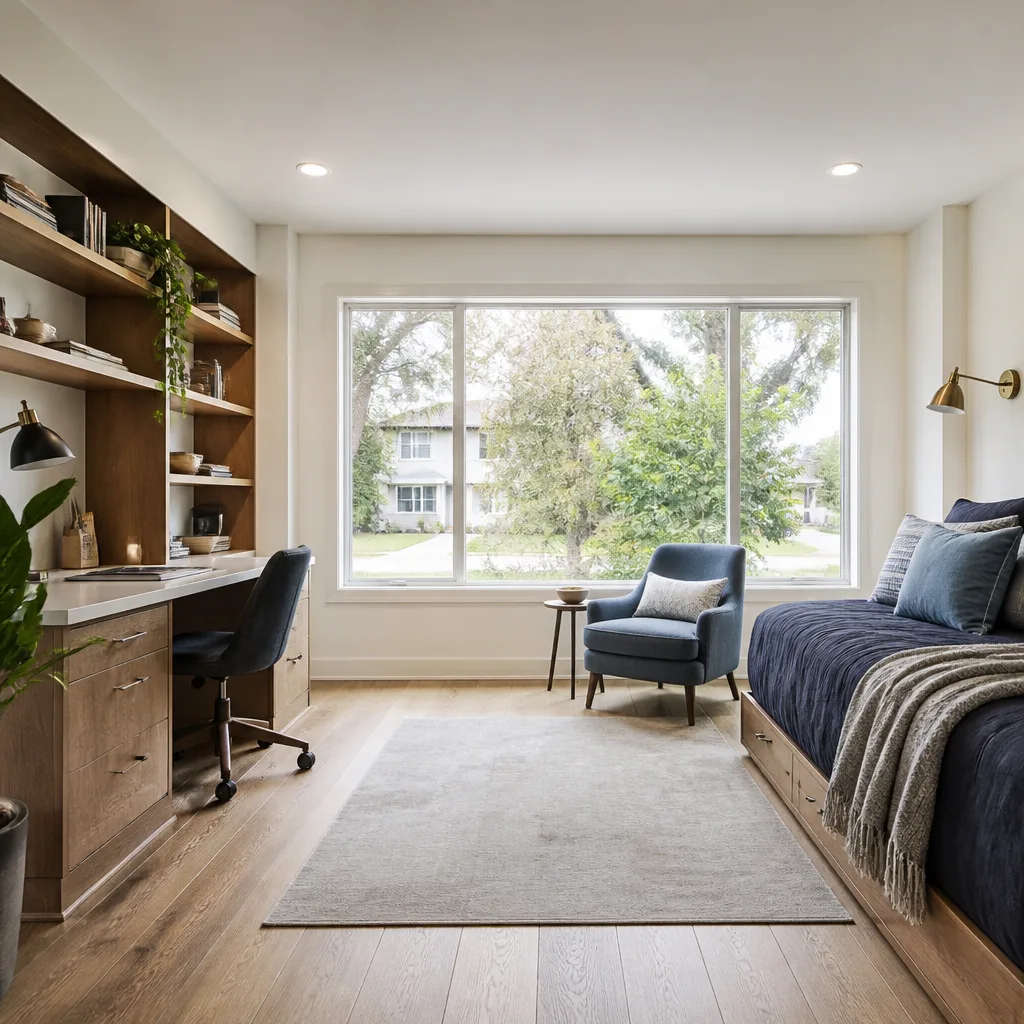
Cover is a Los Angeles-based modular home builder that manufactures prefabricated ADU and home addition modules in a factory, then assembles them on-site. Their system relies on panelized wall sections, pre-built roof trusses, and standardized connection hardware, which means the parts are predictable if you know what you’re looking at. Every Cover module carries a serial plate, usually on the interior side of an exterior wall near the electrical panel or inside a closet. That plate lists the module number, manufacture date, and the spec revision, and it’s the first thing we ask you to photograph before we order anything.
Here’s the compatibility gotcha most Ventura owners run into: Cover has revised their wall-panel connection hardware twice since 2019, and early-revision brackets don’t always match newer panel framing. If you have a 2018-2020 Build, the panel-to-foundation anchor bolts use a narrower plate pattern than current production. That matters if you’re replacing a damaged wall section or adding a door or window opening. We can usually identify the revision from photos and measurements, which saves a wasted trip and a wrong part. Sawyer Remodel Ventura is an independent service provider, not affiliated with Cover, but we’ve worked on enough of their modules across Ventura to know which parts interchange and which ones don’t.
When it comes to OEM versus aftermarket, the honest answer is that Cover’s proprietary connection brackets and sealing gaskets should come from Cover. The aftermarket options we’ve tested don’t hold the same tolerances, and in a coastal climate like Ventura’s, a few millimeters of gap turns into a water problem within a season or two. For everything else, framing lumber, fasteners, flashing, weather barriers, those are commodity materials and we use name-brand equivalents from the same suppliers Ventura builders have trusted for years.
Styles & brands we work with
- Kitchen remodeling
- Bathroom remodeling
- Home additions & ADU
- Roofing
- Windows & doors
- Driveway & pavers
- Fence
Signs Your Cover Home Additions & ADU Is Failing
- Water staining at the seam where the addition meets the house. The transition flashing between the original structure and the Cover module is the most common failure point we see in Ventura, especially after the winter rains. The sealant degrades, the flashing shifts, and water finds the gap.
- Doors that stick or won’t close cleanly. Modular units settle differently than stick-built framing, and when a Cover module’s foundation piers shift in Ventura’s expansive clay soils, the door frames rack slightly. A door that was fine in July and sticks in February is a settlement signal, not a humidity problem.
- Visible gaps at window trim or baseboards that weren’t there before. This is the same settlement issue showing up in the finish work. In a modular build, small gaps can open at the intersection of panel seams when the unit moves.
- Musty smell in one specific corner or wall cavity. That’s trapped moisture, and in a Cover module it usually traces back to a failed seal at a panel joint or a roof penetration. Ventura’s marine layer keeps things damp enough that mold gets a foothold fast once water’s inside.
- Hairline cracks running diagonally from window corners. On a modular structure, diagonal cracks at openings mean the panel is carrying load it wasn’t designed for, often because a connection bracket has loosened or corroded.
See the difference
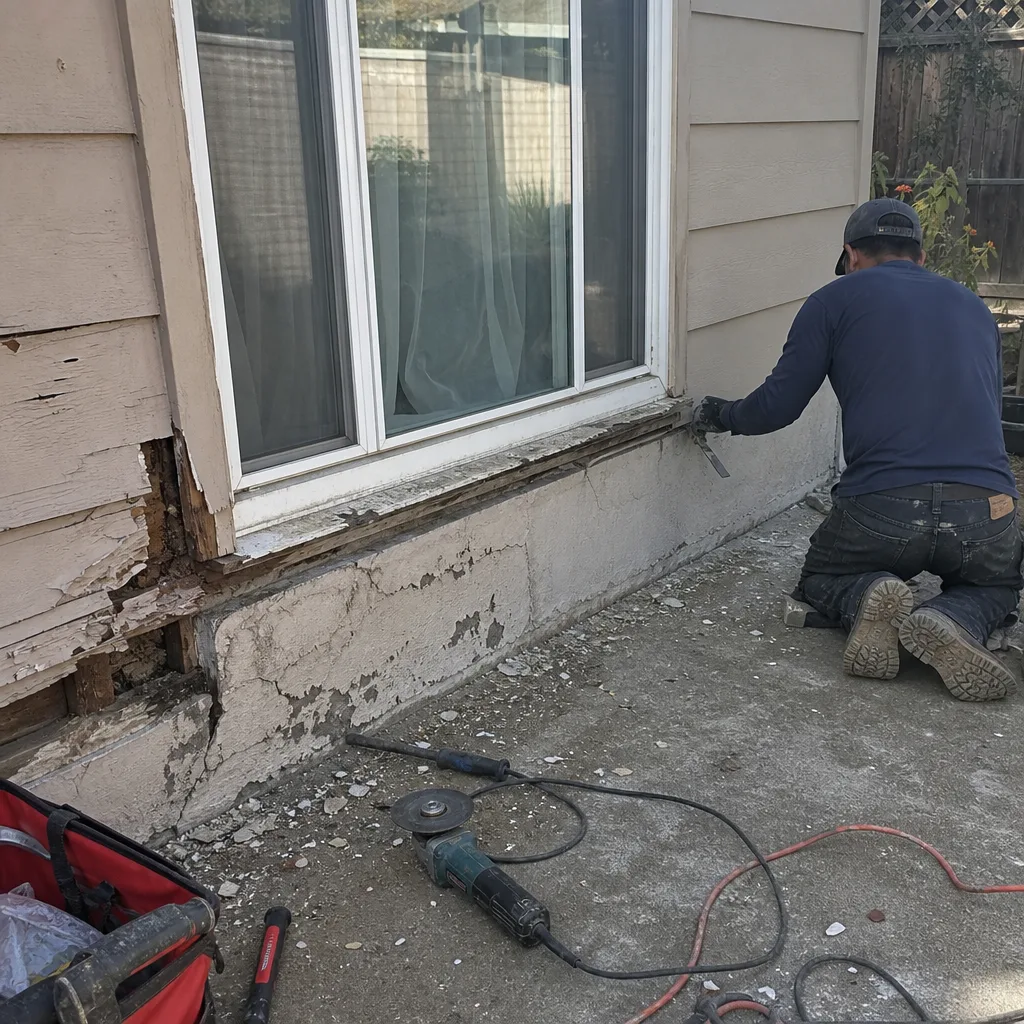 Before
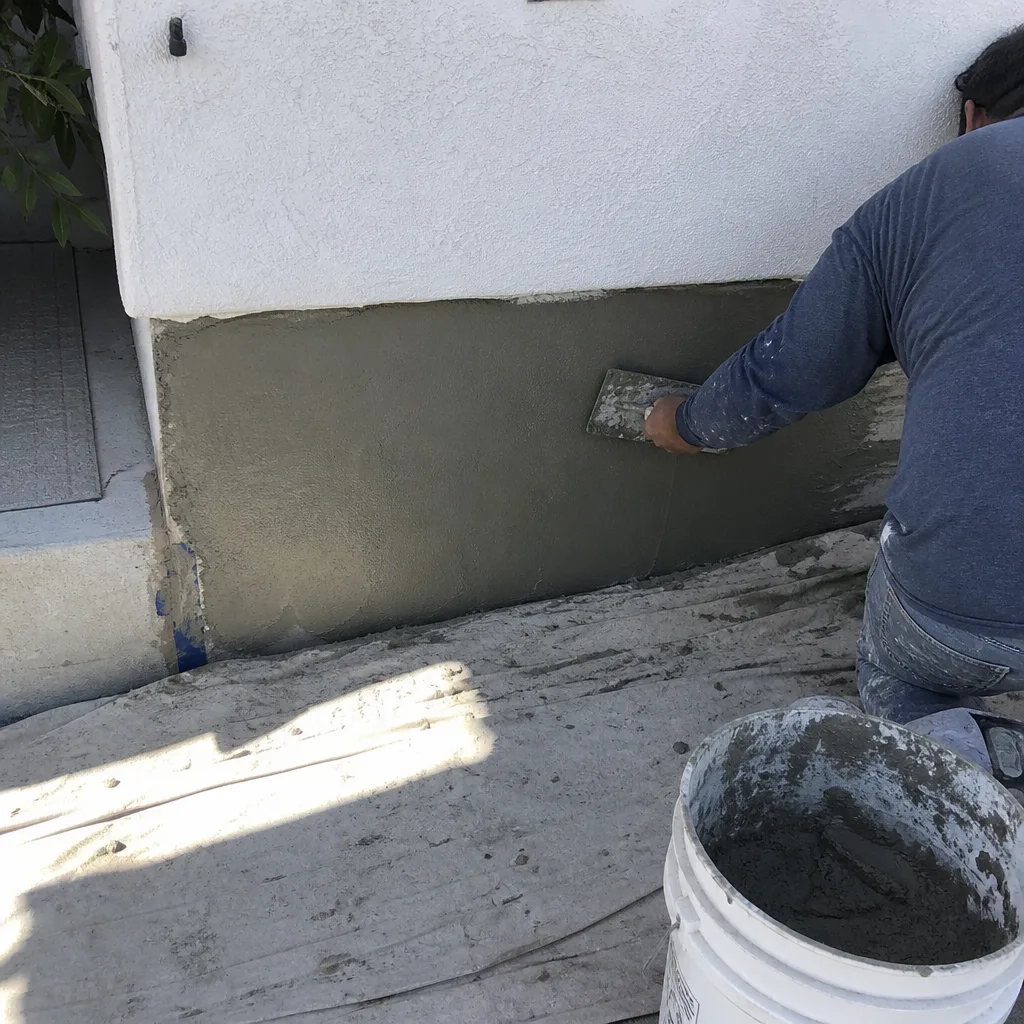 After
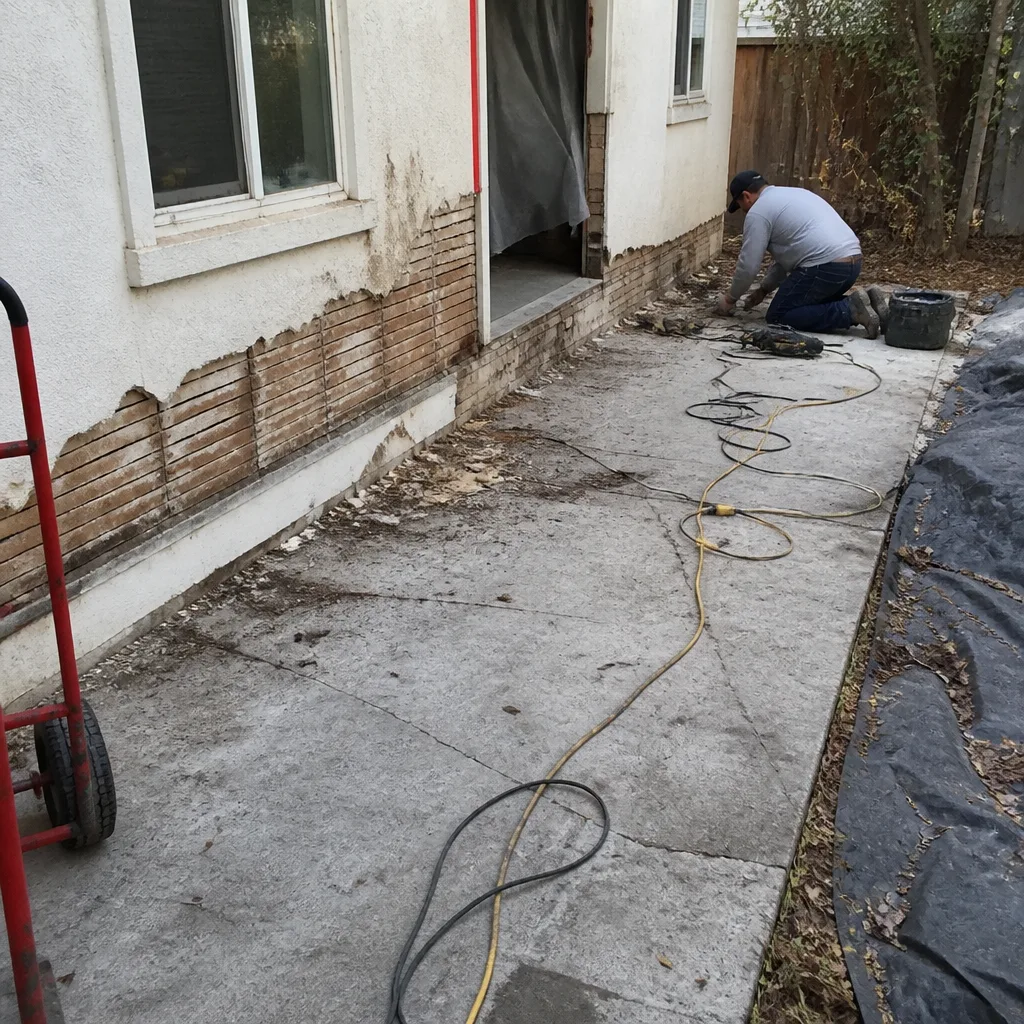 Before
 After
 Before
 After
Replacement Cost & What’s Included
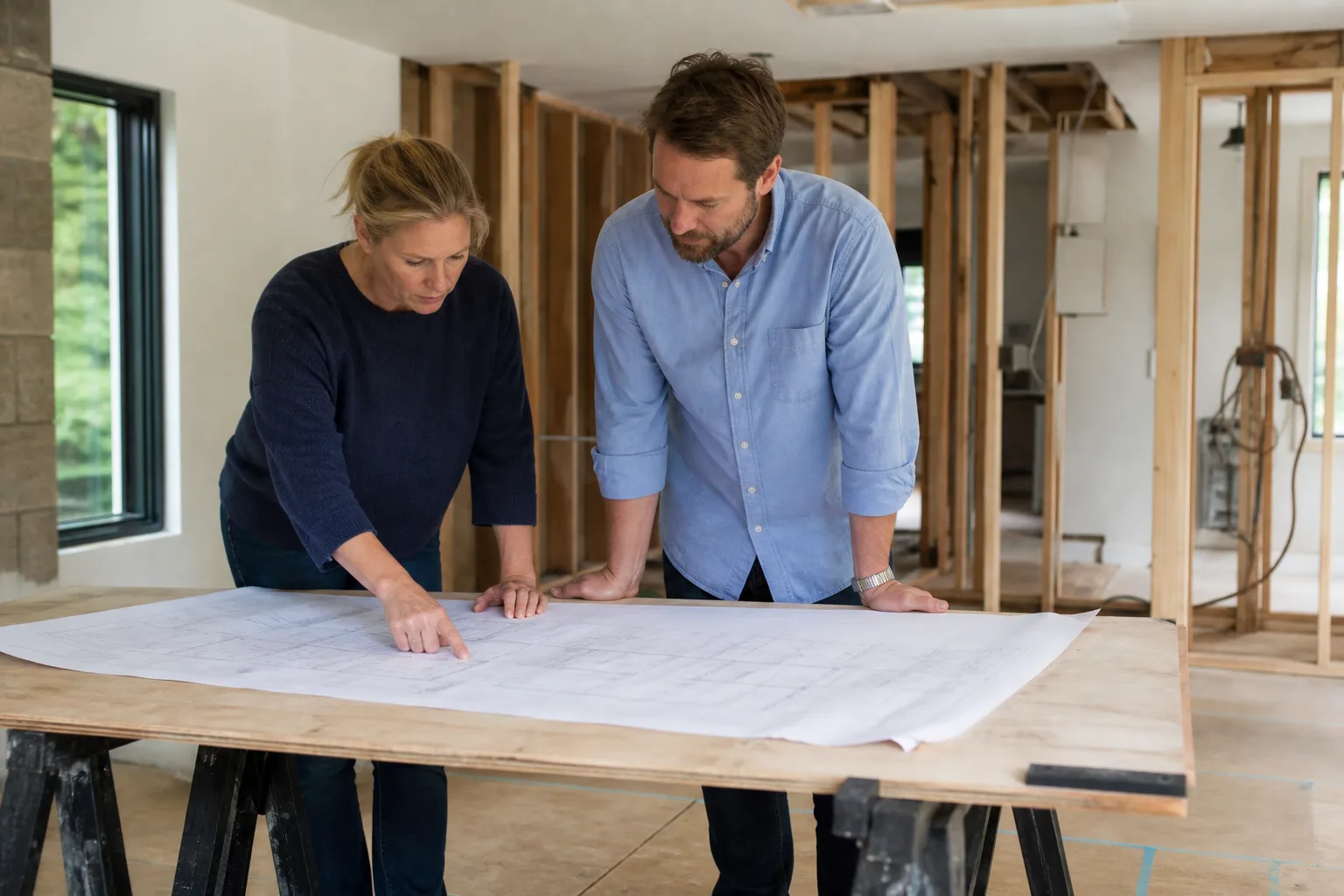
In Ventura, a targeted repair on a Cover addition or ADU runs $3,500 – $12,000 depending on what’s failed. A full panel replacement or re-flashing of the connection seam lands in the $8,000 – $18,000 range. A complete home addition rework runs $45,000 – $130,000, and full ADU construction sits at $90,000 – $220,000.
What moves the number: how much water damage has already happened behind the failed part, whether the module has settled enough to require re-leveling before the repair, and whether the failed component is a Cover-proprietary part or a commodity material. Every quote from us includes the part cost, the labor to remove and install, disposal of the failed material, and any patching or finishing to make the repair disappear into the surrounding wall. We give you a written price before any work starts, and the number on the invoice is the number you approved. No change orders because we “discovered something.” We factor the unknowns into the quote up front.
If the repair fails within 365 days, we come back and fix it. That’s our promise, in writing, on every job.
DIY or Call Us?
Some things you can check safely. You can look at the serial plate and photograph it. You can inspect the exterior seam where the addition meets the house, looking for cracks in the sealant or daylight through a gap. You can run a hose along that seam on a dry day and watch the interior for water. That’s diagnosis, and it’s useful.
What you shouldn’t do is start dismantling a wall panel or pulling trim to “find the leak.” Cover modules use interlocking panel connections that carry structural load, and loosening the wrong fastener with a few hundred pounds of roof on top of it is how a small repair turns into a big one. The work says it. We just show up and cut straight. If you suspect a failing panel or connection, call us at (831) 604-3426 and we’ll put a trained set of eyes on it, tell you what’s actually wrong, and give you a written price before anything gets touched.
FAQs
A properly maintained Cover module will last 50+ years, but the connection seals and flashing at panel joints need inspection every 3 to 5 years in Ventura’s salt air and wet-winter climate. The seals are the wear item, not the structure.
Yes, in most cases. If the panel itself is sound and the failure is at a seal, bracket, or flashing point, we can repair it without pulling the whole panel. Replacement only makes sense when water damage has compromised the panel’s structural sheathing. Call (831) 604-3426 and we’ll tell you which one you’re dealing with.
Most connection seal and flashing repairs take one day on-site. A full panel replacement typically takes two to three days, depending on weather and how much finish work needs to be restored afterward. We’ll give you a schedule in the written quote.
We keep common Cover connection brackets, sealants, and flashing materials on hand, and we maintain accounts with Cover’s parts supplier for proprietary components. For a full list of what we can source same-week, call (831) 604-3426. Estimates are free.
If your Cover addition or ADU is showing signs of failure, don’t wait for the next rain to find the leak for you. Call Sawyer Remodel Ventura at (831) 604-3426 and we’ll schedule an inspection, give you a written price, and get your home buttoned up right.
Written by Sawyer Remodel Ventura, Sawyer Remodel Ventura at Sawyer Remodel Ventura, serving Ventura and nearby areas.