Last updated October 16, 2026






Free written scope consultation - allowances, timeline, and change-order rules on paper before a single trade is scheduled
DIY vs Professional Construction: The Ventura Homeowner’s Decision Guide
Here’s a number most Ventura homeowners never hear until it’s too late: California Civil Code 1102 requires sellers to disclose every unpermitted addition, alteration, or repair made to a property. Not the big ones. Every one. A DIY water heater swap you did on a Sunday in 2019? That’s a disclosure item. A reframed closet opening from 2021? Disclosure item. The question isn’t whether you can do the work. It’s whether the work you do will survive a resale inspection, a lender’s underwriting review, and a coastal climate that tests every material decision within five years. This guide walks through exactly where the line sits for Ventura homeowners, category by category, so you can decide with your head instead of your ego.
Quick Answer
DIY is the right call in Ventura for cosmetic work under $500 in combined labor and materials that doesn’t touch electrical, plumbing, structural framing, waterproofing, or exterior weather barriers. Hire a licensed contractor for anything that requires a permit, opens a wall system, or sits between your house and the Pacific’s salt air. If you’re unsure how to vet one, read our How to Hire a Construction Contractor in Ventura: A Step-by-Step Guide first. When in doubt, the permit trail and the warranty are worth more than the labor savings.
Styles & brands we work with
- Kitchen remodeling
- Bathroom remodeling
- Home additions & ADU
- Roofing
- Windows & doors
- Driveway & pavers
- Fence
Table of Contents
- What California Law Actually Says About DIY Work
- Category-by-Category: Where DIY Makes Sense in Ventura
- Why Ventura’s Coastal Climate Changes the DIY Calculus
- Permit Exposure: The Hidden Cost of Skipping the Paperwork
- Resale Reality: What Ventura Buyers and Agents Now Flag
- Tracking Your Budget: Material Costs vs. Labor Costs in Ventura
- Warranty and Documentation: What You Lose When You DIY
- Common Mistakes to Avoid
- When to Call a Professional
- Frequently Asked Questions
What California Law Actually Says About DIY Work
California Business and Professions Code Section 7048 draws a bright line that surprises most homeowners: any construction project where the combined cost of labor and materials exceeds $500 legally requires a licensed contractor. That’s not a suggestion. It’s the threshold at which the state considers unlicensed contracting a misdemeanor.
Let’s put that number in Ventura terms. A $500 project is smaller than you think. A basic bathroom faucet replacement with a mid-range Moen fixture and your own labor? You might sneak under the line if you’re thrifty. But the moment you need supply-line work, a new P-trap, or any wall repair behind the fixture, you’re over. A deck refinish on a 300-square-foot Ventura deck? Materials alone for quality stain and cleaner run $150 to $250. Add the cost of your time at minimum wage and you’ve crossed the threshold before you pick up a brush.
What does this mean practically? It means the state isn’t chasing homeowners who paint their own bedrooms. But it is a tool that comes out during disputes, insurance claims, and title reviews. If a water-damage claim stems from a DIY plumbing repair, your insurer has a legal basis to deny coverage. If a permit was required and skipped, the city of Ventura can issue a stop-work order, levy fines, and require you to tear out finished work for inspection.
The $500 threshold also matters because it’s cumulative per project, not per item. A “small” bathroom refresh that includes a new vanity, a light fixture, and some tile backer board is not three small projects. It’s one project over the line.
For a deeper look at how this plays out on larger scopes, our guide on General Contractor in Ventura covers what a licensed professional brings to a permitted job.
Category-by-Category: Where DIY Makes Sense in Ventura
Here’s the honest breakdown. Not all DIY is created equal, and treating every project the same is how homeowners end up with a $4,000 repair bill from a $400 shortcut.
Interior Painting: DIY Friendly
Paint your own walls. Ventura’s dry, moderate climate is forgiving to interior latex paint, and the consequences of a bad paint job are cosmetic, not structural. You’ll spend $40 to $70 per gallon on quality paint, $25 on tape and drop cloths, and a weekend. A professional crew in Ventura charges $3 to $6 per square foot for interior painting, so a 1,200-square-foot home runs $3,600 to $7,200. That’s real savings.
The exception: lead paint. If your Ventura home was built before 1978 and you’re sanding old layers, California’s lead-safe renovation rules apply. That’s another threshold where professional certification matters.
Tile and Flooring: Mixed Verdict
Laying floating luxury vinyl plank or click-lock flooring is absolutely DIY territory. The skill ceiling is low, mistakes are easy to fix, and you’ll save $2 to $4 per square foot in labor.
Tile is where it gets trickier. Wall tile in a dry area, like a kitchen backsplash, is forgiving. Floor tile over a concrete slab in Ventura is also manageable with patience and a good leveling system. But shower tile is not DIY territory. A shower enclosure is a waterproofing system first and a tile installation second. The tile is just the surface. The Schluter edge trim (the metal strip that waterproofs where your tile meets the floor) and the membrane underneath are the actual water barrier. One seam done wrong means water behind your wall, and in Ventura’s mild climate, that moisture will find the framing and stay there. You won’t see it for years. Then you’ll smell it.
Read more about what’s involved on the wet side in our Bathroom Remodeling in Ventura guide.
Landscaping and Hardscaping: DIY Friendly, with Coastal Caveats
Planting, mulching, irrigation tweaks, and even paver patios are fair DIY ground. Ventura’s climate is generous to landscapes, and the stakes are low. A poorly graded paver patio might puddle in winter rain, but it won’t rot your house.
The caveat is drainage. Any hardscape that redirects water toward your foundation creates a problem that compounds fast with Ventura’s winter rain patterns. Get the slope right or pay someone who will. A laser level is $80 at Harbor Freight. Use it.
Electrical: Not DIY. Period.
California building code and the National Electrical Code govern every wire, breaker, and junction box in your Ventura home. A homeowner can legally pull an owner-builder electrical permit for their own residence, but the inspection standard doesn’t drop for DIY work. One missed wire-nut torque, one overloaded circuit, one wrong gauge, and you’ve created a fire hazard inside your walls.
This is the one category where we’ll speak plainly: the labor savings on a DIY panel upgrade, which might run $1,500 to $2,000, does not justify what a failed connection can cost. Insurance claims get denied. Fires start. Homes are lost. Hire a licensed electrician for anything beyond swapping a light fixture or replacing a switch.
Plumbing: Mostly Not DIY
Changing a showerhead or a faucet cartridge? Go for it. Moving a drain line, venting a fixture, or replacing a water heater? That’s licensed territory. California’s Plumbing Code is specific about venting, slope, and materials, and the consequences of getting it wrong are water damage, sewer gas in your living space, and permit complications down the line.
Water heaters deserve special mention. A tankless or tank replacement in Ventura requires a permit, a strapping and anchoring detail for seismic safety, and inspection sign-off. Skip the permit and you’ve created a disclosure problem when you sell. Your buyer’s home inspector will check for the permit sticker. They always do.
Structural Work: Never DIY
Removing a wall, notching joists for plumbing, adding a window opening, or changing roof framing all require engineering, permits, and inspections. These are the projects where a Ventura homeowner’s DIY effort becomes the resale problem they didn’t know they were creating. Structural mistakes don’t just fail slowly; they fail catastrophically. The $8,000 to $15,000 you might save doing it yourself is a fraction of what a structural failure costs to remediate.
Roofing: Never DIY
Roofing in Ventura is a fight against two forces: UV exposure and wind-driven rain. A properly installed roof from a GAF or CertainTeed-certified installer carries a manufacturer-backed warranty that covers materials and installation workmanship. A DIY roof carries whatever the homeowner’s skill level was that day. Ventura’s coastal windstorms test every shingle seal, and the first leak is rarely where you think it is. Walkable-steep roofs are dangerous, the fall risk is real, and the savings disappear the first time water reaches your ceiling.
Why Ventura’s Coastal Climate Changes the DIY Calculus
Most DIY advice online is written by people who’ve never worked in a marine climate. What works in Dallas or Phoenix or even Sacramento doesn’t always translate to Ventura’s salt air, morning marine layer, and seasonal wind patterns.
Take deck staining, for example. On a Sacramento deck, you can clean the surface, wait a day, and roll on a solid stain. In Ventura, the marine layer deposits salt and moisture on horizontal surfaces every morning for months of the year. Stain applied over that invisible salt residue fails within a season or two. The adhesion problem isn’t visible at application time. It shows up as peeling and flaking 14 months later, when the stain has failed and the wood has started to gray unevenly. Professional deck refinishers in Ventura know to test surface moisture content, do a full cleaning, and often use a moisture meter before ever opening a can. IKO, Atlas, and Tamko all manufacture deck and exterior surface products with specific coastal application guidelines, and those guidelines exist because marine climates behave differently.
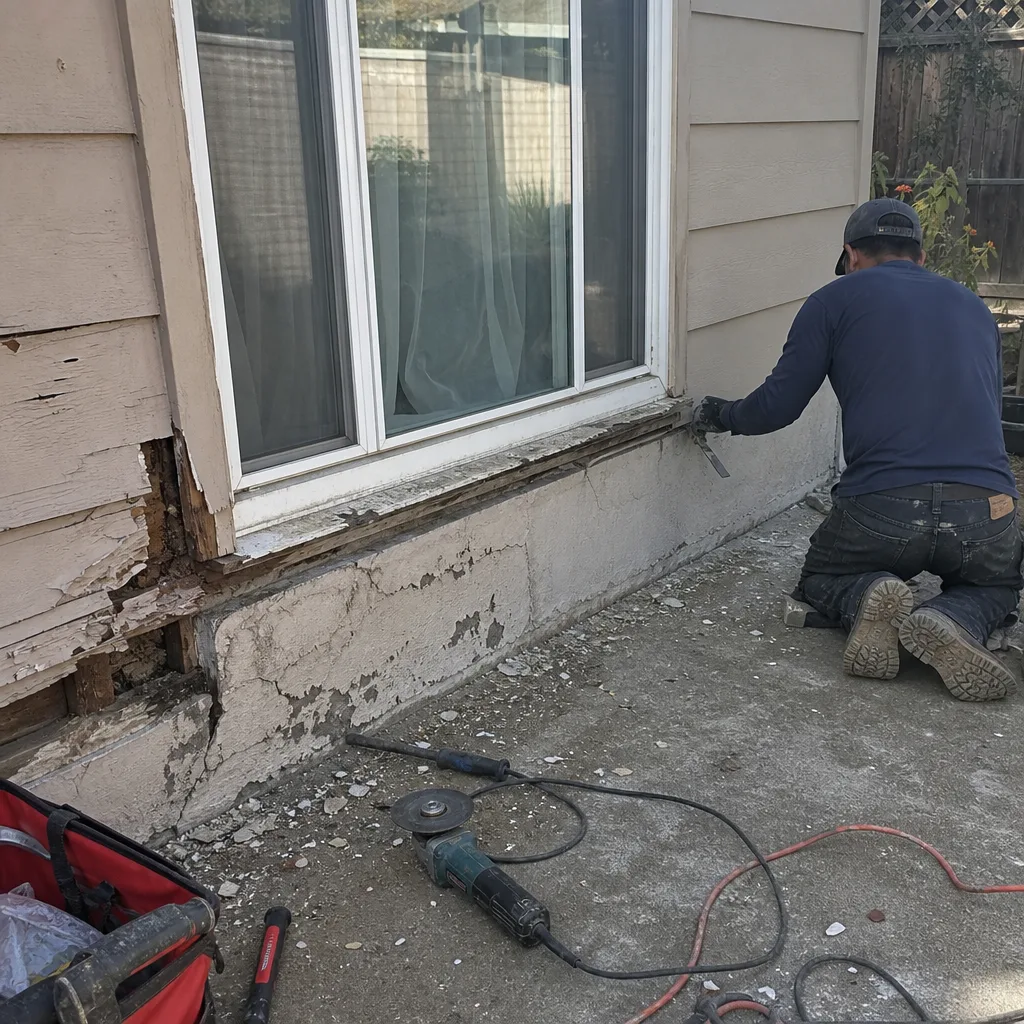
Exterior paint is similar. Ventura’s UV exposure is intense. North-facing and south-facing walls weather at completely different rates. A DIY painter who buys the same paint for every exposure will see chalky failure on the south side in three years while the north side still looks fresh. Pros break the job by exposure and choose products accordingly.
The marine layer matters for caulking and sealants too. Silicone and polyurethane sealants need a dry, clean substrate to cure properly. Applied during a foggy morning cycle, they skin over too fast or fail to bond completely. The fix is timing the work around the weather, which is exactly the kind of local knowledge that separates a Ventura professional from a YouTube tutorial.
Permit Exposure: The Hidden Cost of Skipping the Paperwork
Here’s how it actually plays out in Ventura. You DIY a bathroom remodel in your own home. You do a decent job. The tiles are straight, the vanity is level, the fixtures work. You save $8,000 or $9,000 in labor. Five years later, you list the house.
The buyer’s agent, doing their job, pulls the permit history from the City of Ventura’s building department. No permits on file for a bathroom that’s clearly newer than the house. The agent flags it. The buyer’s lender asks about it. The appraiser notes it. Now you’re in a negotiation where the buyer demands a retroactive permit, which means opening walls to inspection, or a price reduction, which means giving back some or all of what you saved.
This is not hypothetical. It’s the single most common resale complication we see in Ventura, and it’s entirely avoidable.
What should you pull a permit for? In Ventura, the list includes but isn’t limited to:
- Any structural modification, including the removal or addition of walls, beams, headers, or footings
- Electrical panel changes, subpanel additions, or circuit extensions
- Plumbing work beyond fixture replacement – drain line moves, vent changes, water heater replacement
- Window and door openings that change the building envelope
- Roof replacement or re-roofing over more than a small repair area
- Water heater replacement, furnace or HVAC replacement, and any gas line work
- Decks over 30 inches above grade, and any attached deck regardless of height
- Any change that alters fire-rated assemblies, egress windows, or required stair dimensions
The permit itself is not expensive. A typical bathroom remodel permit in Ventura might cost $300 to $800 depending on scope. What’s expensive is the inspection process if you’re doing the work yourself and don’t know the code. You’ll fail an inspection for things you didn’t know were things, and every failed inspection is a re-read, a correction, and another day of your life gone.
For a full-scope look at what a permitted, properly-run project involves, see Home Renovation in Ventura.
Resale Reality: What Ventura Buyers and Agents Now Flag
Ventura’s real estate market has changed in the last five years. Buyers are more informed, lenders are more conservative, and home inspectors are more thorough. The days when a DIY renovation flew under the radar are mostly over.
Here’s what’s getting flagged in 2026:
- Unpermitted bathroom and kitchen remodels. These are the most common, because they’re the most visible. An updated bathroom with no permit history is a red flag to every good buyer’s agent in Ventura County.
- DIY electrical work. Inspectors look for signs: inconsistent wiring colors, non-standard breaker labeling, Romex stapled improperly, junction boxes buried in walls or ceilings. Any one of these turns a routine inspection into a negotiation issue.
- Window replacements without permits. This one surprises people. In Ventura, replacing windows changes the building envelope and requires a permit. New windows with no permit trail, especially in older homes, get flagged for egress compliance and flashing details.
- DIY water heater and HVAC replacements. These are quick to spot because the units have manufacture dates. A 2021 water heater in a house with no 2021 mechanical permit is an instant inspection item.
- DIY roof “repairs.” A patched section that’s clearly not original, with no roofing permit on file. Roofs are the first thing buyers ask about in coastal California, and the first thing that fails a loan underwriting review if the condition looks questionable.
- Owner-builder disclosures at sale. California requires specific disclosure when an owner-builder does work and sells within a certain window. If you pulled an owner-builder permit and did the work yourself, you must disclose it. That disclosure can complicate financing for the buyer.
The mitigation is documentation. If you did DIY work and you’re planning to sell someday, document everything: receipts for materials, photos at every stage, the dates you did the work, and notes on the methods you used. If the work required a permit and you didn’t pull one, be honest with your agent well before listing. The problem gets more expensive the later it’s discovered.
Tracking Your Budget: Material Costs vs. Labor Costs in Ventura
Labor is 40% to 60% of most remodeling projects in Ventura. That’s the number to keep in mind when you’re weighing DIY versus hiring. A $12,000 bathroom remodel might be $5,000 in materials and $7,000 in labor. If you do it yourself perfectly, you save $7,000. If you make $2,000 in mistakes and spend 120 hours of your own time, your effective savings is about $42 an hour – and that’s before counting the cost of the mistakes you don’t catch until later.
Here’s a rough cost map for common Ventura projects, current as of early 2026:
- Interior painting (1,200 sq ft home): $3,600 – $7,200 professional; $700 – $1,200 DIY
- Luxury vinyl plank flooring (600 sq ft): $3,600 – $6,000 professional; $2,200 – $3,300 DIY
- Kitchen backsplash tile (40 sq ft): $1,200 – $2,400 professional; $500 – $900 DIY
- Full bathroom remodel (60 sq ft, mid-grade): $22,000 – $38,000 professional; $14,000 – $22,000 DIY, assuming no permit issues
- Deck refinish (300 sq ft): $1,500 – $2,800 professional; $350 – $700 DIY, with a much higher likelihood of premature failure in coastal conditions
- Electrical panel upgrade (200-amp service): $3,500 – $5,500 professional; illegal as unlicensed DIY
- Water heater replacement: $1,800 – $2,800 professional (with permit); $900 – $1,400 DIY (without permit, creating a future disclosure problem)
- Roof replacement (1,500 sq ft, asphalt shingle): $13,000 – $21,000 professional with manufacturer warranty; not a DIY project
The number that matters is not always the upfront cost. It’s what the project costs over the full life cycle, including resale. A professionally done project with permits and a warranty carries value at sale. A DIY project without permits carries risk. The discount you saved on day one can become the discount you give at closing.
Warranty and Documentation: What You Lose When You DIY
Warranties are where the professional advantage gets concrete. When a licensed contractor installs a roof in Ventura, that roof carries a manufacturer’s warranty from GAF, CertainTeed, IKO, or whoever made the materials – but here’s the part most homeowners miss: the manufacturer’s warranty is only valid if the installation followed the manufacturer’s specifications. Boral, for example, publishes detailed installation manuals for their exterior trim and siding products. Deviate from those specs and the warranty is void, even if the product itself was fine.
Who follows those specs? Licensed, trained installers. Who typically doesn’t? A homeowner working from a YouTube tutorial.
The same applies to waterproofing systems, deck coatings, window installations, and every other building product with a performance warranty. DIY installations void the warranty in almost every case. You’re not just saving on labor; you’re giving up the one thing that protects you if the product fails.
Then there’s the workmanship warranty. A licensed contractor in California is required to provide a minimum one-year warranty on their work. Many – including us – offer more. When Sawyer Remodeling finishes a project in Ventura, that project carries the Done Right Promise: if it’s not done right, we make it right, backed in writing on every job. A homeowner can’t write themselves a warranty. If your DIY tile cracks in six months, that’s your problem and your money.
The documentation trail matters too. Permits, inspection sign-offs, material receipts, installation photos – these are the things that answer a buyer’s questions before they become objections. A professional project generates that trail as a byproduct. A DIY project requires you to generate it yourself, and most homeowners don’t.
Common Mistakes to Avoid
- Assuming “it’s just a small job” means no permit needed. In Ventura, small jobs often trigger permit requirements when they touch electrical, plumbing, or structure. The $500 threshold in California law is lower than most people think. Check before you start.
- Ignoring the marine layer in exterior projects. Ventura’s coastal fog and salt air wreck paint, stain, and sealant adhesion in ways that don’t show up for a year. Prep work that works inland fails here.
- Doing electrical work without knowing the code. The most expensive DIY mistake in Ventura is not the fire – it’s the discovery. Unpermitted electrical work disqualifies insurance claims and becomes a title issue at sale.
- Voiding manufacturer warranties without knowing it. Every major building product from Boral to GAF has installation specs that are part of the warranty terms. DIY almost always voids them.
- Underestimating the disclosure burden. California’s seller disclosure laws don’t just apply to current occupants. If you DIY’d work at any point during your ownership, you disclose it when you sell. The only question is whether you disclose it proactively or reactively.
- Not factoring in your own time value. A bathroom remodel DIY project that costs 120 hours of your time is not free labor. It’s 120 hours you didn’t spend with your family, at your job, or on the rest of your life. For some projects, the savings are real. For others, the math doesn’t work.
- Starting without a written plan and a fixed budget. The number one reason DIY projects spiral is scope creep without a pricing anchor. If you’re determined to DIY, at least write down your budget and your stop-loss number before you pick up any tools.
When to Call a Professional
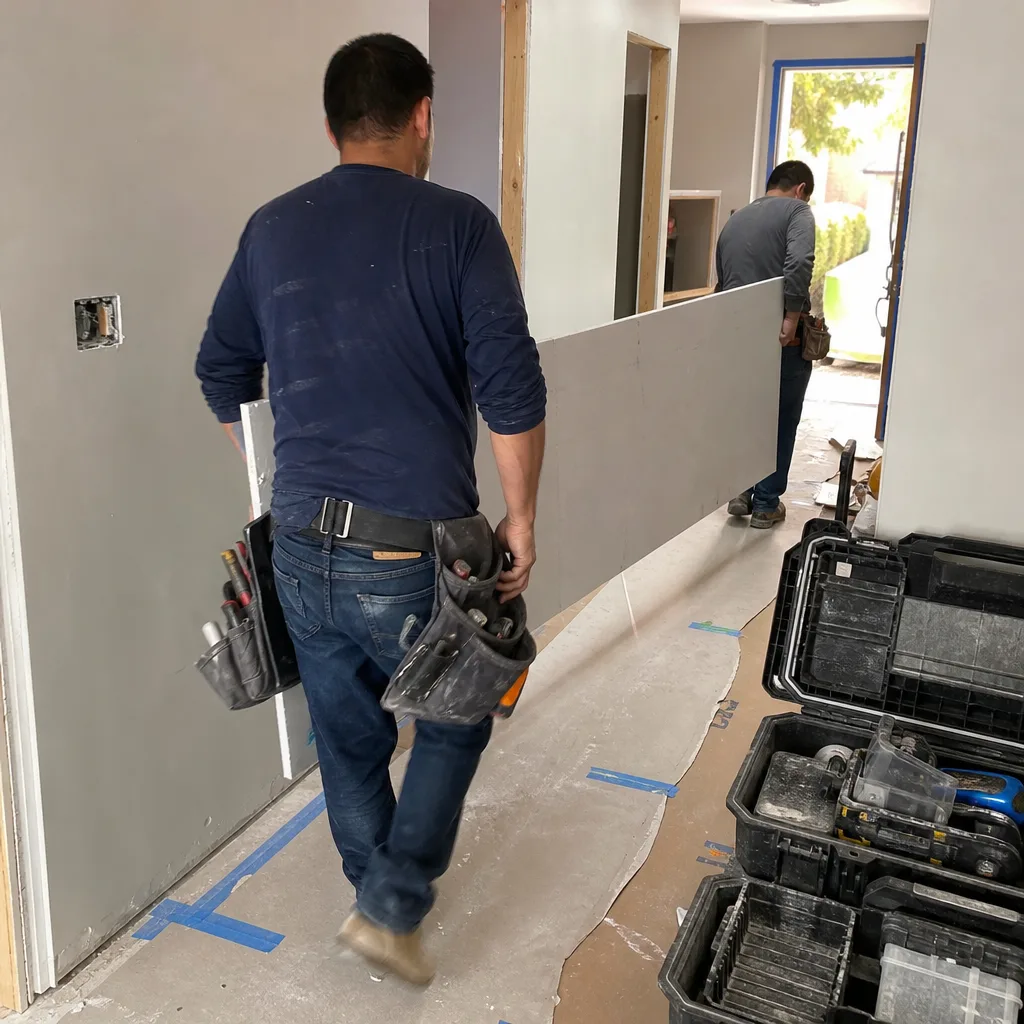
Call a professional when the project touches any of these: structural framing, load-bearing walls, electrical panels or circuits, plumbing beyond a fixture swap, roofing, waterproofing, gas lines, or any work that requires a permit you’re not confident pulling yourself. Also call when the project’s resale implications outweigh the labor savings – which is most projects over $5,000 in Ventura’s current market. And call when the warranty protection matters more than the upfront cost, because for roofing, waterproofing, and structural work, it always does. Sawyer Remodel Ventura offers free estimates in Ventura – call (831) 604-3426 to talk through what your project actually needs.
Frequently Asked Questions
A 60-square-foot mid-grade bathroom remodel in Ventura runs $22,000 to $38,000 professionally, while a careful DIY version typically lands between $14,000 and $22,000 in materials. The savings are real but they come with risks: no workmanship warranty, voided product warranties, possible permit problems, and a final result that depends entirely on your skill level. Call (831) 604-3426 for an exact quote on your specific bathroom – estimates are free.
Yes, water heater replacement in Ventura requires a permit, and the permit includes inspection of the strapping, anchoring, venting, and gas or electrical connections. Skipping the permit creates a disclosure item at resale and can void your homeowner’s insurance coverage if the unit fails.
California allows homeowners to pull owner-builder electrical permits for their own residence, but the work must meet the same code standard as a licensed electrician’s work, including inspection. For anything beyond swapping a light fixture or replacing a switch, the risk of fire and insurance complications does not justify the savings.
Unpermitted bathroom and kitchen remodels, DIY electrical work, window replacements without permits, DIY water heater installations, and roof repairs with no permit trail are the five projects most likely to reduce your resale value or complicate a sale in Ventura. Buyers and their agents check permit history as standard practice now.
Ventura’s marine layer deposits salt and moisture on horizontal surfaces, which compromises paint and stain adhesion even when the project looks clean. Exterior coatings applied without moisture testing and proper prep typically fail within 12 to 24 months in coastal conditions, while the same work lasts 5 to 7 years inland.
For projects that require permits, warranties, or inspection sign-off, hiring a licensed contractor is worth it even when you have the skills. The permit trail, the manufacturer-backed material warranties, and the workmanship guarantee are assets that follow the house and protect your resale value in Ventura’s market.
The Bottom Line

The DIY-versus-pro decision in Ventura is not a test of your competence. It’s a test of your risk tolerance and your timeline. Paint your walls. Lay your floating floors. Plant your garden. But the moment the work touches water, electricity, structure, or the building envelope, the math changes. California’s disclosure laws, Ventura’s coastal conditions, and the resale market’s current standards all point the same direction: do the cosmetic work yourself, hire for the consequential work, and keep the documentation either way. Your future buyer will thank you. So will your future self.
Written by the team at Sawyer Remodel Ventura.
See the difference
 Before
 After
 Before
 After
 Before
 After