Free written scope consultation - allowances, timeline, and change-order rules on paper before a single trade is scheduled
Caesarstone Home Additions & ADU: The Ventura Owner’s Guide
If you’re planning a home addition or ADU in Ventura with Caesarstone surfaces, you’re looking at $45,000 – $130,000 for a full addition, or $90,000 – $220,000 for a detached ADU built to code. We handle the whole build and install Caesarstone countertops and surfaces as part of it, matched to your existing product line and finish. Most Ventura homeowners discover the “part” that’s failing isn’t a single piece, it’s a series of under-specified surface details – seams opening, edges chipping, overhangs sagging where the Caesarstone wasn’t supported correctly on the original build.
What fails is what’s under it, around it, and how it was joined. When we rework a home addition or ADU in Ventura, we’re usually fixing somebody else’s shortcut on the substrate or the seam.
Which Caesarstone Models This Applies To
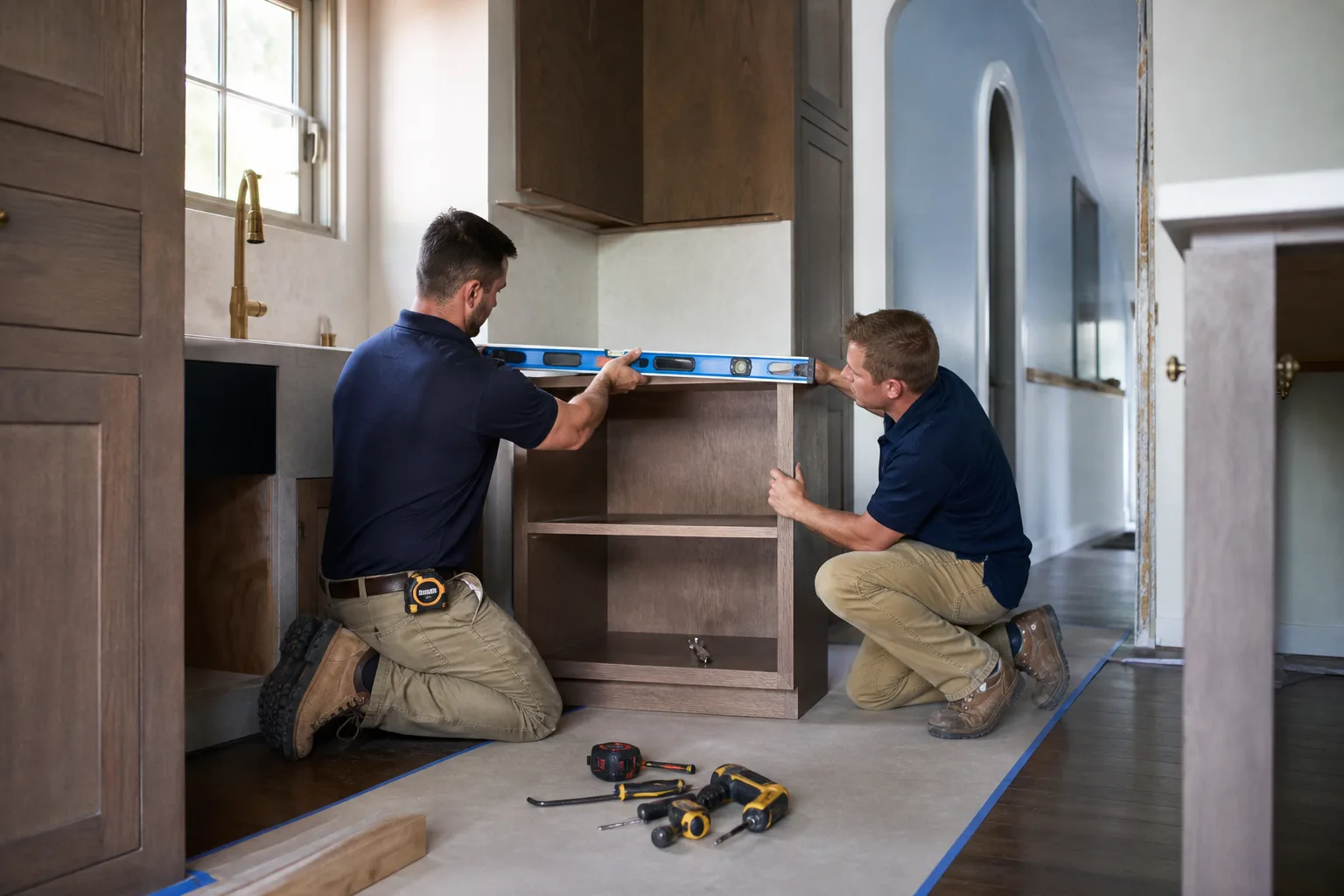
Caesarstone runs several quartz lines: the Classic, Supernatural, Metropolitan, and Outdoor collections. Each has different thickness specs – most interior slabs run 2cm or 3cm, while outdoor lines like the Solaris collection are built for UV exposure that would yellow a standard interior slab. The model number matters because edge profiles and overhang limits differ between lines.
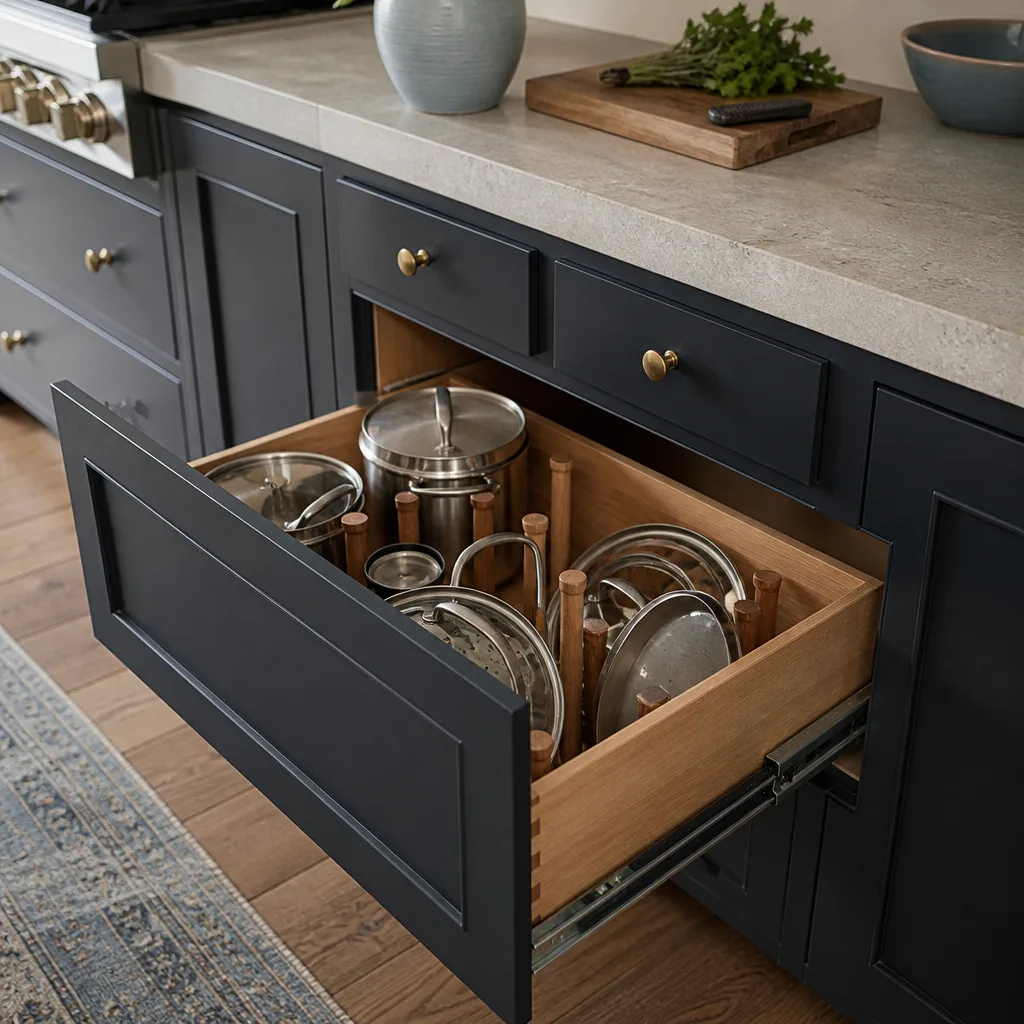
Here’s the compatibility gotcha most Ventura owners miss: a 2cm Caesarstone slab cannot carry the same unsupported overhang as a 3cm slab. If your addition or ADU island was built with 2cm and someone told you a 14-inch overhang was fine without corbels or a steel sub-top, that’s why you’re seeing cracks at the support line. The aftermarket vs. OEM decision for Caesarstone is different than for cabinets or fixtures: quarry-matched slabs come from the same production run, so a replacement piece from a different batch will show color drift. We order directly from authorized Caesarstone fabricators in the Ventura market so the grain and tone match what’s already installed.
Sawyer Remodel Ventura is an independent contractor, not affiliated with Caesarstone. We also work with Cambria, Silestone, and KraftMaid for the surrounding build, so if your addition needs matched surfaces across multiple brands, we handle that without making you chase three vendors.
Styles & brands we work with
- Kitchen remodeling
- Bathroom remodeling
- Home additions & ADU
- Roofing
- Windows & doors
- Driveway & pavers
- Fence
Signs Your Caesarstone Home Additions & ADU Is Failing
- Hairline cracks radiating from a seam or inside corner. Quartz is non-porous and rigid; it doesn’t flex. A hairline crack means the substrate underneath is moving – usually thermal expansion on a California afternoon or a cabinet that wasn’t shimmed level when the slab went down.
- Chipped edges on the overhang or around the sink cutout. That’s impact damage, and it almost always traces back to an overhang that exceeds the slab thickness spec. A 2cm slab with a 12-inch overhang will chip if someone leans on it hard enough, and someone always leans on it hard enough.
- Visible seam widening or a seam that catches your fingernail. Quartz seams should be nearly invisible when done right, tight and flush. If yours has opened up, the adhesive failed or the two slabs were never perfectly coplanar.
- Discoloration or haze that won’t clean off, especially near windows. Interior Caesarstone isn’t rated for direct UV exposure. We see this in Ventura additions where a slab runs right up to a south-facing glass wall or a skylight bakes one section all day.
- Overhang sag or bounce when you press down on it. If the slab flexes at all, it’s under-supported. Quartz weighs about 20 pounds per square foot. That’s real weight, and at some point unsupported weight wins.
The work says it. We just show up and cut straight.
See the difference
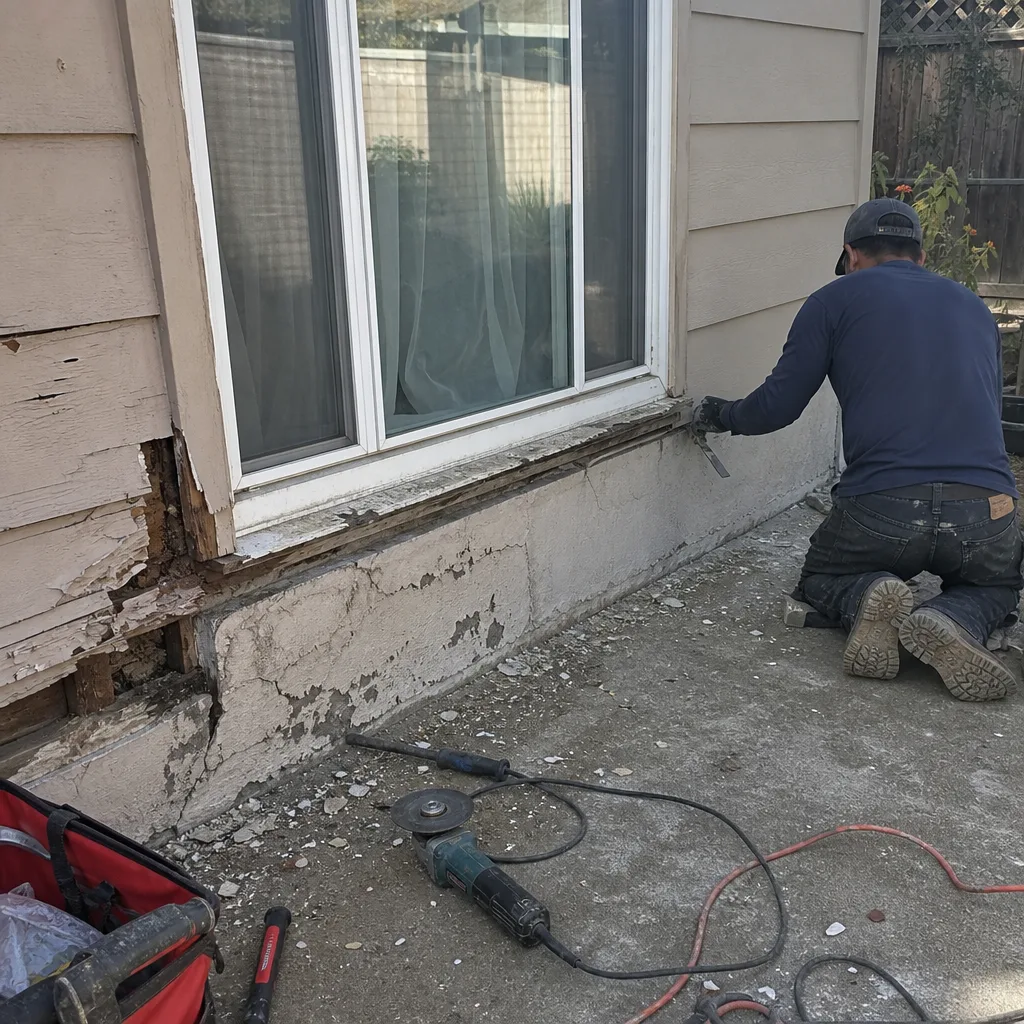 Before
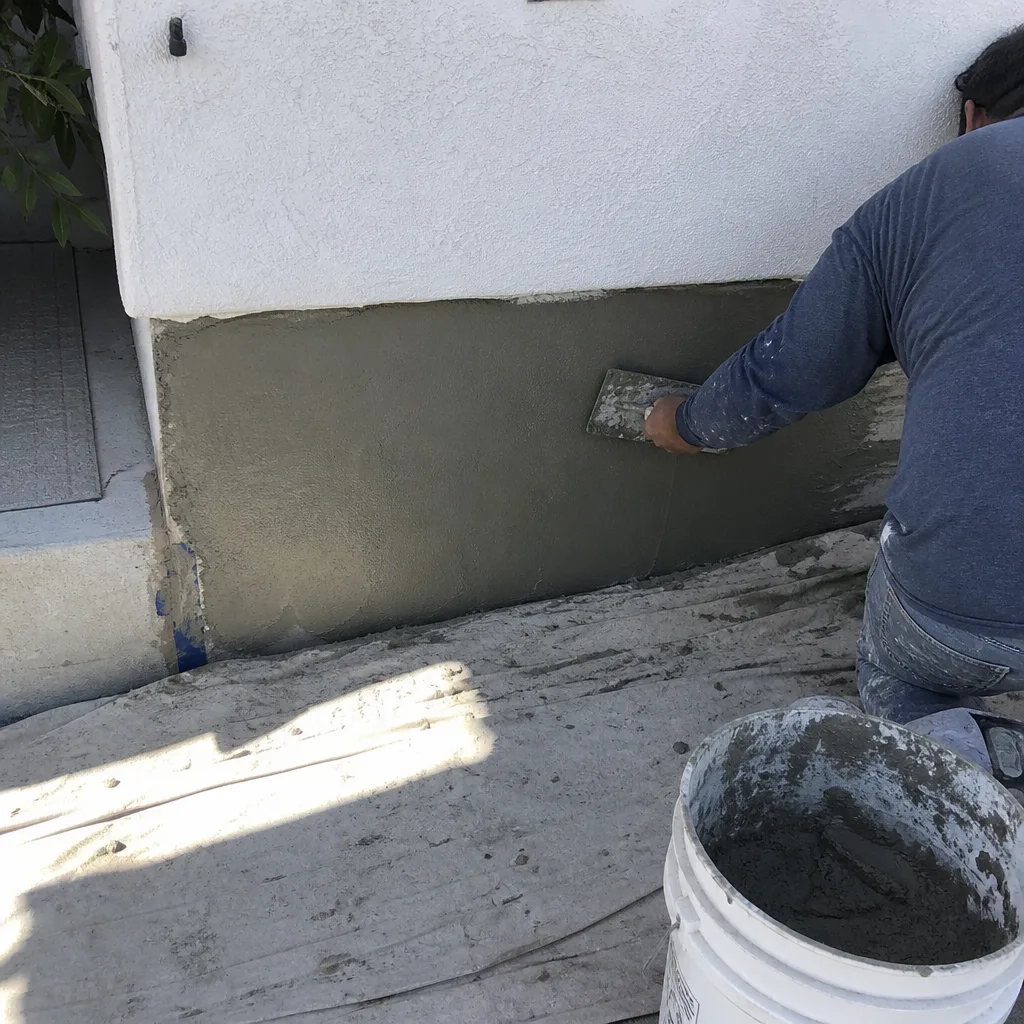 After
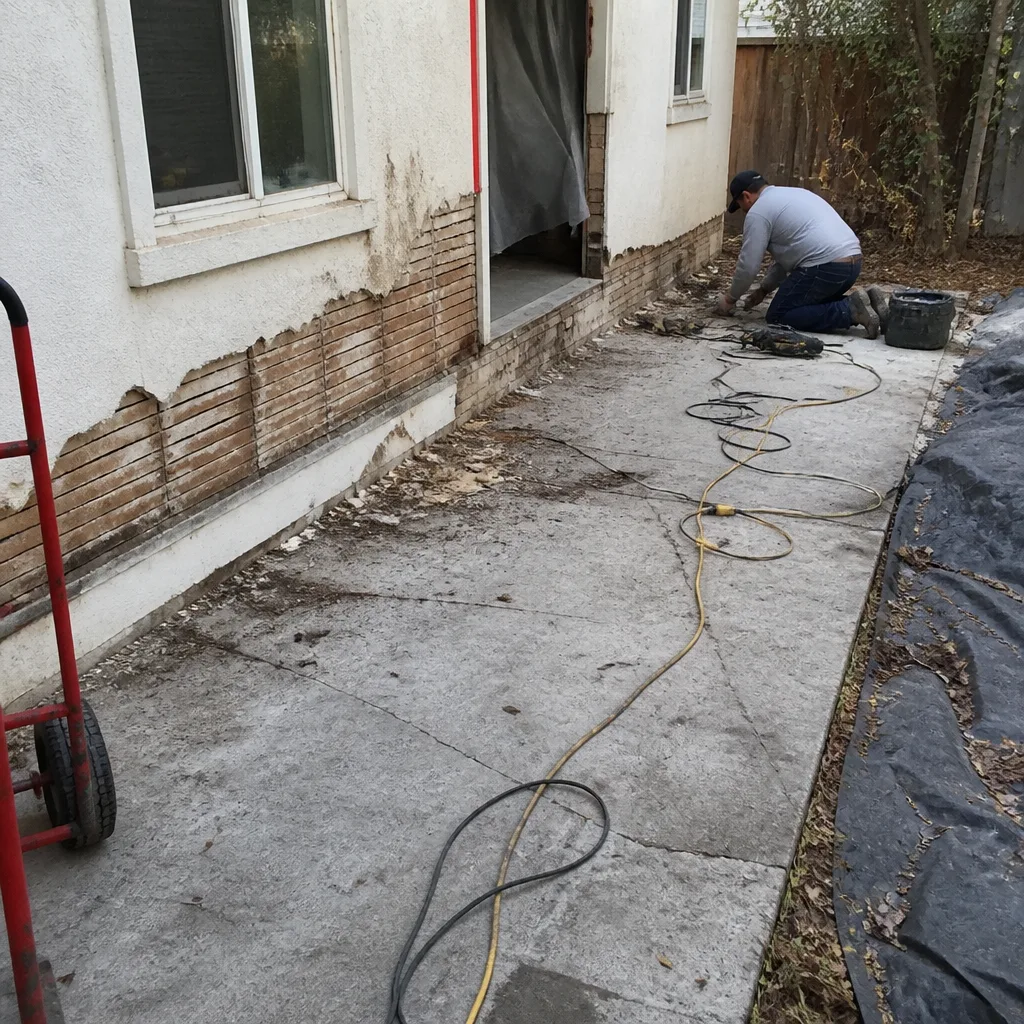 Before
 After
 Before
 After
Replacement Cost & What’s Included
Here’s the price picture for Ventura, in writing, the way we do every job:
| Scope | Installed Price Range |
|---|---|
| Full home addition with Caesarstone surfaces throughout | $45,000 – $130,000 |
| Detached ADU construction with Caesarstone counters | $90,000 – $220,000 |
| Garage conversion to living space with Caesarstone kitchenette | $30,000 – $80,000 |
| Countertop replacement only (Caesarstone slab, fabricate, set) | $2,000 – $6,500 per surface |
| Island rework: new support, new slab, matched seams | $3,000 – $10,000 |
What drives the range is slab thickness, edge profile, the size of the overhang, and how much substrate repair is needed before the new surface goes in. If the original installers skipped the steel sub-top or corbels, that work has to happen first or the new slab fails the same way. Our price is written before we start, and it’s the price on the invoice. If we uncover hidden damage mid-project, we stop, show you photos, and get a written change order approved before touching it. No surprises at the door, no “oh by the way” line items.
Every Caesarstone surface we install carries our Done Right Promise: if it’s not right, we make it right, in writing, for a full year after we close the job.
DIY or Call Us?
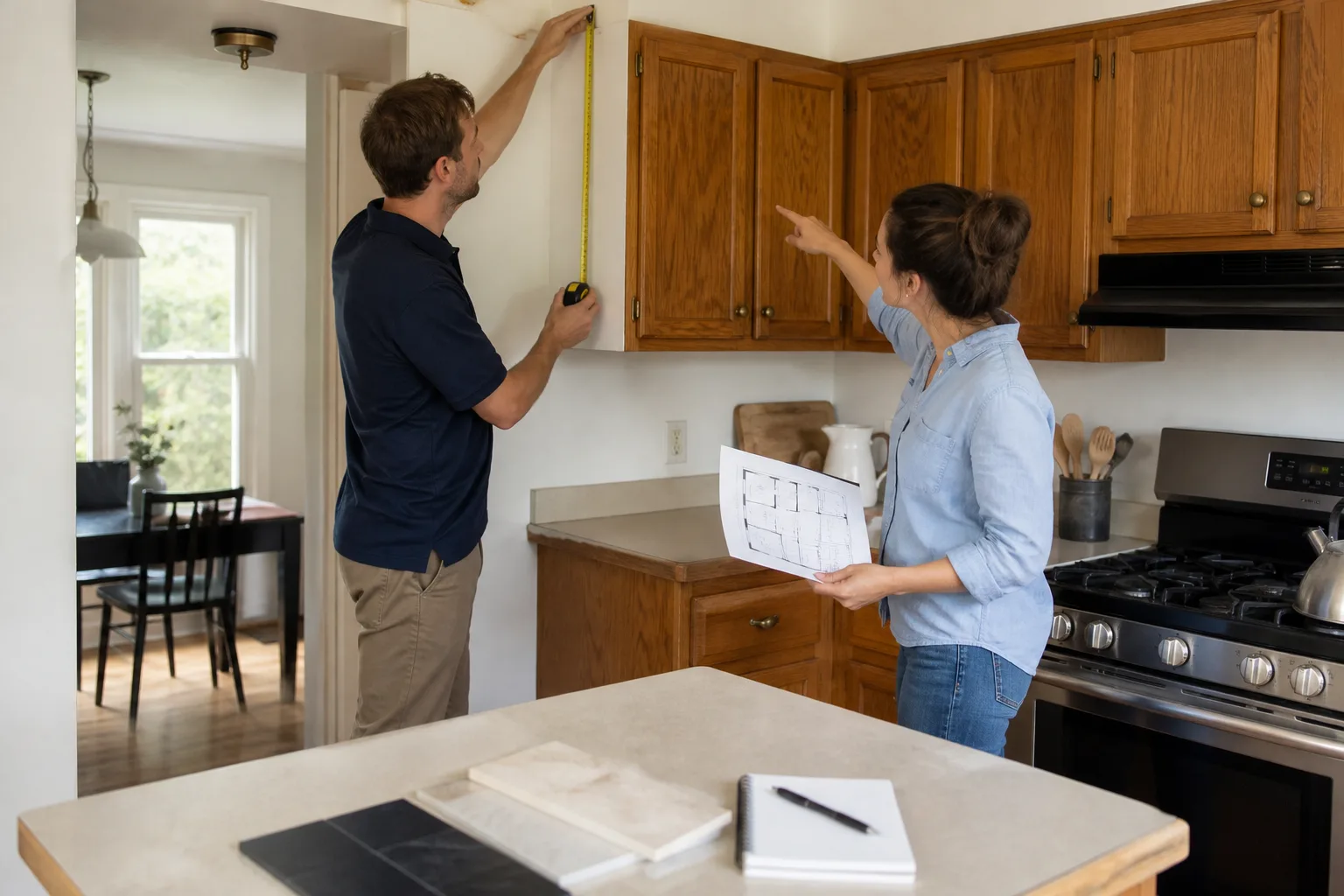
You can check the obvious things yourself. Press down on the overhang and see if it moves. Run a fingernail across each seam. Look for cracks in the substrate underneath the slab at the support points. Those checks tell you whether you have a problem.
What you shouldn’t do is try to re-set or replace quartz yourself. A full slab weighs hundreds of pounds. Stone that drops on a foot or a hand isn’t something epoxy and a band-aid fixes. Fabricating a Caesarstone seam also requires a seam setter, suction cups, and color-matched adhesive – this isn’t a caulk gun job. If the substrate needs re-leveling, that’s cabinet and framing work, and getting it wrong means the next slab cracks the same way the last one did. Call us at (831) 604-3426 and we’ll come out, check the whole installation, and give you a written quote before any tools come off the truck.
FAQs
A properly supported Caesarstone surface should easily last 20-plus years indoors; we see quartz from the early 2000s in Ventura that still looks clean and tight when the substrate was done right. Failures are almost always support or seam problems, not the material itself.
Small perimeter chips can be filled and color-matched by a good fabricator, and we do that where the stone is otherwise sound. Cracks that run through the slab or open seams that move mean the structure underneath is failing, and patching the surface without fixing the support just buys you six months. Call (831) 604-3426 and we’ll tell you straight which category yours is in.
A countertop-only swap typically runs 2 to 4 days from template to final set, depending on slab availability and fabrication. A full addition or ADU with Caesarstone surfaces is a 2 to 6 month project, and we’ll give you a written schedule with live photo updates at every phase.
We order Caesarstone slabs directly from authorized fabricators in the Ventura market and handle templating, cutting, and installation in-house. We don’t stock slabs on a shelf because quartz is quarry-matched; we order per project so your replacement matches your existing stone. We also stock compatible parts and materials for KraftMaid, Cambria, and Silestone installations when the build spans multiple brands.
If your Caesarstone addition or ADU is showing cracks, chips, or sagging overhangs, call (831) 604-3426 to schedule a free estimate. We’ll put a written price in your hand before any work starts, and you’ll know exactly who’s showing up and when.
Written by Sawyer Remodel Ventura, Sawyer Remodel Ventura at Sawyer Remodel Ventura, serving Ventura and nearby areas.