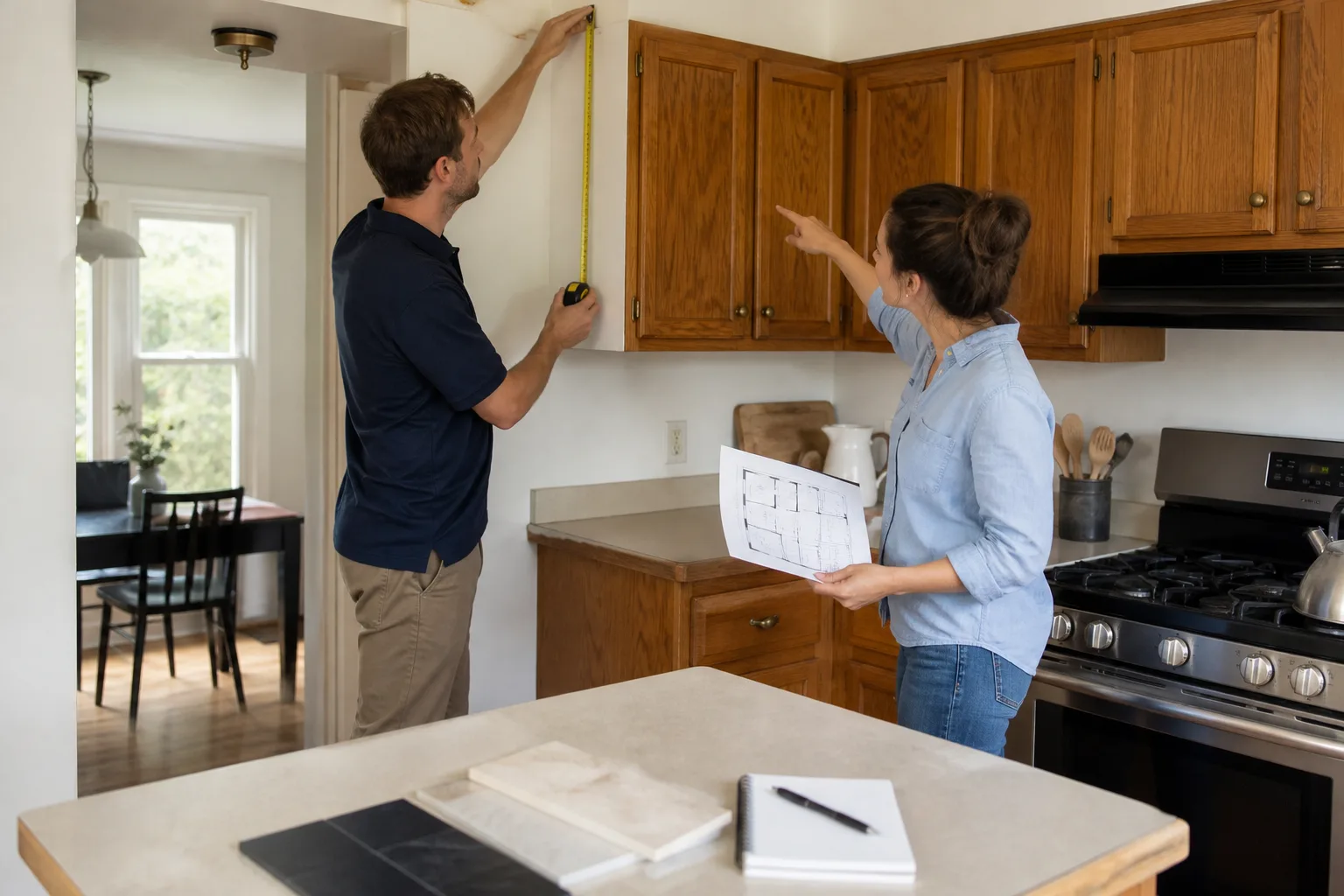
Free written scope consultation - allowances, timeline, and change-order rules on paper before a single trade is scheduled
Plant Prefab Home Additions & ADU: The Ventura Owner’s Guide
Plant Prefab home additions and ADU projects in Ventura typically run $45,000 – $130,000 installed, depending on square footage, site prep, foundation work, and utility connections. We handle the full build, from permit drawings through final inspection, and we work with Plant Prefab panelized systems regularly. Most Ventura owners call us when an existing prefab addition starts showing water intrusion at the panel joints, or when they’re ready to add an ADU but hit a wall on local setback and coastal wind requirements.
Here’s the thing about Plant Prefab construction: the factory-built panels are excellent, but everything that happens at the connection points determines whether the structure holds up. In Ventura’s salt air and afternoon winds off the Pacific, those connections fail before the panels do. Flashing at the roofline, the marriage line where the addition ties into the existing home, and the sill plate where the panel meets the foundation. That’s where we spend most of our repair hours.
If you’ve got a Plant Prefab addition that’s showing its age, or you’re weighing an ADU on your Ventura lot, you’re in the right place. Below we break down compatibility, failure signs, real pricing, and whether you should touch it yourself.
Which Plant Prefab Models This Applies To
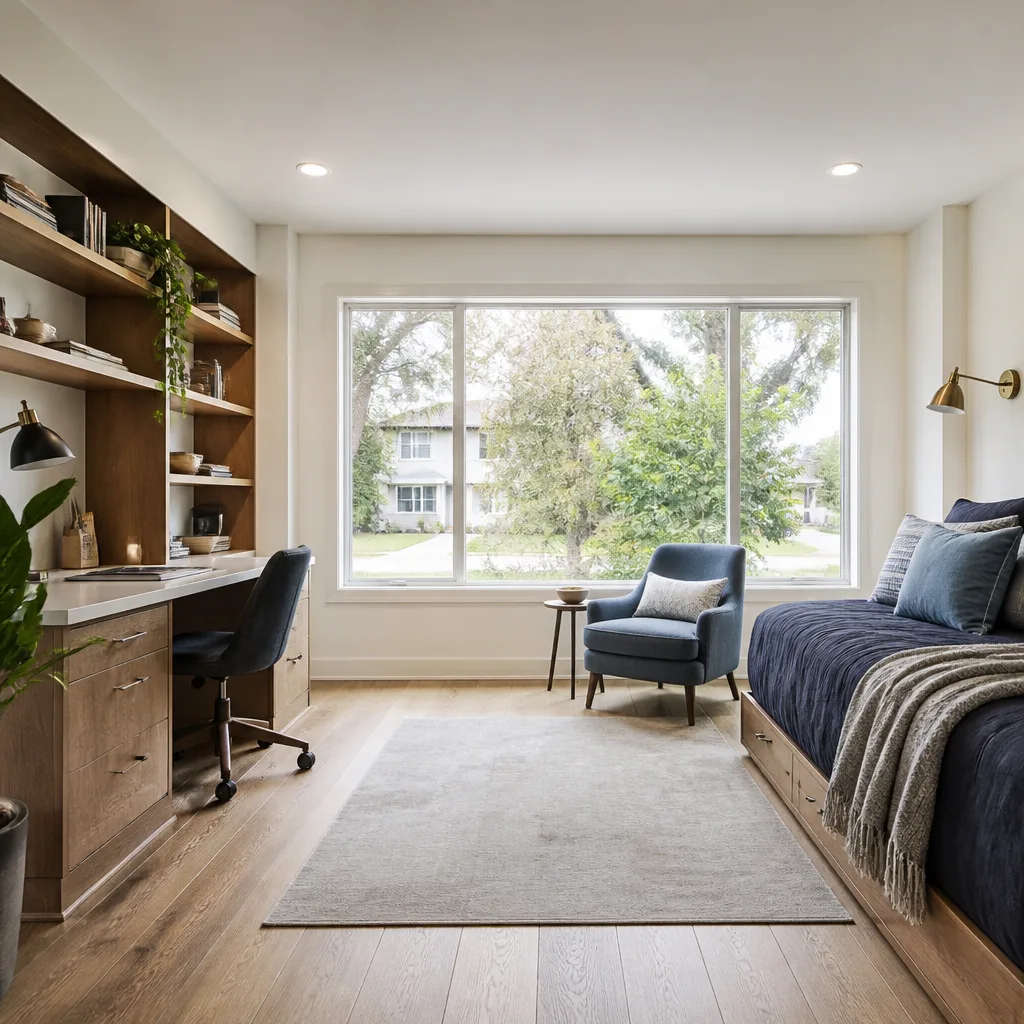
Plant Prefab builds with a panelized system across their LivingHomes and custom lines, and we’ve worked on both. The compatibility questions we get most often from Ventura owners come down to three things: the panel connection hardware, the roof membrane system, and the exterior cladding attachment points.
If your addition was built with Plant Prefab’s standard wall panels, the connections use a specific bolt-and-bracket assembly at the panel seams. These aren’t off-the-shelf Simpson brackets you can grab at any lumberyard. We stock the correct replacement hardware for most Plant Prefab panel generations, and when we’re doing a new ADU, we order the OEM connection kits directly so the engineering calcs stay intact.
The aftermarket question is real. There are generic panel brackets that look close, but we won’t use them on a Plant Prefab structure. The panel thickness, the embed depth, the galvanizing spec, it all matters. If a previous contractor or handyman substituted generic hardware, that’s usually where we find cracked drywall, separation at the ceiling line, or worse, movement at the roofline. We flag it, price the correct fix, and move on.
One more gotcha: Plant Prefab’s roof panels in older LivingHomes used a specific EPDM transition detail where the prefab roof ties into site-built framing. If that transition wasn’t done right during the original install, or if it’s been patched with the wrong sealant, you’ll see water stains inside within the first three to five years in Ventura’s winter rain season. We see it all the time in the hills above downtown and out toward the Avenue.
Styles & brands we work with
- Kitchen remodeling
- Bathroom remodeling
- Home additions & ADU
- Roofing
- Windows & doors
- Driveway & pavers
- Fence
Signs Your Plant Prefab Home Additions & ADU Is Failing
Here’s what we find when a Plant Prefab structure is going bad. If any of these sounds familiar, call sooner than later. Small fixes are cheap; structural repairs are not.
- Water staining at the ceiling-to-wall junction on the windward side. The roof panel transition flashing has failed or was never sealed properly. This is the number one failure we see on Plant Prefab additions within ten years of installation, especially on structures exposed to Ventura’s prevailing west winds.
- Hairline cracks running diagonally from window corners or door headers. The panel connections are shifting. Could be foundation settlement, could be undersized connection brackets, could be seismic movement. In Ventura, it’s often a combination of all three.
- Doors and windows that stick seasonally. Panel movement from moisture cycling. The prefab panels are dimensionally stable, but the site-built portions of the addition expand and contract at different rates, and the joints start to bind.
- Musty smell or visible mold at the baseboard level on exterior walls. The sill plate flashing or the panel-to-foundation seal has failed. Water is wicking up from the foundation or in from the exterior cladding. In coastal Ventura neighborhoods near the water, this happens faster than inland.
- Sagging or soft spots in the roof deck. This is beyond a sealant issue. The roof membrane has been compromised long enough that the substrate is rotting. By the time you feel it, you’re looking at replacement, not repair.
See the difference
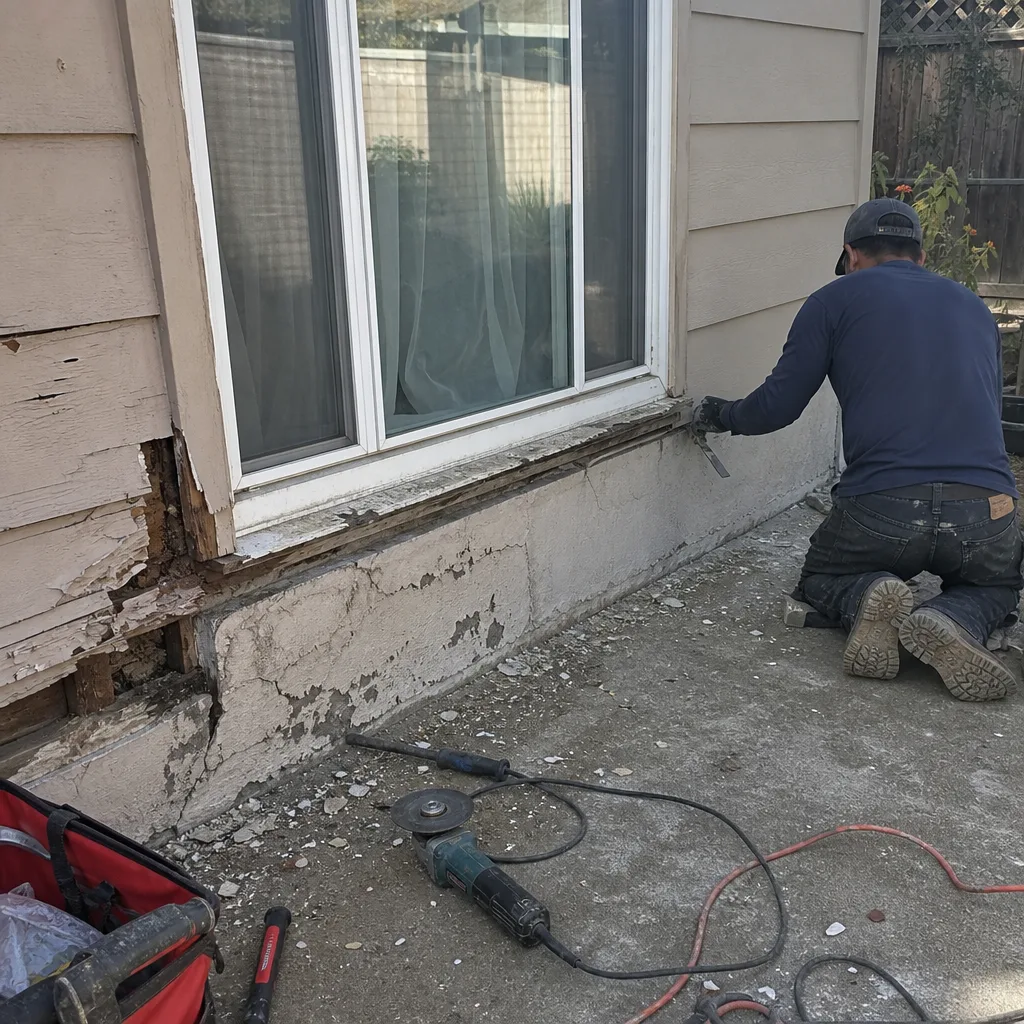 Before
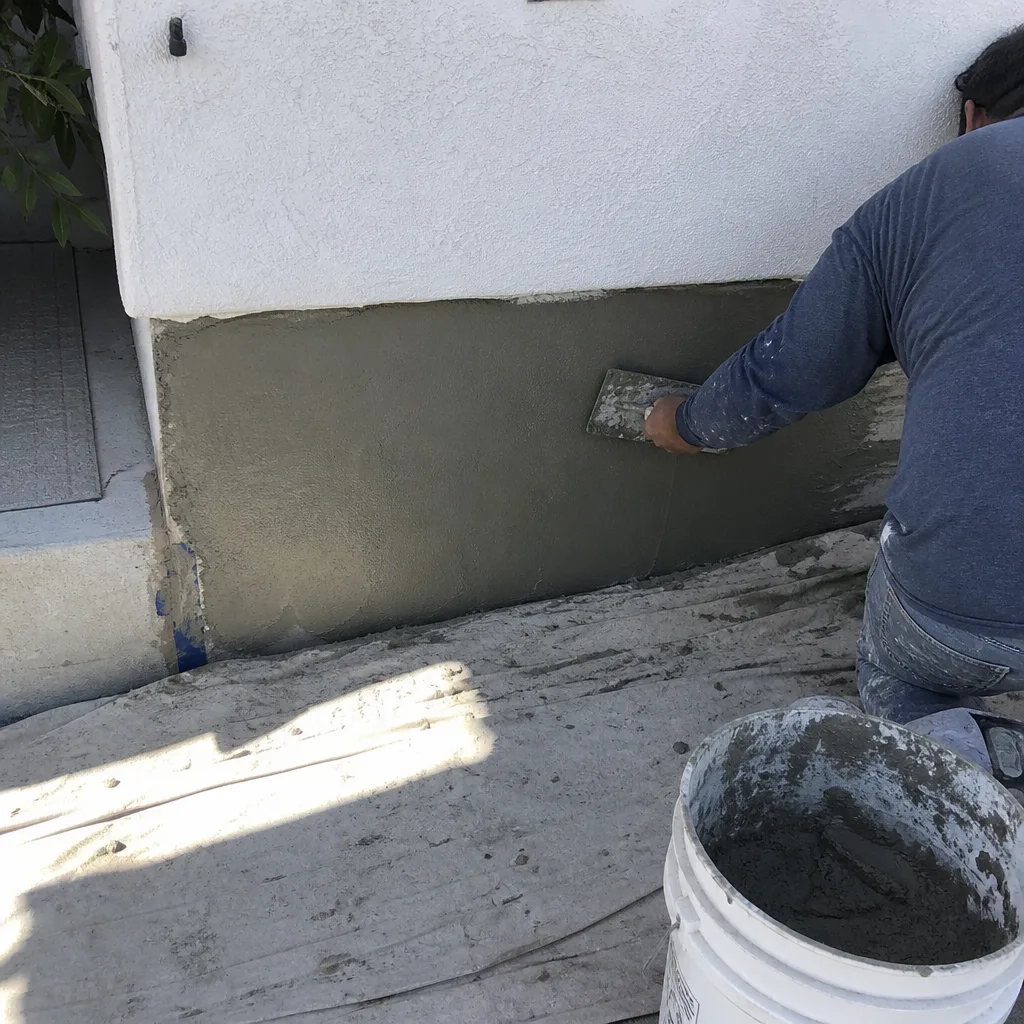 After
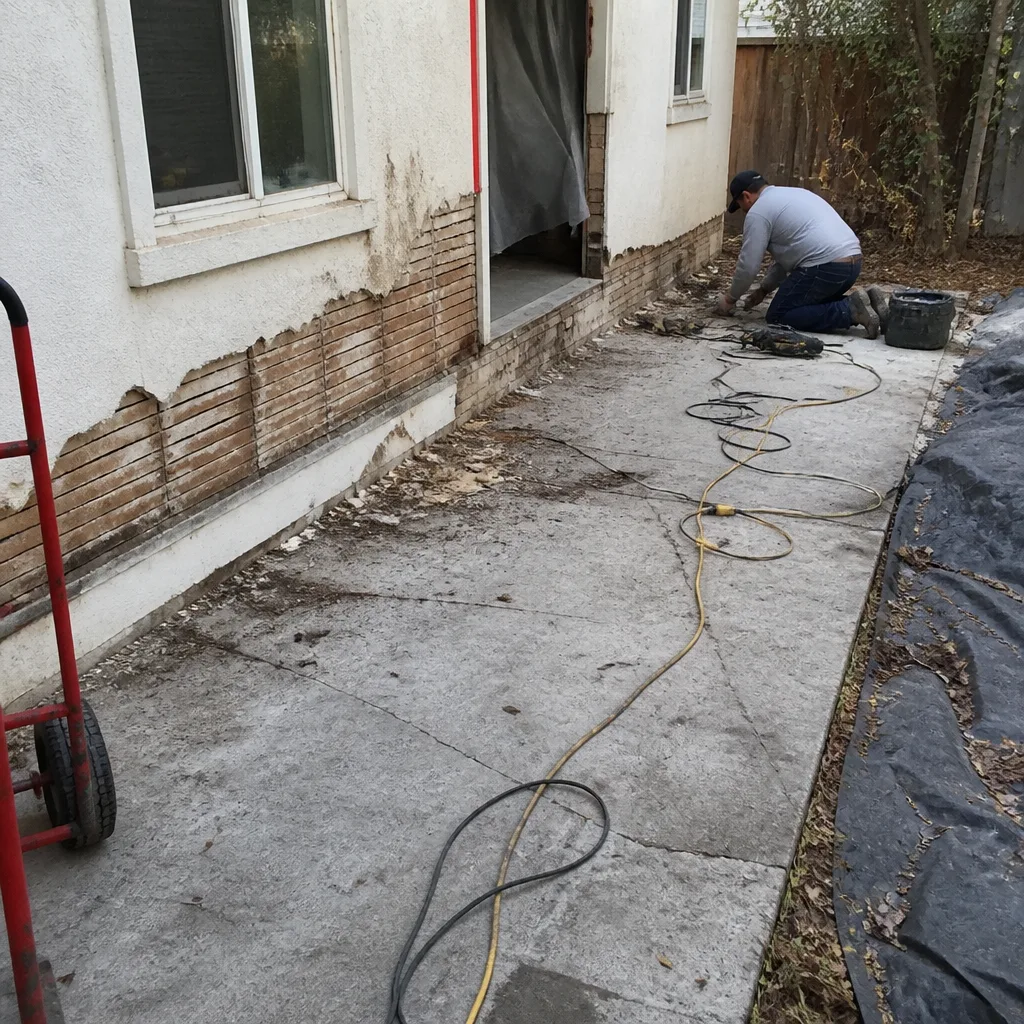 Before
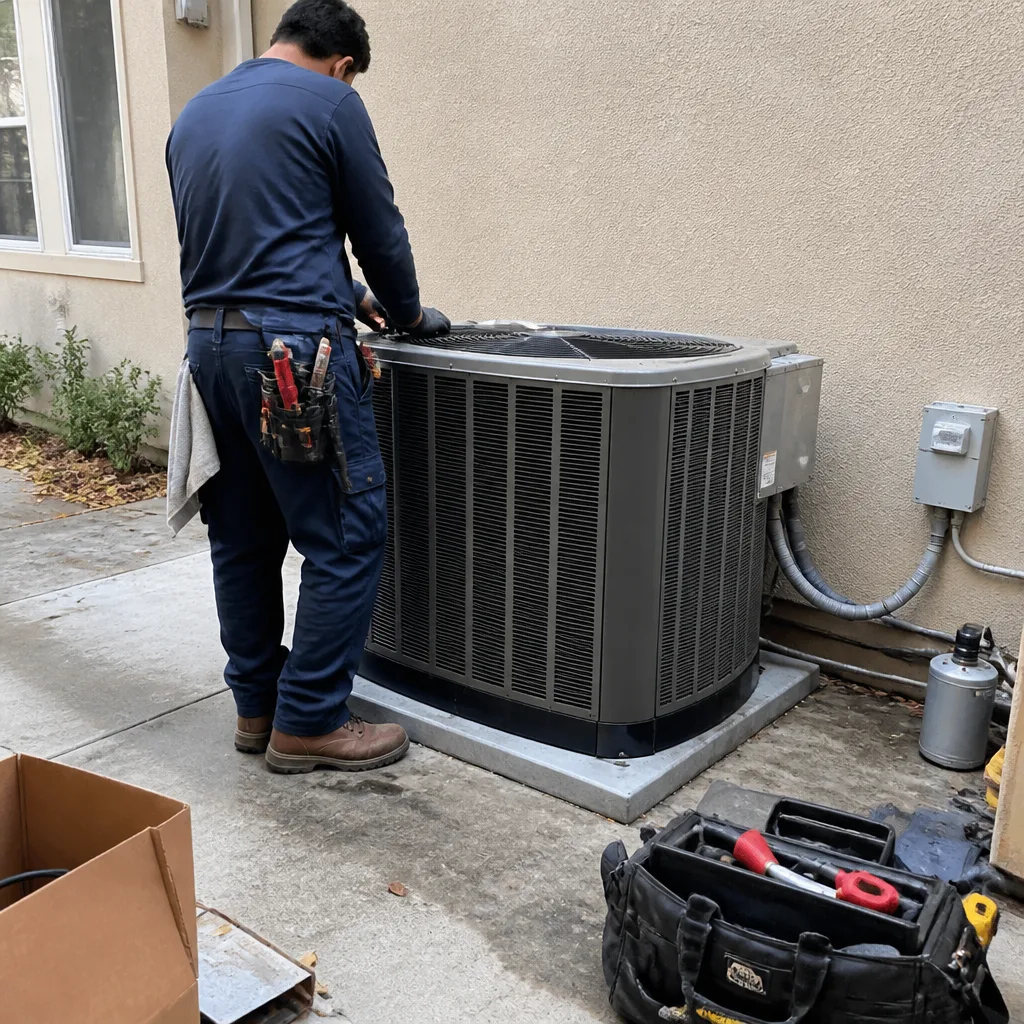 After
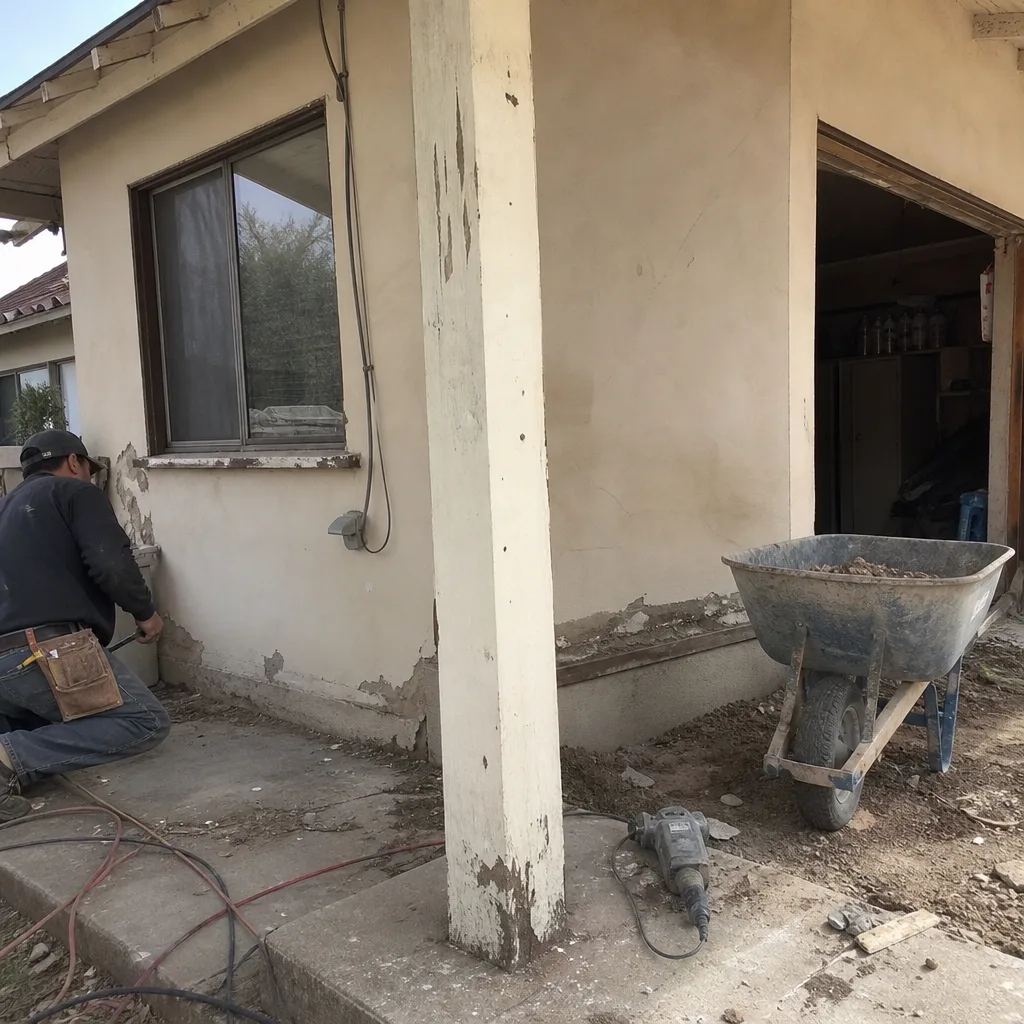 Before
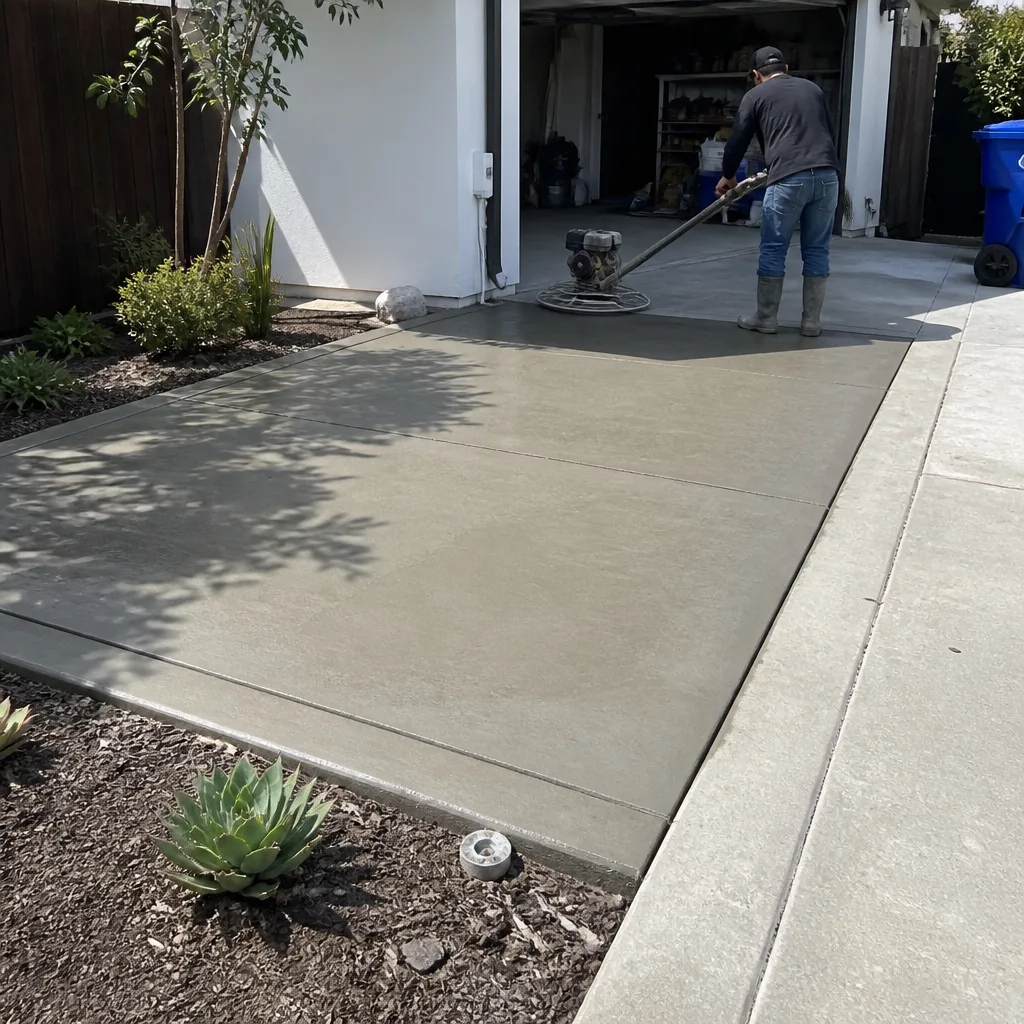 After
Replacement Cost & What’s Included
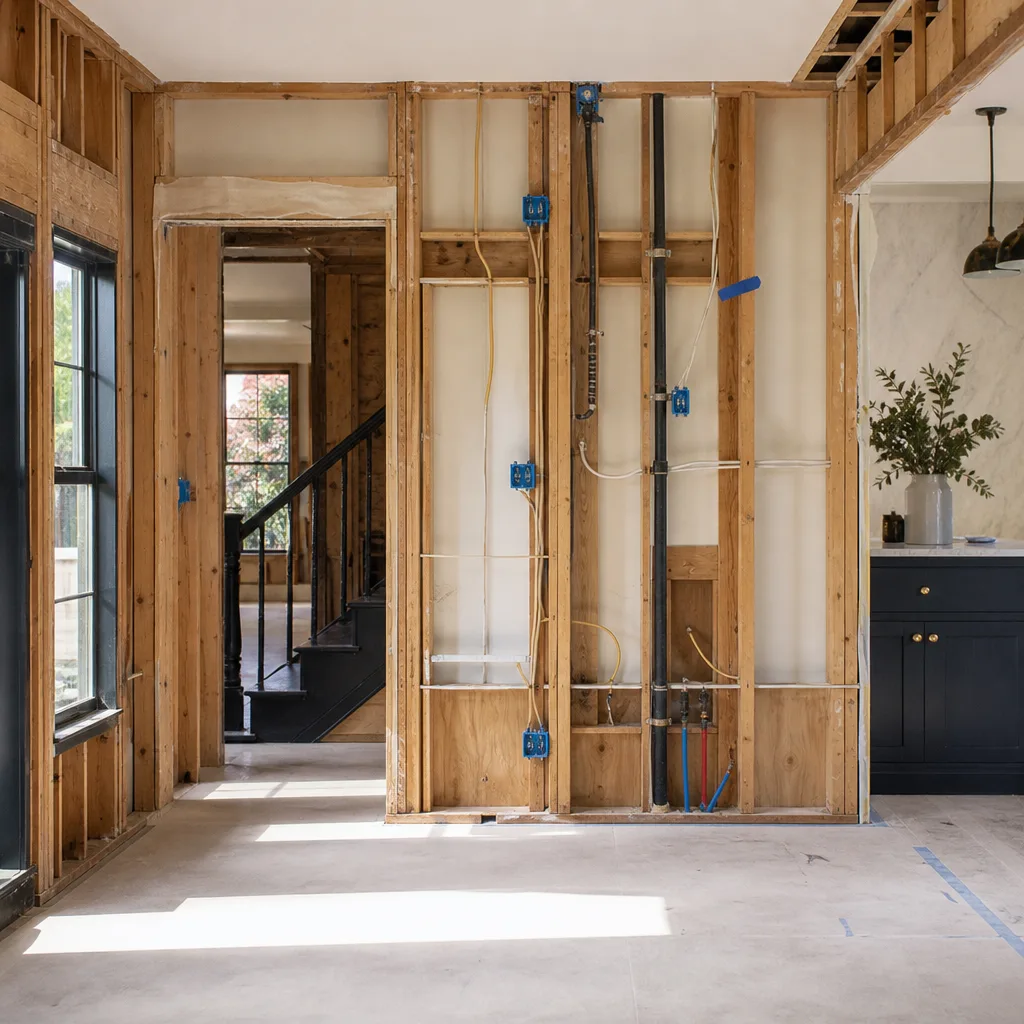
For a full Plant Prefab-compatible home addition or ADU in Ventura, plan on $45,000 to $130,000. That range covers everything from a modest 400-square-foot addition to a full one-bedroom ADU with kitchen and bath. The spread comes down to site conditions, utility runs, foundation requirements on your specific lot, and finish level.
Here’s the honest break on what drives that number:
- Foundation and site work: $12,000 – $35,000 depending on slope, soil, and access. Ventura lots on hillsides cost more. Flat downtown lots cost less.
- Structural panel package and connection hardware: $18,000 – $45,000 for the prefab system and the correct OEM connectors.
- Mechanical, electrical, and plumbing rough-in: $8,000 – $25,000 depending on how far we’re running utilities and what the panel will handle.
- Interior and exterior finishes: $7,000 – $25,000. Countertops from Cambria or Silestone, cabinetry from KraftMaid if you want it, siding that matches or intentionally contrasts.
Every quote is a written line-item price before we touch anything. You know what the materials cost, what labor costs, and what the permits cost. The number on the invoice is the number you approved. Our Done Right Promise covers the work for a full year, and we pull permits and pass inspections on every job. No exceptions, no change orders you didn’t sign off on.
For ADU construction specifically, Ventura’s permitting path is longer than most people expect. We handle it, but budget six to ten months from design to occupancy for a full ADU, and three to five months for an addition. Speed has nothing to do with it; that’s just how long the city and the coastal commission reviews take.
DIY or Call Us?
You can safely check a few things yourself. Walk the exterior after the next rain. Look for gaps at the panel seams, peeling flashing, or caulk that’s pulled away. Inside, check ceilings and baseboards for new staining. These are diagnostic, not repairs. If you climb a ladder to inspect the roofline, do it safely, and don’t get on a roof that’s steep or wet.
What you should not do is open up a wall or pull apart panel connections on a prefab structure. The connections are load-bearing, and if you loosen the wrong bracket, you’re not just looking at a cosmetic issue, you’re looking at compromised structure. The same goes for any work on the electrical rough-in inside a prefab panel. Panels don’t forgive mistakes. That’s not scare talk; it’s just the reality of how these systems are built.
If you want the job done right, call (831) 604-3426. We’ll come out, inspect the existing structure, and give you a written price. If it’s a new ADU you’re after, we’ll walk the lot with you and tell you what’s realistic before you spend a dollar on drawings.
FAQs
A properly installed Plant Prefab addition can last 50 years or more in Ventura’s climate, but the connection points and flashing typically need attention every 10 to 15 years. The coastal air accelerates corrosion on exposed hardware, and the seasonal expansion and contraction from temperature swings puts real stress on the panel joints. Regular inspection of the roofline transitions and sill plates catches small issues before they become structural.
In most cases, yes. Failed flashing, cracked stucco at panel joints, and even rotted sill plates can be repaired without tearing down the whole structure. We’ve restored additions that other contractors said needed to be demolished. The key is catching it before the panel cores are compromised. Call (831) 604-3426 and we’ll assess what’s actually wrong and what it costs to fix.
Plan on six to ten months from design to occupancy for a new ADU in Ventura, with permits taking two to four months of that timeline. The coastal review process adds time on lots west of the freeway. We handle all of it, and we give you a schedule up front with the written price.
We keep the common repair items on hand: OEM connection brackets for most Plant Prefab panel generations, the correct flashing profiles for roofline transitions, and the sealants specified for prefab panel systems. For new builds, we order the full connection kit directly from the manufacturer so the engineering stays intact. We’re an independent contractor serving Ventura, not affiliated with Plant Prefab, but we know their systems inside and out. Call (831) 604-3426 for an exact quote; estimates are free.
Written by Sawyer Remodel Ventura, Sawyer Remodel Ventura at Sawyer Remodel Ventura, serving Ventura and nearby areas.