
Free written scope consultation - allowances, timeline, and change-order rules on paper before a single trade is scheduled
Silestone Home Additions & ADU: The Ventura Owner’s Guide
If you’re planning a home addition or ADU in Ventura with Silestone surfaces, you’re looking at an installed range of $45,000 to $130,000 for the addition itself, with Silestone countertops adding $2,000 to $6,500 depending on square footage and edge profile. We stock and install Silestone-compatible materials for kitchens, bathroom vanities, and ADU wet bars throughout Ventura, and most countertop work is measured, cut, and installed within one to two weeks of template. Most owners discover the “failed part” here isn’t the Silestone itself, it’s the substrate under it, the seam, or the original install that was rushed. The stone rarely fails. The install does.
Which Silestone Models This Applies To
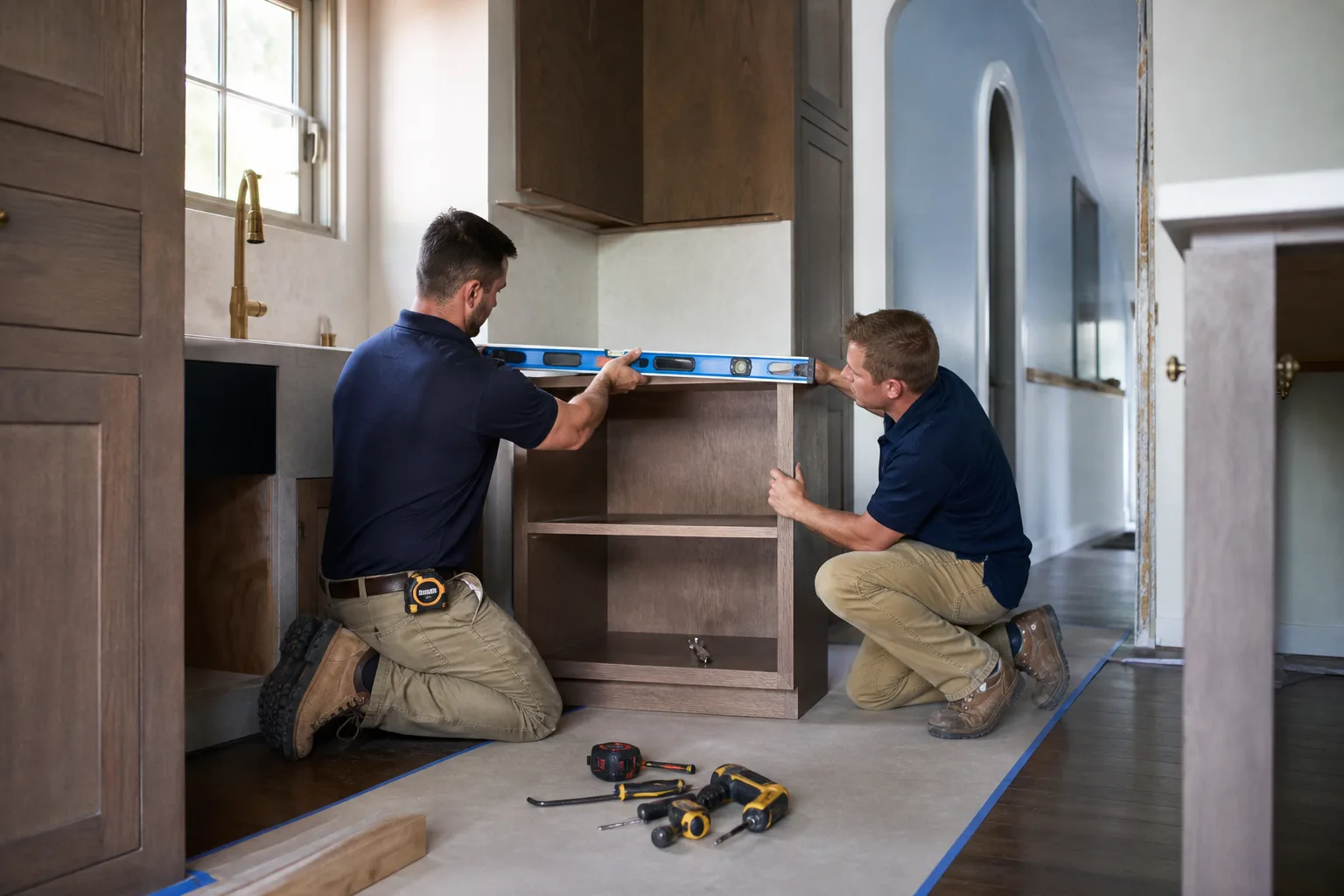
Silestone is a quartz composite made by Cosentino, and the brand runs three main lines that show up in Ventura homes: the Classic series (the workhorse, most common in rentals and flips), the Loft series (softer veining, popular in Midtown remodels), and the Sunlit Days collection (matte finish, newer builds). The compatibility issue with additions and ADUs isn’t the stone itself, it’s the thickness and the substrate. Silestone slab comes in 1.2cm, 2cm, and 3cm thicknesses. 3cm doesn’t need plywood under it, 2cm usually does, and 1.2cm absolutely does. If an original countertop was installed with the wrong substrate, you’ll see flex, seam separation, or cracking at the sink cutout within a few years.
To identify what you have, look under the edge of the countertop with a flashlight. Cosentino stamps the backs of slabs with a lot number and series code. No stamp? Pull a drawer and check the underside near the front edge. If you’re matching existing Silestone for a new addition or ADU, we can order from current production, but color lots vary. A White Zeus slab cut in 2019 won’t perfectly match a White Zeus slab cut today. We tell every Ventura client this before they buy, because nobody wants a kitchen island that’s one shade off from the perimeter counters.
For ADU work specifically, we often recommend a Silestone Classic color for the kitchen and a matching edge profile, not a matching slab. It keeps the budget reasonable and sidesteps the lot-matching problem entirely.
Styles & brands we work with
- Kitchen remodeling
- Bathroom remodeling
- Home additions & ADU
- Roofing
- Windows & doors
- Driveway & pavers
- Fence
Signs Your Silestone Home Additions & ADU Is Failing
Here’s what we see in Ventura homes, from Eastside bungalows to newer ADU builds near the college:
- Seam separation at the joint. Quartz expands and contracts with temperature. If the seam was cut too tight or the adhesive was mixed wrong, the seam opens up and collects grime. That’s not a stone problem, it’s an install problem, and it’s repairable without replacing the slab.
- Cracks radiating from the sink cutout. This is the classic 1.2cm-thin-slab-on-bad-substrate failure. The weight of a full sink and dishes stresses the narrow front rail until it cracks. Once it cracks, replacement is the fix.
- Chipping at the edge, especially near the dishwasher. Dishwasher heat and steam delaminate poor edge adhesion over time. You’ll see small crescent chips popping off the front edge. We see this constantly in rental ADUs where the original install was done fast and cheap.
- Staining that won’t lift, even with a quartz cleaner. Silestone is non-porous, so real staining means the surface polish has worn through or someone used an abrasive cleaner that micro-etched the resin. This happens in bathrooms with hard water in Ventura, where mineral scaling leads owners to scrub aggressively.
- Hollow-sounding spots when you knock on the counter. That’s voids in the adhesive bed. The slab isn’t fully supported, and any weight on that spot risks a crack. We find this on older additions where the original crew skimped on adhesive to save time.
See the difference
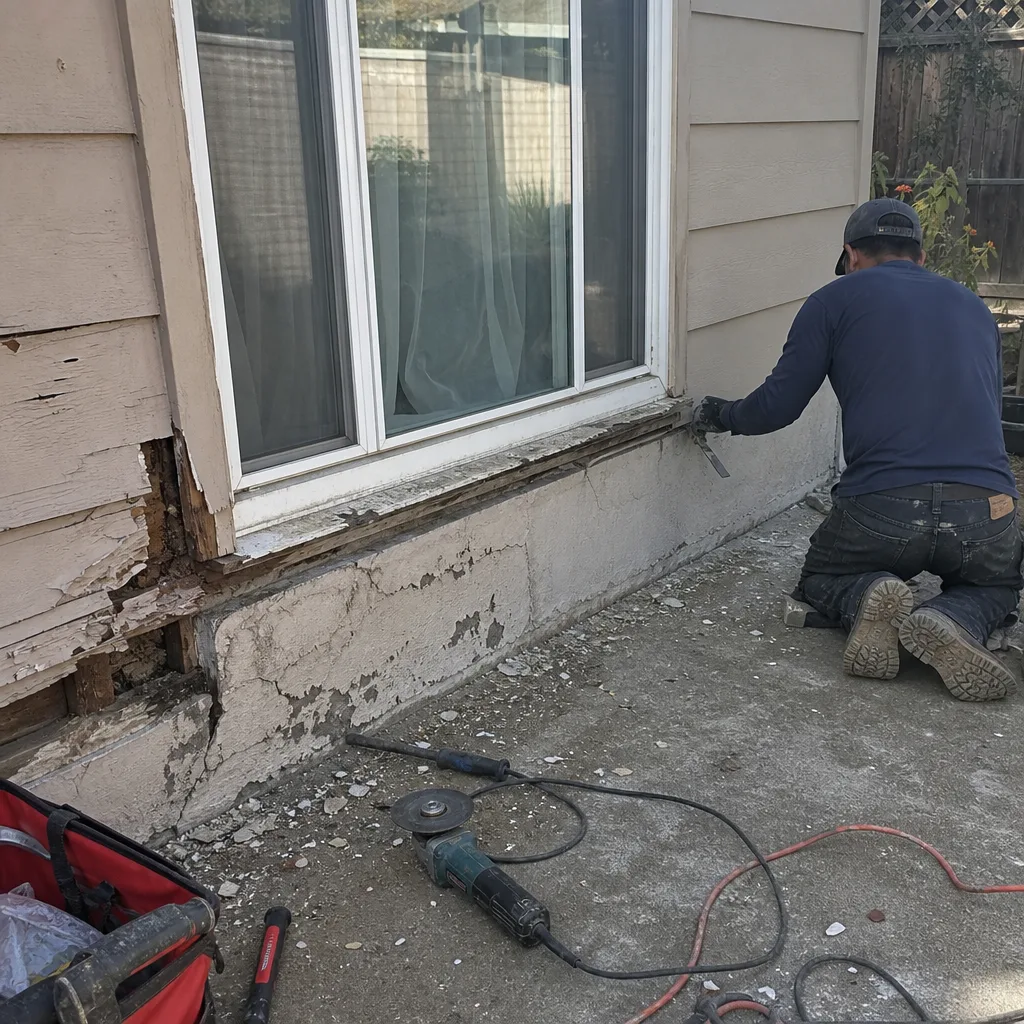 Before
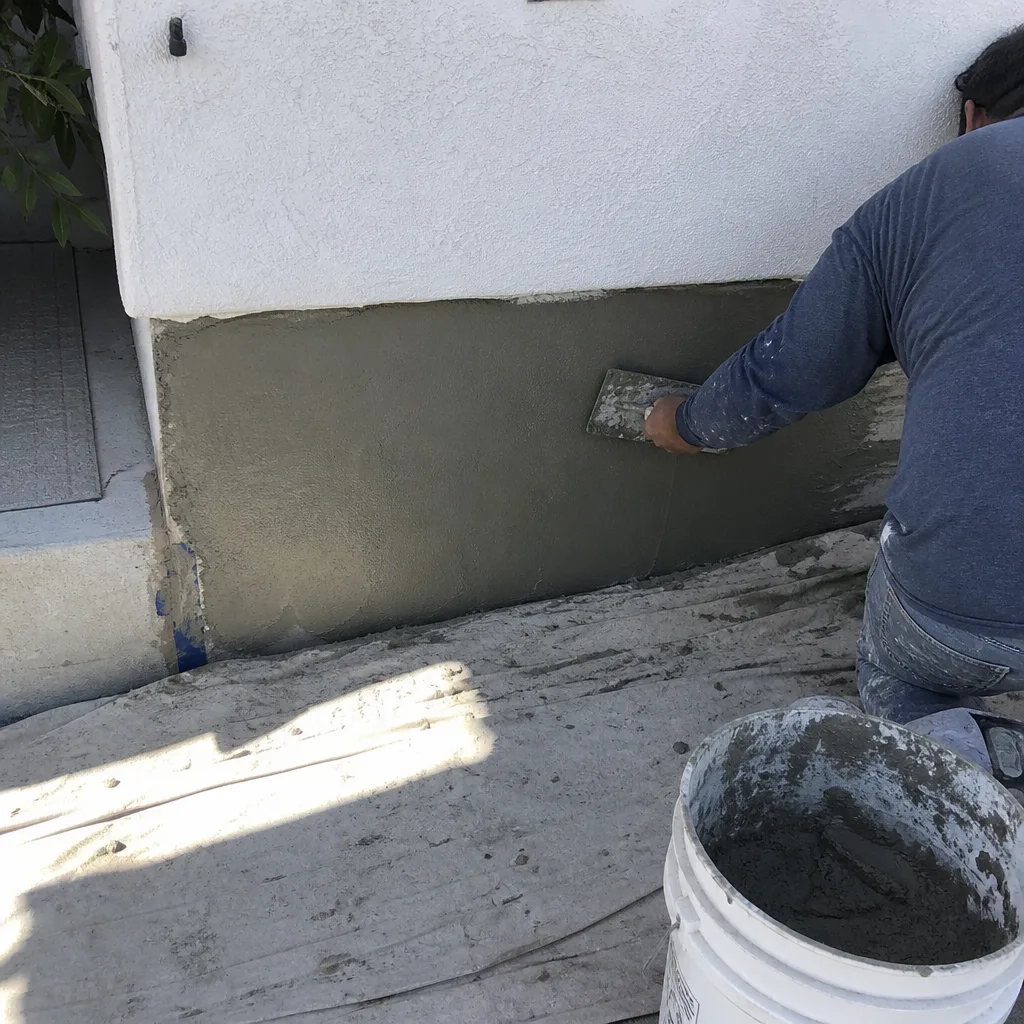 After
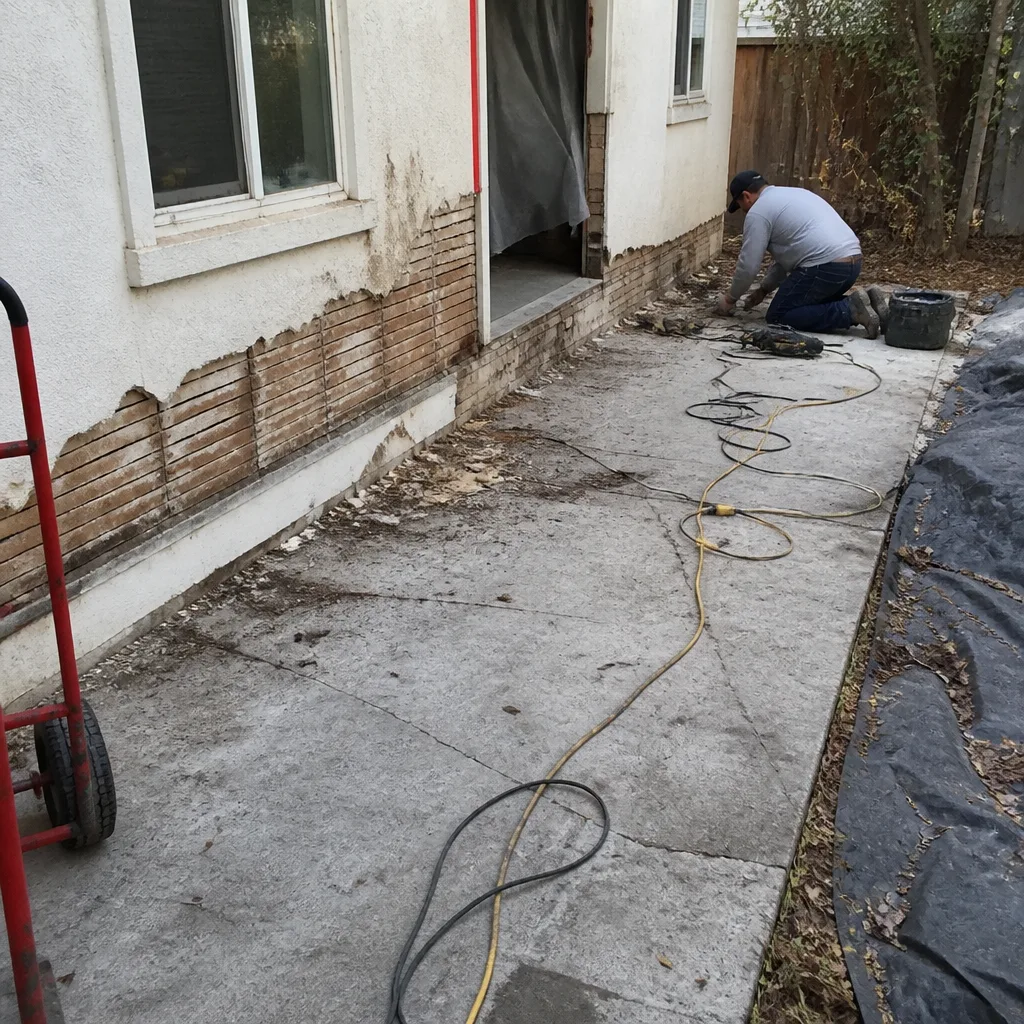 Before
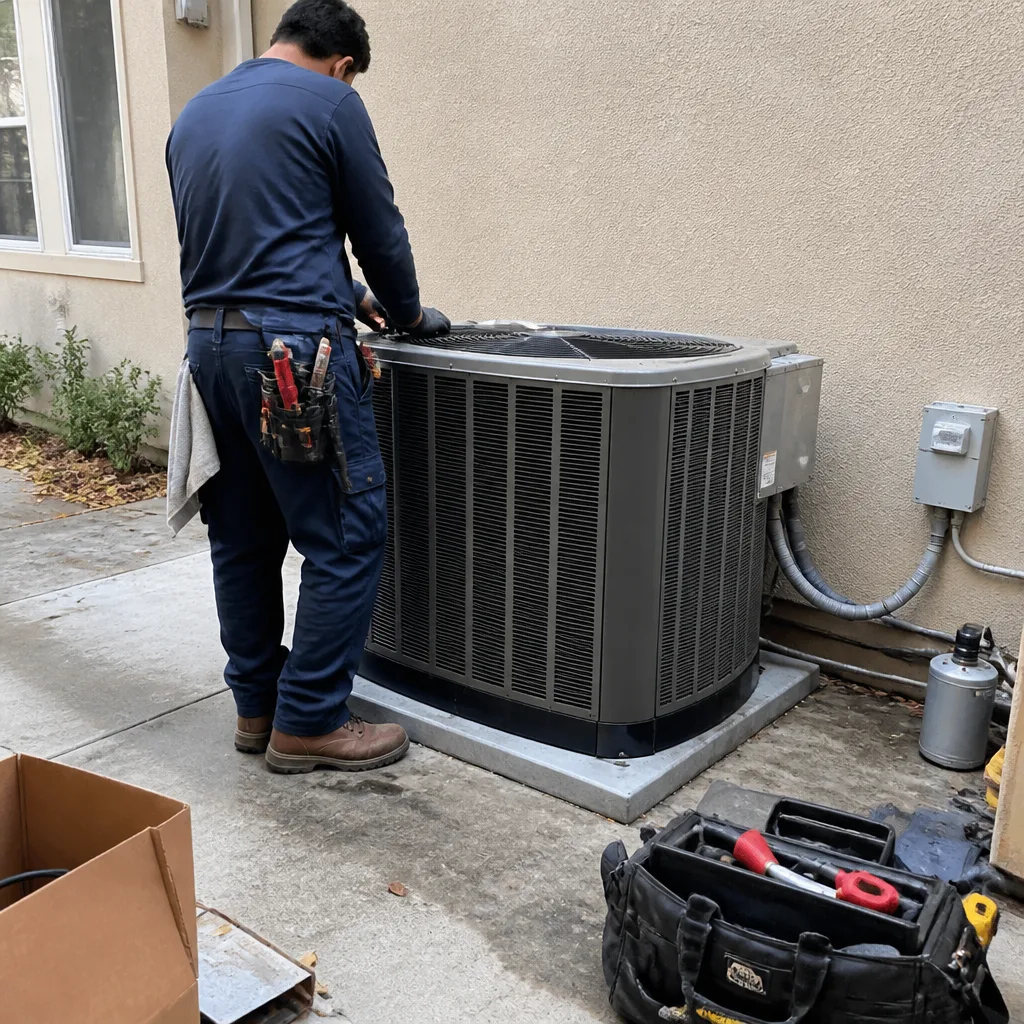 After
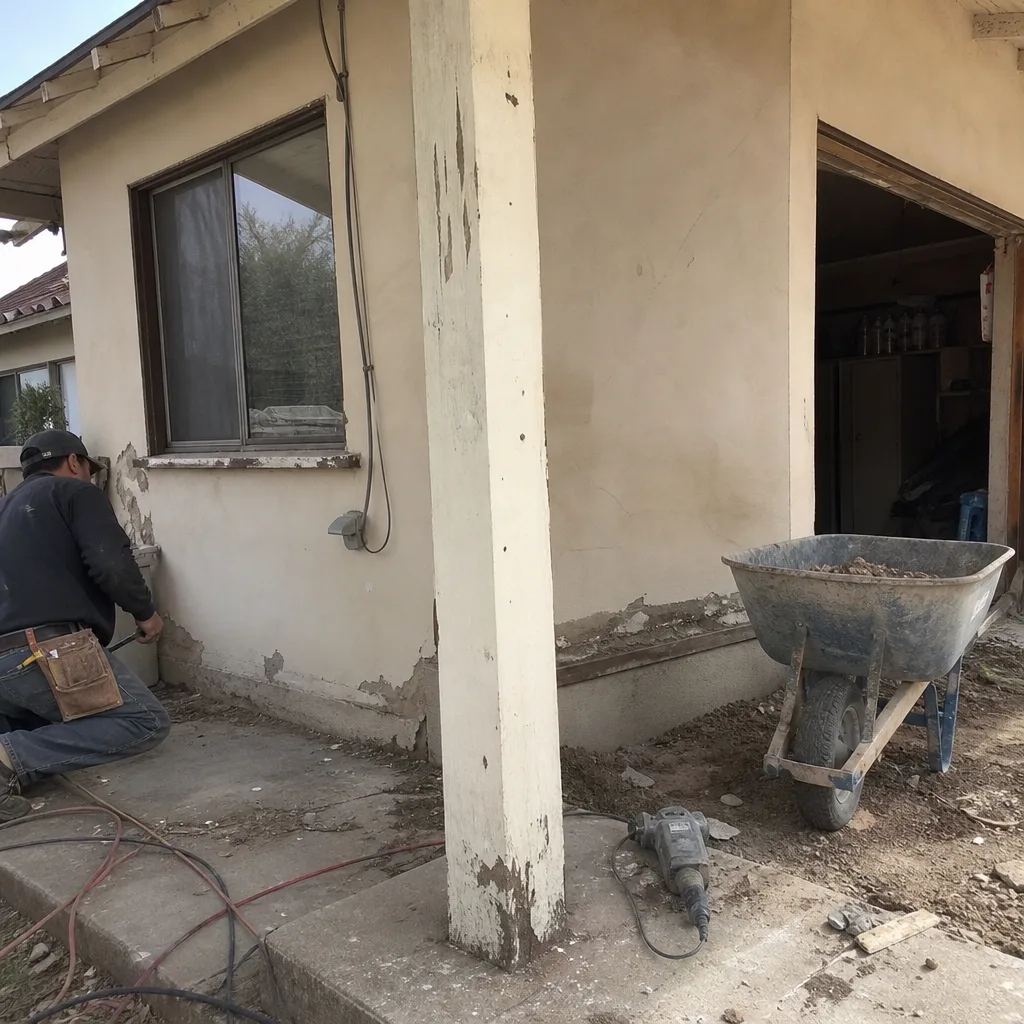 Before
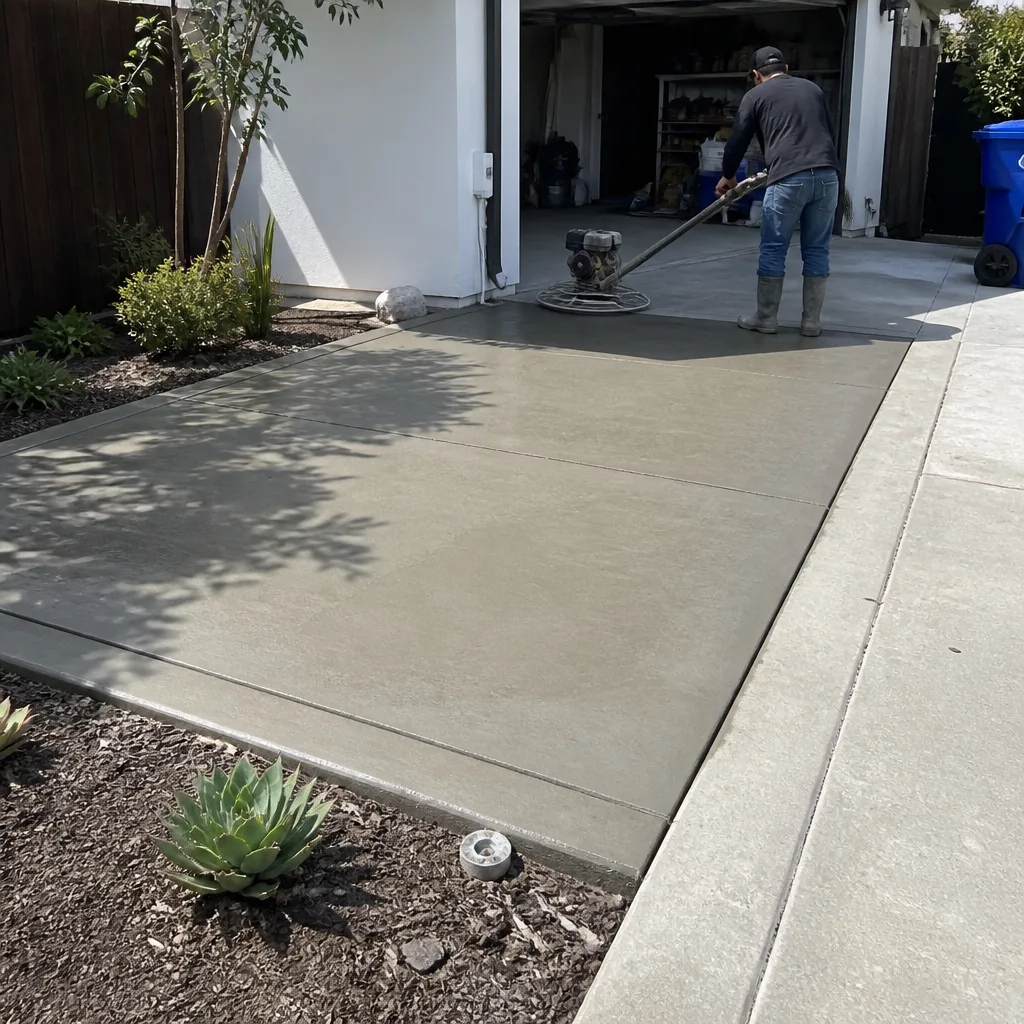 After
Replacement Cost & What’s Included
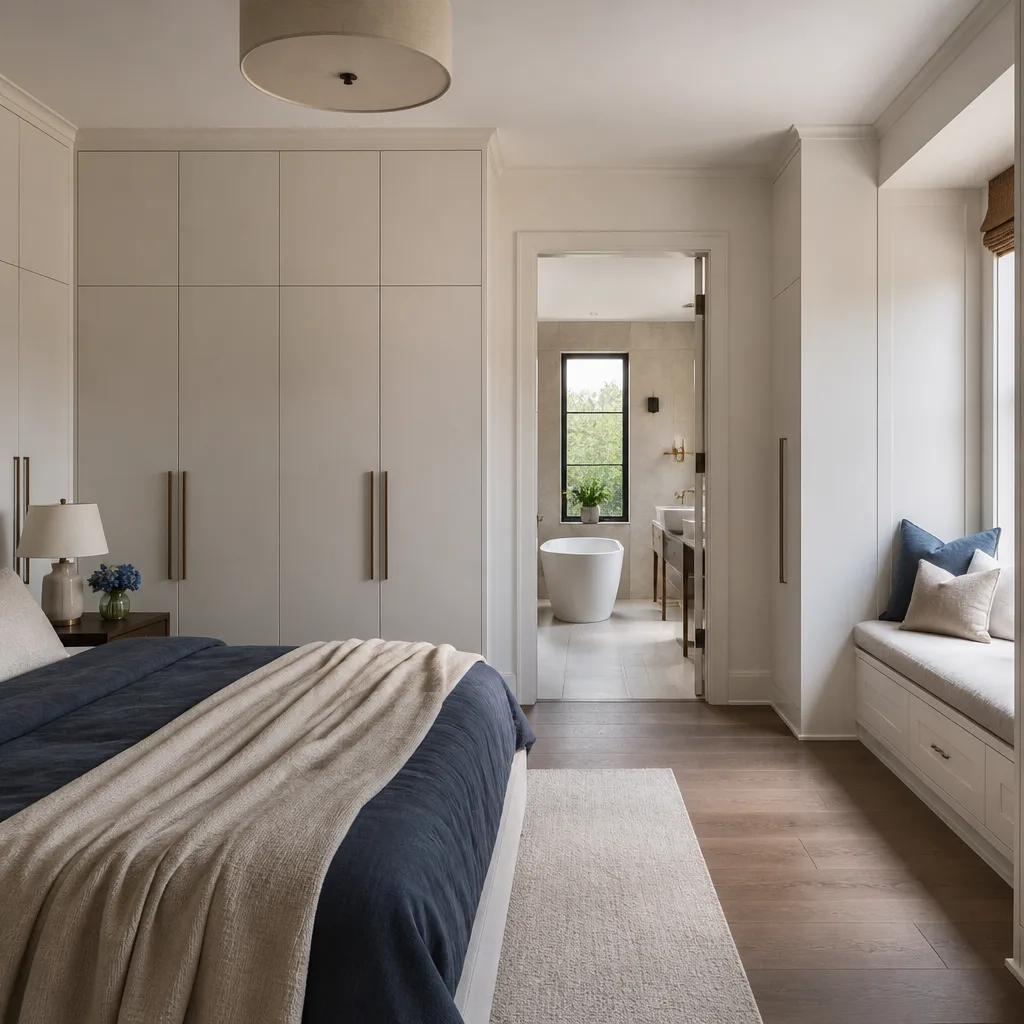
For a Silestone replacement or new install in a Ventura home addition or ADU, here’s what you’re looking at:
- Countertop installation (Silestone, any series): $2,000 to $6,500
- Kitchen island installation with Silestone top: $3,000 to $10,000
- Bathroom vanity installation with Silestone top: $800 to $3,000
- Full ADU construction including Silestone kitchen and bath surfaces: $90,000 to $220,000
- Garage conversion with Silestone wet bar or kitchenette: $30,000 to $80,000
The price range comes down to three things: slab square footage, edge profile (eased edge costs less than a full bullnose or mitered waterfall), and whether we’re doing a drop-in or an undermount sink. A written price lands in your hands before any work starts, so the number on the invoice is the number you approved. That’s how Sawyer Remodel Ventura has operated, and the Done Right Promise backs every Silestone install we do: if it’s not done right, we make it right.
DIY or Call Us?
You can check the underside of your slab for a Cosentino stamp, measure the thickness with a tape, and note where cracks or seam gaps are forming. That’s useful information to have when you call. What you should not do is attempt a quartz seam repair, edge chip fix, or substrate replacement yourself. Quartz dust from cutting or grinding contains crystalline silica. It’s a respiratory hazard. We use wet-cutting equipment and HEPA filtration on every job. The adhesives we use are two-part epoxies that require mixing within a narrow temperature window, and Ventura’s coastal humidity shifts that window enough that a DIY kit often fails within months. If a seam has opened or an edge has chipped, call us at (831) 604-3426 and we’ll give you a straight answer and a written price.
FAQs

Silestone itself should last 25 to 30 years with normal use. The install underneath it is the variable. A properly supported 3cm slab on a level substrate will outlast the cabinets it sits on. A thin slab on a bad substrate is a five-year problem waiting to happen. Ventura’s temperature swings between coastal fog and inland heat stress poorly installed seams faster than in a more stable climate. Call (831) 604-3426 and we’ll assess what you’ve got.
Seam separation and minor edge chips can usually be repaired in place with color-matched epoxy and a wet-polish to blend the surface. Structural cracks at a sink cutout or any crack that runs the full depth of the slab cannot be safely repaired, and we’ll tell you that straight before quoting anything. For stains from hard-water etching, a professional resurfacing can restore the polish on most Silestone colors. Exact pricing only comes after we see the countertop, and estimates are free.
From template to install is typically five to ten business days. Templating takes one visit, fabrication runs three to seven days depending on the shop queue, and install is usually a half-day. If we’re pulling the old slab and there’s substrate repair needed, add a day. We coordinate all of it so you’re not managing a phone tree.
We order per job from Cosentino’s distribution. Stocking full slabs makes no sense when every kitchen and ADU has different dimensions and color needs. But we do keep a range of Silestone samples in the truck, and we can often have your color selected and priced within the same visit. We also work regularly with KraftMaid for cabinetry, Cambria for alternative quartz options, and Kohler for fixtures, so your addition or ADU gets matched materials without running around Ventura yourself.
Written by Sawyer Remodel Ventura, Sawyer Remodel Ventura at Sawyer Remodel Ventura, serving Ventura and nearby areas.