Last updated October 16, 2026


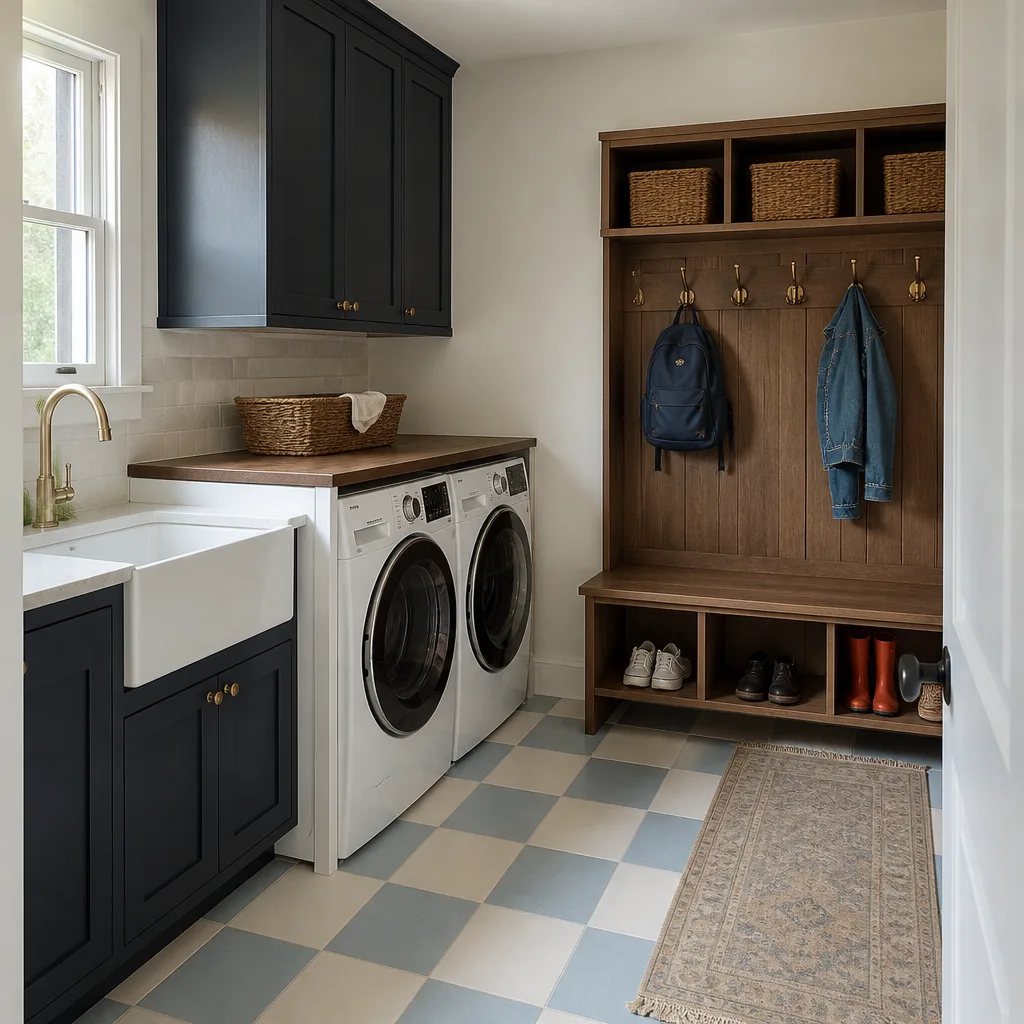





Free written scope consultation - allowances, timeline, and change-order rules on paper before a single trade is scheduled
How to Hire a Construction Contractor in Ventura: A Step-by-Step Guide
The lowest bid in Ventura wins the job roughly 60% of the time, according to repeated industry surveys, and that same low bid produces a change-order dispute or an incomplete project at a statistically much higher rate than the middle bid. The number isn’t the problem. The conversation that should happen before the number is the problem. This guide-along with our Complete Guide to Construction in Ventura-walks you through the exact framework to separate a contractor who works Ventura regularly from one who’s filling a gap in their schedule, because those two contractors will produce wildly different outcomes on a coastal California project.
Quick Answer
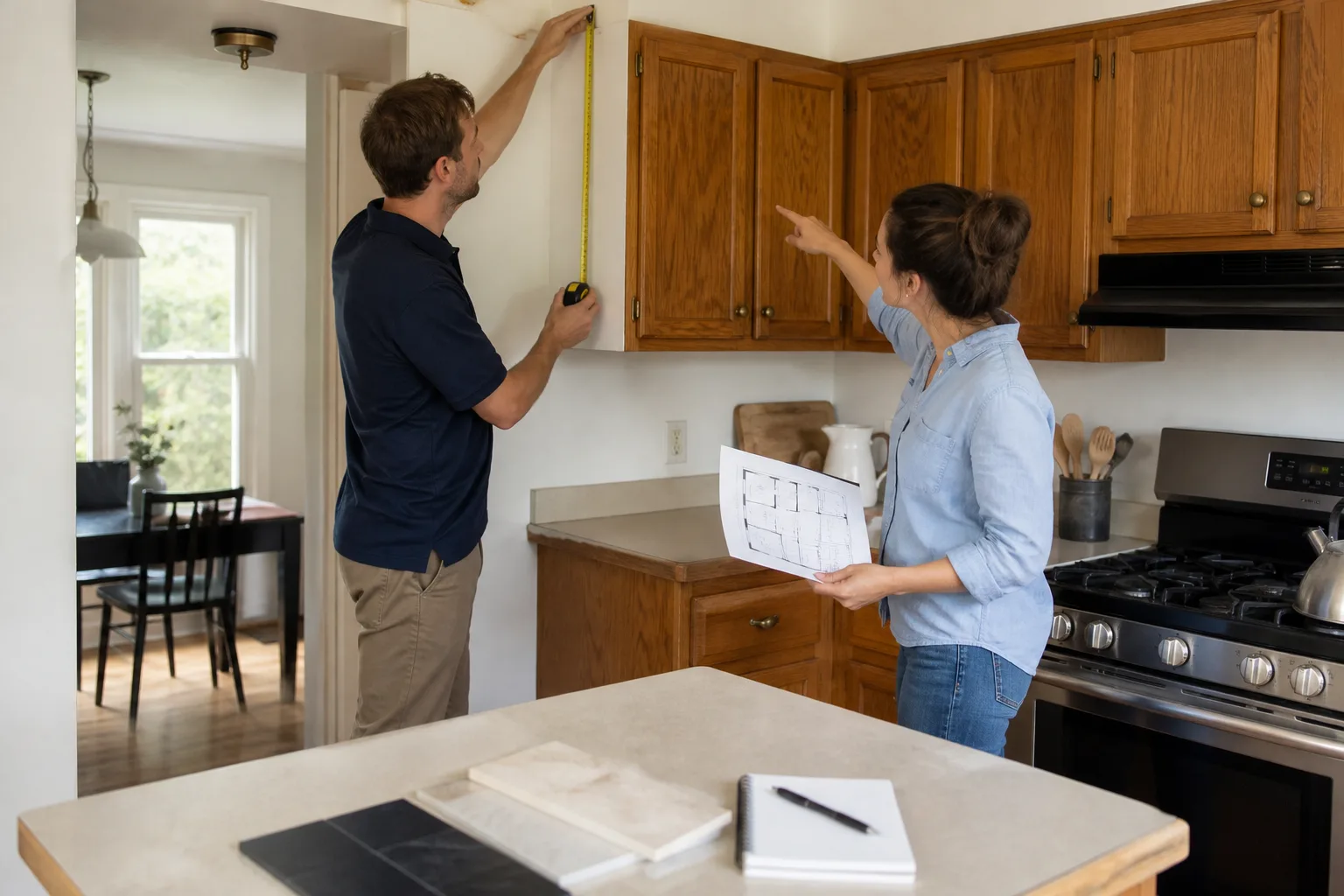
To hire a construction contractor in Ventura, verify their California contractor license through the CSLB, confirm they carry workers’ compensation insurance, get a written fixed-price contract with a payment schedule that complies with CA Business & Professions Code §7159 (deposit capped at 10% or $1,000, whichever is less), and check that they have a physical local presence and a history of pulling permits in Ventura County. The contractor you want will put the price in writing before work starts, document the job with photos, and answer the phone when you call.
Styles & brands we work with
- Kitchen remodeling
- Bathroom remodeling
- Home additions & ADU
- Roofing
- Windows & doors
- Driveway & pavers
- Fence
Table of Contents
- How to Verify a California Contractor License in Under 3 Minutes
- The 5 Contract Clauses That Protect Ventura Homeowners
- How to Read a Bid for What’s Missing
- Red Flags Specific to the Ventura Contractor Market
- What a Reasonable Payment Schedule Looks Like in California
- The 8 Questions to Ask Before You Sign Anything
- Common Mistakes to Avoid
- When to Call a Professional
- Frequently Asked Questions
How to Verify a California Contractor License in Under 3 Minutes
Every contractor working in Ventura on a project over $500 in combined labor and materials must hold a current license from the California Contractors State License Board (CSLB). Checking takes less than three minutes and it’s the single most important step before you sign anything. Go to the CSLB website, click “Check a License,” and enter the contractor’s license number or business name. Here’s what to look for.
The license status should read “Active” and the bond status should read “Current.” Now here’s the part most homeowners miss: “Active” is not the same as “Clear.” A license can show as Active while still carrying a pending suspension, a consumer complaint under investigation, or a disciplinary action on file. You want to see the word “Clear” on the license detail page. If the status says “Suspended,” “Revoked,” “Expired,” or “Inactive,” walk away no matter how good the number looks.
Two more things to check while you’re on the CSLB page:
- Workers’ compensation insurance. California requires every contractor with employees to carry workers’ comp. If the contractor has no employees and is exempt, the CSLB page will say so explicitly. If the contractor claims to have a crew but shows no workers’ comp, that’s a liability sitting on your homeowners insurance the moment someone gets hurt on your Ventura property.
- The license classification. A “B” classification is a General Building Contractor, which is what most remodels and whole-home renovations in Ventura require. A “C” specialty license (like C-54 for tile or C-36 for plumbing) only covers that one trade. Make sure the classification matches the scope of your project.
We’ve worked in Ventura and we still tell every client to check the CSLB before they sign with us or anyone else. A contractor who hesitates when you ask for their license number, or who gives you a number that doesn’t match the name on the bid, has already told you everything you need to know. The license check is the floor, not the ceiling.
The 5 Contract Clauses That Protect Ventura Homeowners
A contract isn’t proof that work will go well. It’s proof of what was agreed when things go sideways. Here are the five clauses that belong in every Ventura remodeling contract, written in plain language so you know exactly what to ask for.
1. Written Price Lock
The contract should state a fixed price in writing, not an estimate, and it should say under what conditions (if any) that price can change. California law requires a written contract for any home improvement project over $500. A contractor who wants to proceed on a verbal agreement in Ventura is either inexperienced or planning something. The written price lock means the number you sign is the number you pay, unless you approve a change order in writing first.
2. Photo Documentation Clause
This is the clause that separates modern contractors from the rest. The contract should specify that progress photos will be taken at defined stages: before demolition, after rough-in, before drywall, at finish. For a Ventura homeowner who works during the day, photo updates replace the four-hour window of wondering whether anyone showed up. Ask for a clause that says photos are provided at each draw request, so you’re never paying for work you can’t see.
3. Lien Waiver Schedule
When a subcontractor or material supplier doesn’t get paid, they can file a mechanics lien against your Ventura home, even if you already paid the general contractor. A lien waiver schedule prevents this. The contract should state that the contractor will provide conditional lien waivers from every subcontractor and supplier before each payment is released, and final unconditional waivers at project close. This is non-negotiable on any project with subs, and most Ventura remodels have subs.
4. Permit Responsibility Clause
The contract should name exactly who pulls the permits: the contractor, not you. In Ventura, the City of Ventura Building & Safety Division requires permits for nearly every remodel scope beyond cosmetic finishes, and the person whose name is on the permit is the person responsible for the work passing inspection. If the contractor asks you to pull the permit “to save money,” that’s a red flag in California. The permit holder carries the inspection liability.
5. Debris and Haul-Away Accountability
This is the clause nobody thinks about until the dumpster is gone and there’s a pile of drywall scrap against the fence. The contract should state that all construction debris, packaging, and removed materials are hauled away by the contractor at project close, and that the job site is left broom-clean. It should also specify who pays dump fees. For a coastal Ventura property, debris containment matters year-round: loose material blows into neighbors’ yards, and nobody wants a contractor who leaves a mess behind.
How to Read a Bid for What’s Missing
Two bids can look identical in total and be wildly different in what they actually include. The line items are where the truth lives. Here’s what an experienced Ventura contractor includes that a low-baller quietly excludes, and why each item matters on the coast. See also our Construction Cost Breakdown: The Ventura Homeowner’s Reference for 2026.
- Coastal material specs. Ventura sits in a marine environment. Salt air, fog, and sun exposure mean exterior materials need to be specified correctly. A proper bid names the material and the grade: James Hardie fiber cement siding instead of generic “siding,” GAF or CertainTeed roofing with the specific product line, stainless or coated fasteners on exterior work. A bid that just says “roof replacement” or “new siding” with no material name is missing the most important line.
- Permit fees as a line item. Ventura permit fees are real money and they should appear as a line on the bid, not buried in a round number. The City of Ventura calculates permit fees based on project valuation. A contractor who says “permits included, no charge” is either paying them out of the bid (fine, but it should say so) or not pulling permits (not fine).
- Inspection hold days. Remodel work in Ventura passes through multiple inspection points: rough framing, rough electrical, rough plumbing, insulation, final. Each inspection requires scheduling and a hold day or partial hold day. An experienced Ventura contractor builds these hold days into the timeline. A low-baller assumes inspections happen instantly, and when they don’t, the timeline slips and the change orders start.
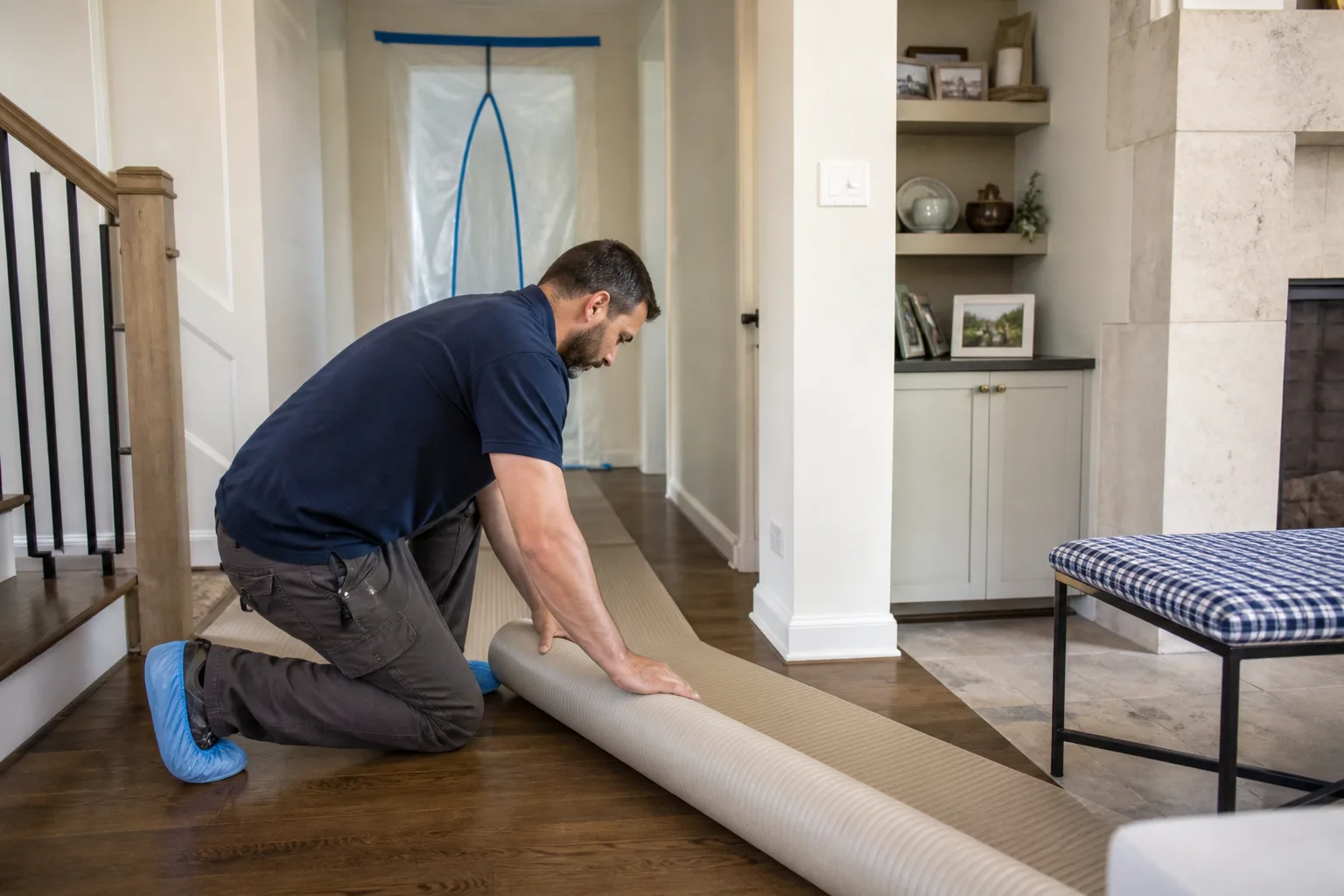
- Site protection and access. A proper Ventura bid includes protecting your floors, containing dust, and keeping the job site secure. Look for a line about floor protection, dust barriers, or site cleanup. If it’s absent, assume your hardwood floors are about to take some hits.
- Warranty and callback terms in writing. The bid or contract should state how long the workmanship warranty runs and what it covers. A written one-year warranty on workmanship is a reasonable baseline. If the warranty is verbal, it’s not a warranty.
The fastest way to compare bids is to lay them side by side and circle what one has that the other doesn’t. Don’t compare the total. Compare the scope of what the total buys. In Ventura, the bid that wins on price usually wins because something is missing from the page, not because the contractor is more efficient.
Red Flags Specific to the Ventura Contractor Market
Ventura’s contractor market has some patterns specific to this city. We’ve seen them all, and we’ll name them straight.
- No physical local address. Ask for the contractor’s business address. If the answer is a P.O. box, a coworking space, or they deflect the question, that’s a problem. A contractor without a physical presence in or near Ventura isn’t answerable to the local building community, the local permit office, or their local reputation. When something goes wrong six months later, you want a place to find them.
- Reluctance to pull permits. In Ventura, this is the biggest red flag there is. Some contractors will tell you a bathroom remodel “doesn’t really need a permit” or that pulling one “will slow everything down.” What they’re really saying is they don’t want the inspection. Unpermitted work can stop a home sale years later, and in some cases, your homeowners insurance won’t cover damage related to unpermitted modifications. If the contractor suggests skipping permits, end the conversation.
- Vague subcontractor language. Ask who does the work. “My guys” is not an answer. A legitimate Ventura contractor will tell you which trades they self-perform and which they subcontract, and they’ll name the subs they use. Vague language about “my crew” on a project that spans plumbing, electrical, and tile usually means day laborers and no workers’ comp.
- Quotes delivered verbally. California law requires a written contract before any work begins on a home improvement project over $500. If a contractor quotes you a number over the phone or in person and can’t follow it with a written, itemized bid, walk. A verbal quote in Ventura is not a negotiation style. It’s a hedge.
- Cash-only payment demands. A request for cash payment, especially cash upfront, is a red flag in any state. In California, where deposit limits are codified in law, it’s a legal red flag too. Cash payments leave no paper trail for lien protections or disputes.
What a Reasonable Payment Schedule Looks Like in California
California law governs how much a contractor can take as a deposit and how the rest of the payments should flow. Knowing these rules before you talk to contractors puts you in a stronger position at the negotiation table.
Under California Business & Professions Code §7159(d), a home improvement contractor cannot request or accept a downpayment of more than 10% of the total project price or $1,000, whichever is less, before work begins. If your project is $40,000, the maximum legal deposit is $1,000. If your project is $8,000, the maximum is $800. Any contractor asking for more upfront is either unaware of the law (not good) or ignoring it (worse).
After the deposit, payments should be tied to progress, not to time. Here’s a schedule that protects you:
- Deposit: 10% or $1,000 max, paid at signing.
- Progress draw 1: Paid when demolition is complete and rough work begins, typically 20-30% of the contract price.
- Progress draw 2: Paid after rough inspection passes, typically 20-30%.
- Progress draw 3: Paid at drywall and finish stage, typically 20-30%.
- Final payment: The remaining balance, paid only after final inspection passes, punch list items are complete, and you have final lien waivers in hand.
Never let payments get ahead of the work. If the contractor has collected 80% of the money and the project is 40% done, your leverage is gone. The payment schedule should protect both sides: the contractor knows the money is there at each stage, and you know you’re not paying for work that hasn’t happened.
The 8 Questions to Ask Before You Sign Anything
These are the questions that expose the difference between a contractor who works Ventura regularly and one who’s filling a gap. Ask all eight. The answers will tell you more than the bid will.
- What’s your CSLB license number, and may I verify it? A good contractor gives the number without hesitation. Any defensiveness is your answer.
- Who pulls the permits, and how much are the permit fees? The contractor pulls them. The fees appear as a line item. Anything else is a problem.
- Who is my point of contact during the project? You want a name and a direct phone number, not a call center or a project manager you’ll never meet. At Sawyer Remodel Ventura home we answer calls with a live person, 24/7, because a homeowner mid-remodel shouldn’t get a voicemail.
- Which parts of the work do you self-perform, and which do you subcontract? Every remodel uses some subs. The answer should be specific: “We self-perform framing and trim; we use a licensed electrician and plumber we’ve worked with for years.”
- How do you handle change orders? The answer should be: written change order, signed by both parties, price agreed before work continues. If they say “we’ll figure it out as we go,” that’s a red flag in any market.
- What’s your workmanship warranty, and is it in writing? A one-year written workmanship warranty is a reasonable baseline. Longer is better. Verbal warranties don’t exist.
- Will I get photo updates during the project? This is a question most homeowners don’t think to ask, and it’s the one that matters most for peace of mind. A contractor who documents with photos has nothing to hide.
- What materials are you specifying, and why? The answer should name brands and products with reasons. “We use James Hardie siding on the coast because it holds up to salt air better than vinyl.” If the answer is “whatever’s at the supply house,” you’re not getting a considered bid.
Common Mistakes to Avoid
- Signing the lowest bid without reading the line items. In Ventura, the lowest bid usually wins by omission: no permit fees, no site protection, no named materials. You’ll pay the difference later in change orders.
- Skipping the CSLB check because the contractor “seems nice.” Nice is not a license status. Three minutes on the CSLB website is the cheapest insurance you’ll ever buy.
- Paying a deposit over the legal limit. California caps deposits at 10% or $1,000, whichever is less. If a contractor asks for 50% upfront, they’re either breaking the law or they don’t know the law. Neither is acceptable.
- Agreeing to skip permits. Unpermitted work in Ventura can complicate a future home sale, void insurance claims, and leave you with work that never passed inspection. No project is worth that risk.
- Choosing a contractor without a local address. When the project is done and something fails six months later, you want a business you can find. A contractor without a physical presence in the Ventura area is a lease on a truck and a phone number.
- Not asking for photo documentation. You can’t be on site every day, but you should never have to wonder whether work happened. A contractor who won’t commit to photo updates is a contractor who doesn’t want you to see the work.
- Trusting a verbal quote. California requires written contracts for home improvement projects over $500. A verbal quote is legally meaningless and practically unenforceable.
When to Call a Professional
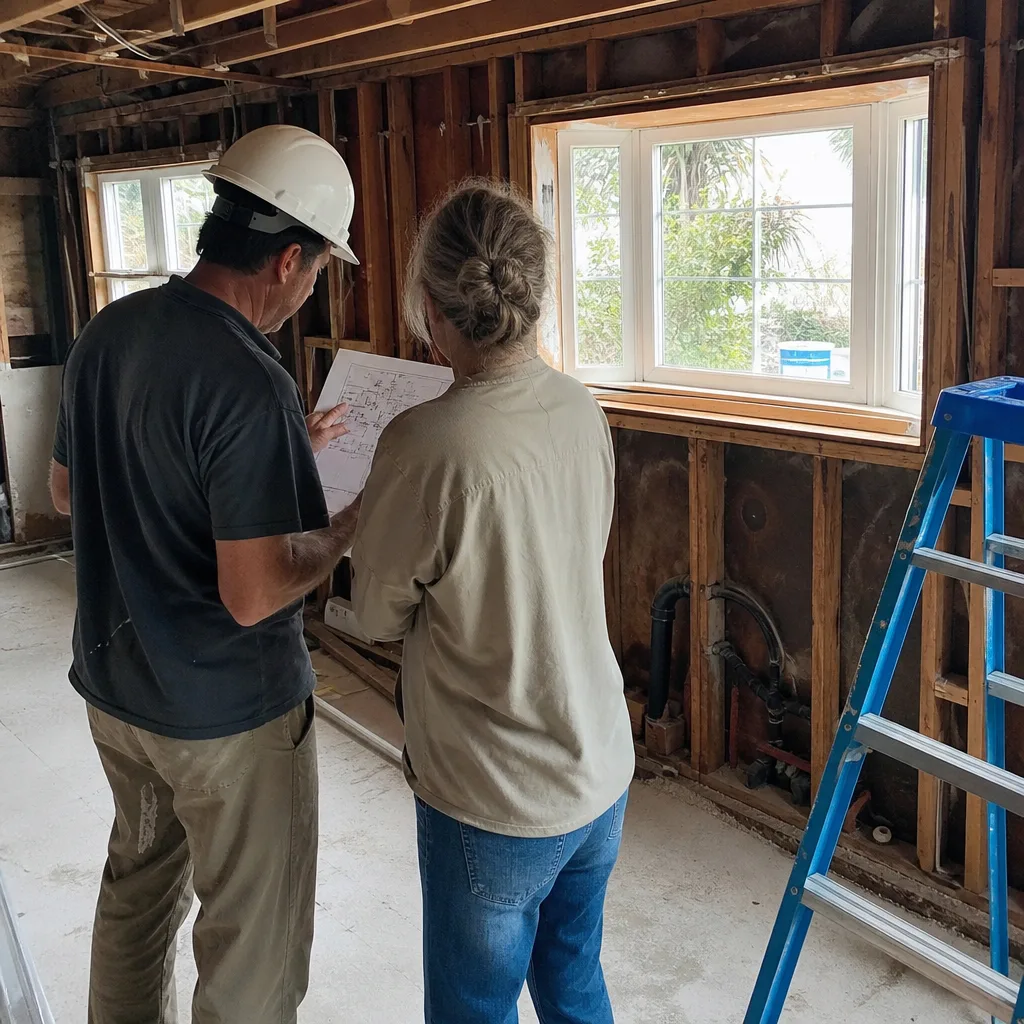
If your Ventura project involves moving plumbing, changing the roofline, opening walls, or touching anything structural or electrical, it’s time to bring in a licensed general contractor. The DIY window closes fast on coastal California homes, where a wall you open on a 1950s beach bungalow might reveal knob-and-tube wiring or termite damage behind the plaster. Some of these discoveries are better handled by someone who has opened two hundred Ventura walls before yours.
A full Home Renovation in Ventura project runs on permits, inspections, and subs, and the person coordinating all of that needs experience with the City of Ventura’s specific requirements. General Contractor in Ventura work is not a side project, and hiring a pro is the difference between a remodel that adds value and one that has to be redone.
Sawyer Remodel Ventura offers free estimates in Ventura. Call (831) 604-3426 to schedule yours.
Frequently Asked Questions
General contractor fees in Ventura typically run 15% to 25% of the total project cost on a cost-plus basis, while fixed-price contracts are more common on defined scopes like Bathroom Remodeling in Ventura, where a straightforward hall bath remodel typically falls in the $18,000 to $35,000 range depending on materials and scope. The contractor fee isn’t an add-on; it’s the cost of coordination, permits, scheduling, and liability. Call (831) 604-3426 for an exact quote on your project, estimates are free.
For a defined remodel scope, you should expect a site visit within a week of your first call and a written bid within two weeks after that. Start dates depend on permit turnaround at the City of Ventura, which typically runs two to six weeks for standard remodel permits. Contractors who can start tomorrow usually have no backlog, and no backlog is its own signal.
Yes, for nearly every remodel beyond cosmetic finishes like paint and flooring. The City of Ventura requires permits for any work that alters structure, plumbing, electrical, or mechanical systems. A bathroom remodel that moves a fixture or opens a wall needs a permit. If your contractor says otherwise, get a second opinion before proceeding.
Under California Business & Professions Code §7159, a contractor cannot request or accept a downpayment of more than 10% of the total project price or $1,000, whichever is less. Any request above that is a violation of state law. Call (831) 604-3426 to discuss what a legal payment schedule looks like for your project.
Go to the CSLB website, click “Check a License,” and enter the contractor’s license number or business name. Confirm the license status is “Active” and the license detail shows “Clear” rather than a pending action or complaint. Also verify the workers’ compensation status and the license classification matches your project scope.
Ask for their CSLB license number, who pulls permits, who your single point of contact will be, which work they self-perform versus subcontract, how they handle change orders, what their written warranty covers, and whether they’ll provide photo updates during the project. The answers to these eight questions reveal more than the bid number ever will.
The Bottom Line

Hiring a contractor in Ventura is a process of elimination, and the elimination starts with the license check and ends with the written contract. Verify the CSLB status, insist on a written fixed price with a legal payment schedule, confirm permits are pulled by the contractor, and demand photo documentation and lien waivers as standard practice. The contractor you want works Ventura regularly, has a local address, names their materials, and answers the phone. The contractor you want to avoid is the one who quotes low, skips the details, and hopes you won’t notice. You now know exactly how to notice.
Written by the team at Sawyer Remodel Ventura.
See the difference
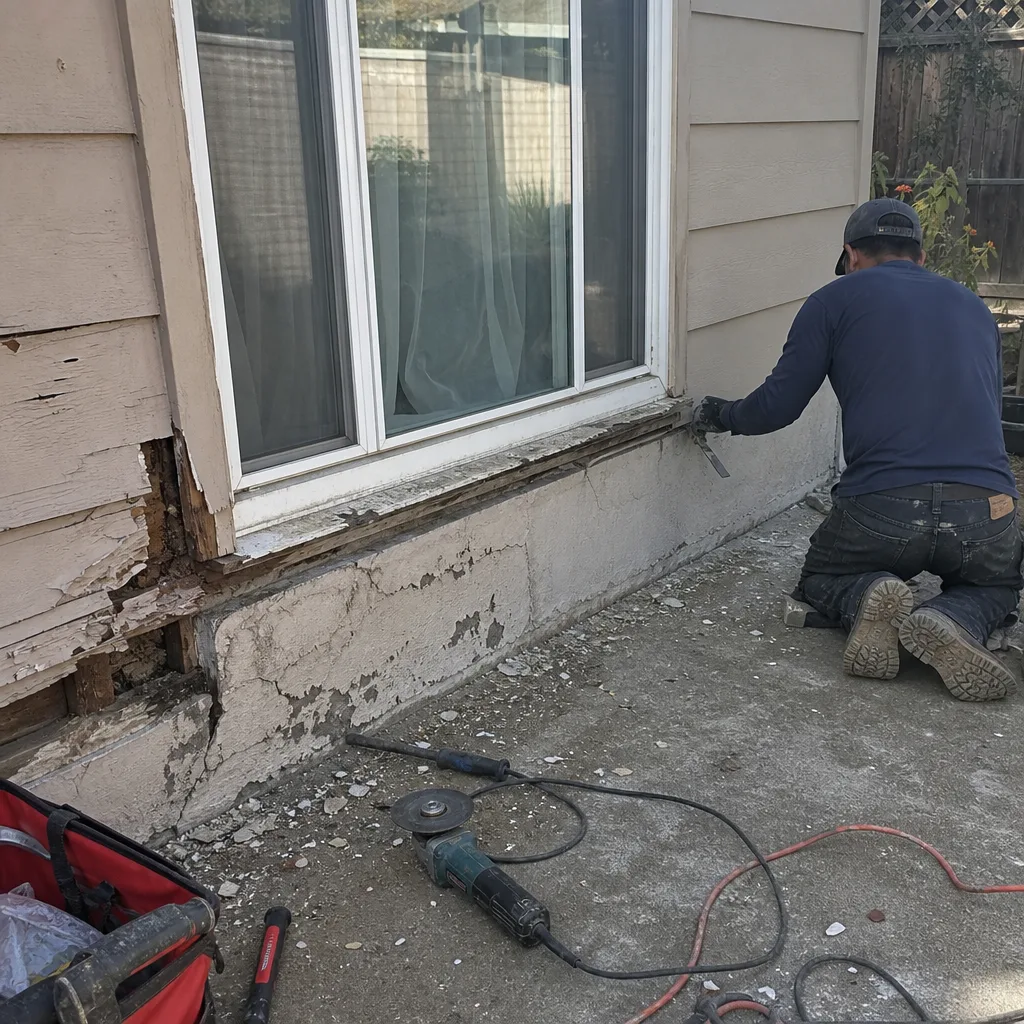 Before
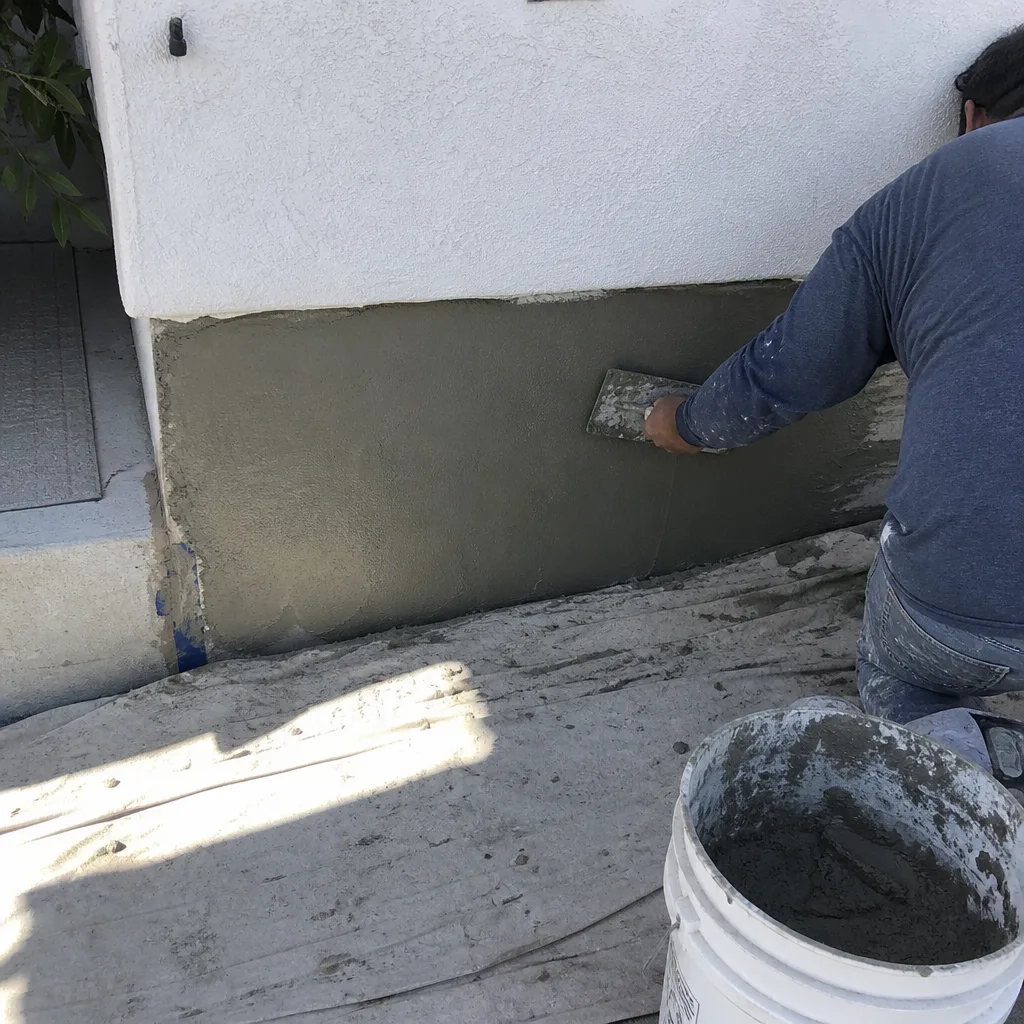 After
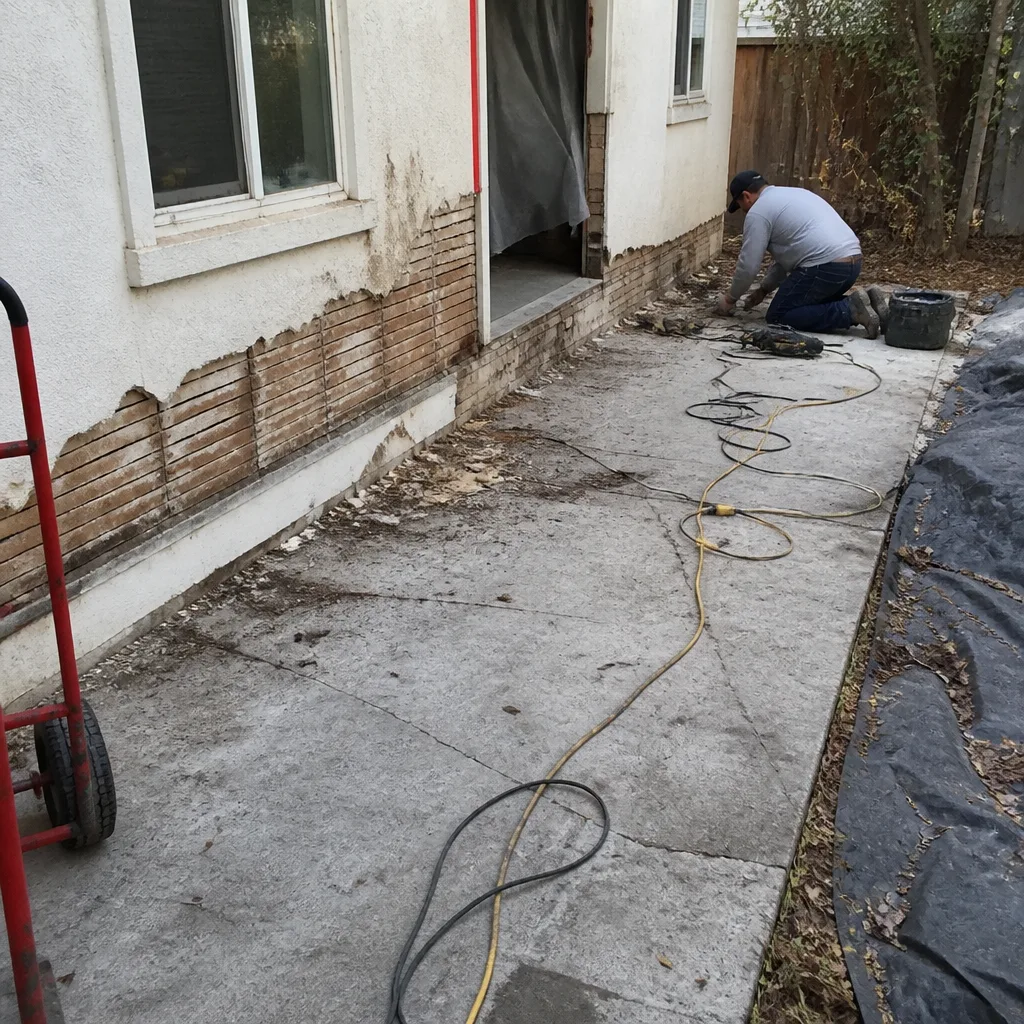 Before
 After
 Before
 After