Last updated October 16, 2026
Free written scope consultation - allowances, timeline, and change-order rules on paper before a single trade is scheduled
Construction Cost Breakdown: The Ventura Homeowner’s Reference for 2026
National remodeling cost averages are built from a data set that includes rural Texas, suburban Ohio, and mid-market Florida, then presented to Ventura homeowners as a benchmark. A kitchen remodel that “averages $75,000 nationally” runs closer to $110,000 to $140,000 in Ventura when you build in coastal specs, Ventura County permit fees, and current trade labor rates. This guide breaks down real 2026 numbers by project type, shows the line-item logic behind them, and tells you where Ventura homeowners overspend versus where cutting budget creates problems at inspection. For more guides & resources, see our blog. If you’re planning a remodel in Ventura, this is the reference your quote should be measured against.
Quick Answer
Remodeling costs in Ventura in 2026 run 25% to 45% above national averages depending on project type. A mid-range bathroom remodel lands between $28,000 and $45,000, a kitchen remodel between $110,000 and $140,000, an ADU between $180,000 and $260,000, and a full home addition between $300 and $450 per square foot. The premium comes from coastal material requirements, Ventura County permit and impact fees, and a skilled labor market where journeyman carpenters, plumbers, and electricians bill what their experience is worth.
Styles & brands we work with
- Kitchen remodeling
- Bathroom remodeling
- Home additions & ADU
- Roofing
- Windows & doors
- Driveway & pavers
- Fence
Table of Contents
- Why Ventura Costs More Than the National Average
- Kitchen Remodel Costs in Ventura: 2026 Numbers
- Bathroom Remodel Costs in Ventura: 2026 Numbers
- ADU Costs in Ventura: 2026 Numbers
- Home Addition Costs in Ventura: 2026 Numbers
- How to Read a Contractor Quote for Cost Accuracy
- Where Ventura Homeowners Overspend (And Where Cutting Costs Backfires)
- Common Mistakes to Avoid
- When to Call a Professional
- Frequently Asked Questions
Why Ventura Costs More Than the National Average
Ventura sits in a unique cost band within California. We’re not Los Angeles pricing, but we’re nowhere near Bakersfield or Fresno either. The difference comes down to four factors that most online calculators don’t model.
First, the marine layer. It’s not just fog. Salt air and persistent moisture mean exterior materials have to be corrosion-resistant. Galvanized hardware fails faster in Ventura than it does in Temecula. Stainless steel or coated fasteners, fiber cement siding instead of vinyl, and vapor-barrier assemblies rated for coastal humidity all add cost to the material line. On an exterior remodel, that coastal material premium runs 10% to 18% over what the same project costs inland.
Second, labor. Ventura County journeyman carpenters, plumbers, and electricians bill between $75 and $110 per hour depending on the trade, and good ones book out weeks in advance. The labor market tightened through 2024 and has not loosened. A contractor quoting below $65 per hour on skilled trade work in Ventura is either cutting corners you can’t see or will make it up in change orders.
Third, permit fees and impact assessments. Ventura County and the City of Ventura charge plan check fees, building permit fees, and sometimes school impact fees, traffic mitigation fees, or sewer connection charges depending on the project. See our guide to Construction Permits, Codes & Inspections in CA: What You Need to Know for details. An ADU that adds a second dwelling unit to a property can trigger school fees of $4 to $5 per square foot in 2025 and 2026 unless the project qualifies for the state’s ADU fee waiver. We detail those numbers below.
Fourth, supply chain distance. Ventura is not a major distribution hub for building products. Lumber, tile, and fixtures route through Los Angeles or the Central Valley, which means freight surcharges and lead times that flat-rate online estimators don’t capture. In our experience, fixture and finish lead times in Ventura run two to six weeks longer than the same order placed in a metro distribution market.
None of this means you’re being overcharged when a Ventura quote comes in high. It means the national average was never your benchmark in the first place. This guide exists so your quote makes sense instead of feeling like a guess. We run our home renovation projects in Ventura with the same logic: real numbers, written down, before work starts.
Kitchen Remodel Costs in Ventura: 2026 Numbers
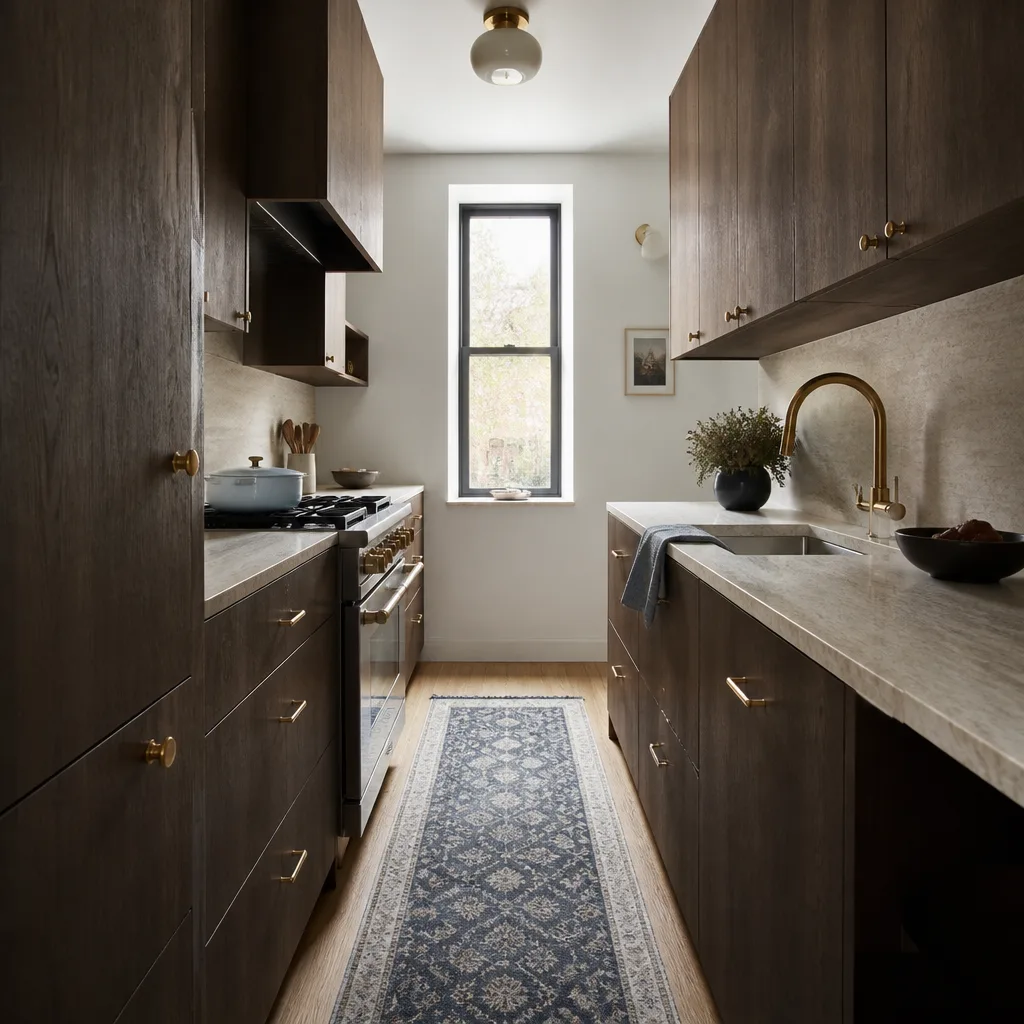
A mid-range kitchen remodel in Ventura in 2026 lands between $110,000 and $140,000 when you’re replacing cabinets, countertops, appliances, flooring, lighting, and plumbing fixtures in a standard 150 to 200 square foot kitchen. A major kitchen remodel that moves walls, relocates plumbing, or reworks the electrical panel runs $150,000 to $200,000 plus.
Here’s the line-item breakdown that produces those numbers:
- Cabinetry: $18,000 to $35,000. Stock cabinets trend toward the lower end. Semi-custom from a manufacturer like KraftMaid or Wellborn lands in the middle. Fully custom, site-built cabinetry pushes past $40,000. Cabinet costs are the single largest material line item in most Ventura kitchen remodels.
- Countertops: $6,000 to $12,000. Quartz from Cambria or Silestone runs $75 to $120 per square foot installed. Natural stone like marble or soapstone trends higher and needs sealing maintenance in Ventura’s humidity.
- Appliances: $8,000 to $20,000. Mid-range appliance packages from name-brand manufacturers run $8,000 to $12,000. High-end or pro-style packages from brands like Wolf, Sub-Zero, or Miele push past $25,000. The appliance line is where Ventura homeowners most often blow the budget, and it’s also the line where a quiet upgrade delivers the most daily satisfaction.
- Plumbing and electrical: $8,000 to $18,000. Moving a sink, running a gas line for a range, or adding dedicated circuits for appliances all cost real money. Code-compliant work in Ventura means GFCI protection where required, AFCI breakers on new circuits, and permits pulled for any electrical panel work.
- Flooring: $4,000 to $9,000. Engineered hardwood or porcelain tile are the two most common Ventura kitchen floors. LVP runs lower, and that’s fine if the subfloor is flat and the budget is tight.
- Labor: $35,000 to $55,000. This covers demolition, rough framing, drywall, cabinet installation, countertop fabrication and install, tile work, painting, and finish carpentry. In Ventura, skilled labor is the largest single line item on a kitchen remodel, not materials.
- Permits and design: $4,000 to $10,000. Ventura County plan check, building permits, and any required engineering or design work. If walls move or the layout changes, you need drawings. If you’re keeping the same footprint and just replacing finishes, permits are minimal but not zero.
- Contingency: 10% to 15% of the total. Set it aside. Something will surface when the walls open. In houses built before 1980 in Ventura, that something is often outdated wiring, non-code plumbing, or water intrusion that was invisible behind cabinets.
In our experience, the homeowners who feel best about their kitchen remodel are the ones who set their budget at the 80% mark and protect a contingency rather than maxing out from day one. It’s a practical discipline that works because it leaves room for the surprises that always come. Our general contractor work in Ventura has taught us that the surprises are predictable: it’s just a question of which one you get.
Bathroom Remodel Costs in Ventura: 2026 Numbers
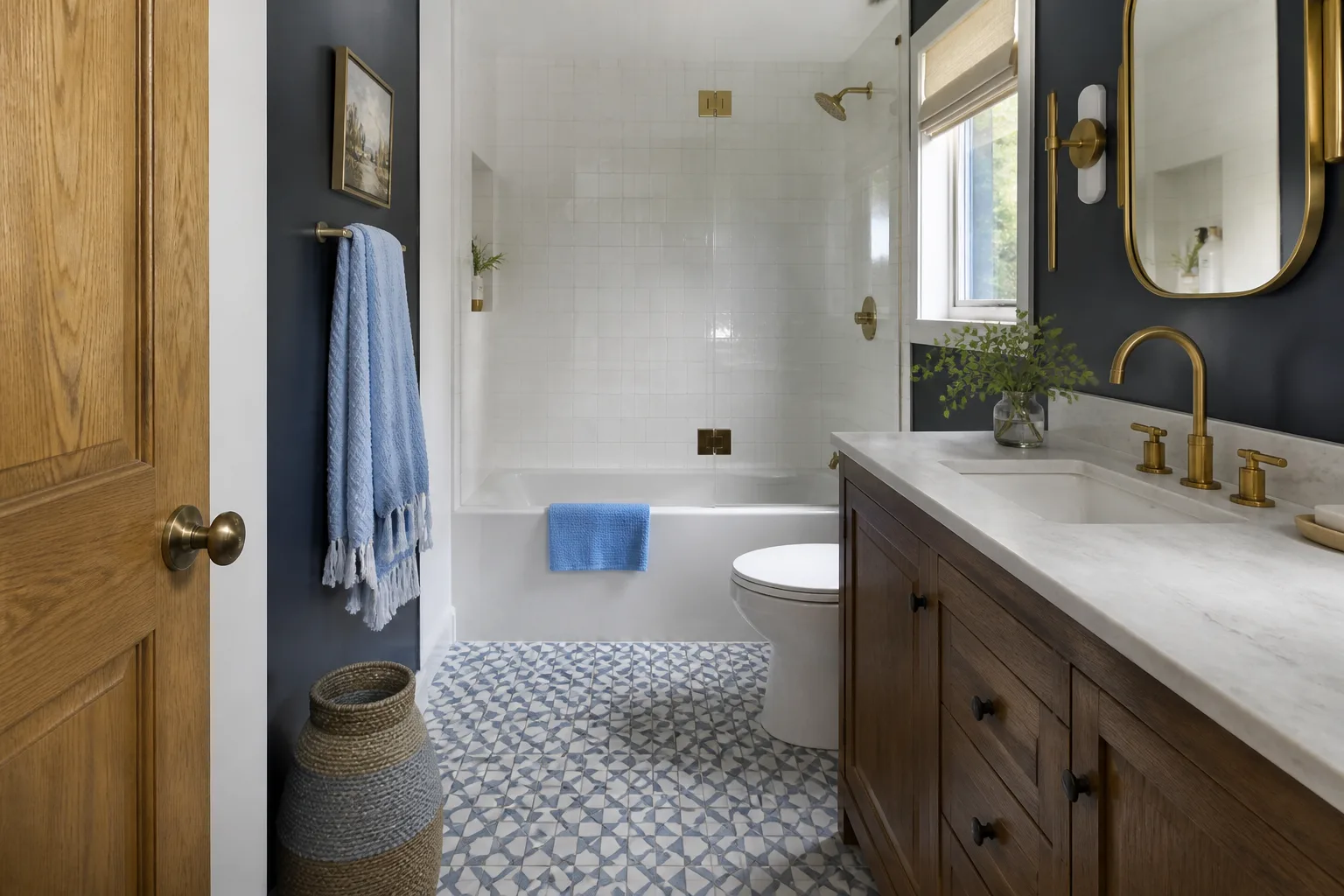
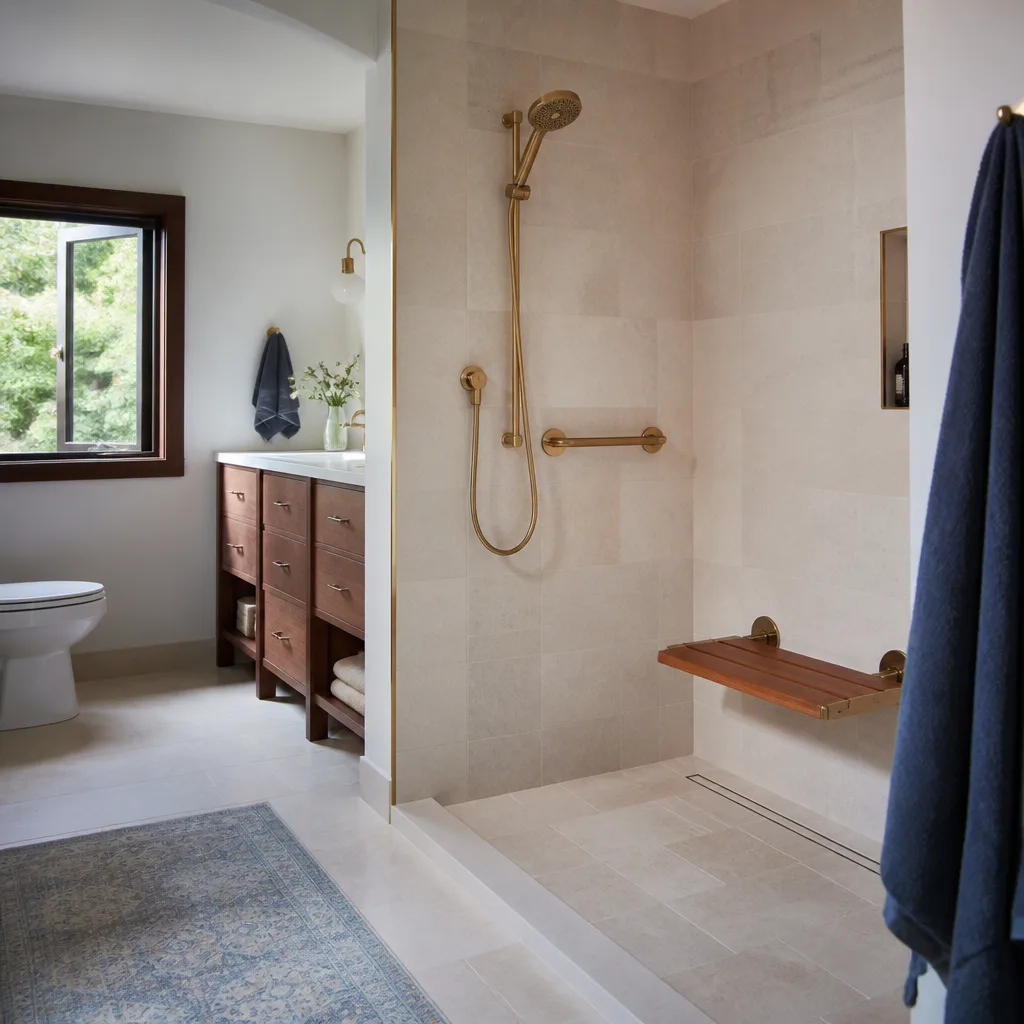
A mid-range bathroom remodel in Ventura in 2026 runs $28,000 to $45,000 for a full gut replacement of a standard 5-by-8 or 5-by-10 bathroom. A primary bathroom with a larger footprint, double vanity, custom shower, and heated floors pushes $50,000 to $75,000. A powder room refresh that replaces the vanity, toilet, and fixtures without moving plumbing can run $12,000 to $18,000.
Here’s the breakdown for a standard full bathroom remodel in Ventura:
- Demolition and disposal: $2,000 to $4,000. Dump fees in Ventura County add up faster than homeowners expect. A full bathroom gut produces two to four tons of debris, and the landfill rate per ton has climbed steadily.
- Plumbing: $4,000 to $9,000. Moving a drain or water supply line costs money, and it’s the line that DIY attempts most often get wrong. Ventura code requires all shower valves to be pressure-balanced or thermostatic, and a licensed plumber is the safest path to passing inspection.
- Waterproofing: $2,500 to $6,000. This is where we insist on doing it right. A Schluter or Wedi waterproofing system, properly installed, is what keeps water out of the wall cavity. In Ventura’s climate, where humidity is persistent, a failed waterproofing job shows up as mold within two years. This is not the line item to cut.
- Tile and tile labor: $4,000 to $10,000. Materials and labor together. Large-format tile costs more to install because it requires flatter walls and more careful handling. Shower floor tile with smaller formats costs less per square foot but more in labor because of the detail work.
- Vanity and countertop: $2,500 to $6,000. A quality vanity cabinet, quartz or solid-surface top, and a faucet from Kohler or Moen. The fixture quality matters: cheap faucets fail in Ventura’s hard water within a few years, while a quality cartridge lasts a decade.
- Shower glass: $1,500 to $3,500. Custom tempered glass for the shower enclosure, if your design includes it. A shower curtain is a fine budget choice; just know that some buyers read a curtain as a shortcut.
- Electrical and ventilation: $1,000 to $3,000. A properly sized exhaust fan vented to the exterior, not to the attic, is the single best defense against bathroom mold in Ventura. Code requires it. Cheap builders vent into the attic and it fails inspection.
- Labor: $10,000 to $18,000. This covers the trades: plumber, electrician, tile setter, drywall, painter, and finish work. In Ventura, a bathroom remodel touches six to eight different skilled people, and each one is paid for their time and skill.
- Permits: $800 to $2,500. Ventura County building permits for a bathroom remodel are based on valuation. Plan check fees add on top. It’s not a huge number relative to the project, but it’s a required one.
- Contingency: 10% to 15%. Same logic as the kitchen. Water damage hides behind old tubs and shower surrounds in Ventura homes, and you only find it after demolition.
For a deeper dive on what’s involved, read our bathroom remodeling guide for Ventura. It covers design decisions, material selection, and the timeline in more detail than fits in this cost reference.
ADU Costs in Ventura: 2026 Numbers
Accessory dwelling units have become Ventura County’s most common way to add living space without buying a bigger house. A detached ADU in Ventura in 2026 runs $180,000 to $260,000 for a 400 to 800 square foot unit, or roughly $400 to $500 per square foot. A garage conversion ADU runs lower, $120,000 to $180,000, because the shell already exists and you’re building inside it rather than from foundation to roof.
The cost structure for an ADU is different from a remodel because it’s technically a new residential unit. Here’s what changes:
- Foundation and site work: $15,000 to $30,000 for a detached unit. This includes excavation, formwork, concrete, and any grading or drainage work required by the site. Ventura lots on hillsides cost more to build on than flat lots, and that difference shows up first in the foundation line item.
- Framing, roofing, and exterior: $40,000 to $65,000. A new structure with a roof, exterior sheathing, windows, doors, and siding. Fiber cement siding from James Hardie carries a premium in Ventura because it’s the right material for coastal conditions, and it’s what we recommend over vinyl every time.
- Mechanical, electrical, and plumbing: $30,000 to $50,000. A full kitchenette and bathroom require water supply, drain lines, electrical service, HVAC, and a water heater. If the existing panel needs an upgrade to handle the additional load, that’s another $3,000 to $6,000 on top.
- Interior finishes: $35,000 to $60,000. Drywall, paint, flooring, kitchen cabinets, countertops, bathroom fixtures, and lighting. The same material choices apply as in a kitchen or bathroom remodel, scaled to the smaller footprint.
- Permits and impact fees: $10,000 to $30,000. This is the line that surprises Ventura homeowners the most. Ventura County school impact fees currently run around $4 to $5 per square foot for new residential units, and an 800 square foot ADU can trigger $3,200 to $4,000 in school fees alone. Traffic mitigation fees, sewer connection charges, and plan check fees add on top. The state’s ADU fee waiver applies to certain units under 750 square feet and can eliminate some of the impact fees, but the waiver has specific conditions and does not apply to all Ventura County projects. Check your specific project with the county before assuming fees are waived.
- Contingency: 10% to 15%. Same discipline as every other project type. Site surprises, material delays, and plan check corrections all consume contingency on ADUs.
An ADU is not a cheap way to add space, even with California’s streamlined approval process. But it is a durable asset that adds rental income or family housing capacity to a Ventura property, and the numbers above are what a real ADU costs in 2026.
Home Addition Costs in Ventura: 2026 Numbers
A full home addition in Ventura runs $300 to $450 per square foot in 2026. A 400 square foot master suite addition lands between $120,000 and $180,000. A 600 square foot family room plus bedroom addition runs $180,000 to $270,000. The per-square-foot number is useful for rough planning, but it hides the real cost drivers.
The biggest cost driver on a Ventura addition is the roof tie-in. Connecting a new roof structure to an existing roof requires cutting into the existing roofline, matching framing, and installing proper flashing so the junction doesn’t leak. In a coastal climate, that roof junction is where water intrusion happens when the flashing is done wrong. Our Construction Warning Signs: A Ventura Homeowner’s Reference Guide covers what to watch for. A proper roof tie-in alone can run $8,000 to $15,000 depending on complexity, and it’s the single most common source of failed additions we’ve seen.
The second driver is the foundation match. Ventura homes built before 1980 often sit on raised foundations, while new additions typically use slab-on-grade or post-tension construction. Matching the new foundation to the old one requires engineering and careful transition detailing. Expect $5,000 to $15,000 in engineering and foundation transition work on a typical addition.
Beyond those two structural items, the cost breakdown mirrors the ADU numbers: framing, roofing, mechanical, electrical, plumbing, insulation, drywall, finishes, permits, and contingency. The difference is that an addition ties into your existing home, which means it touches your existing wiring, your existing panel, your existing roofline, and your existing foundation. Each of those touchpoints is a place where a competent contractor adds cost that an incompetent one skips, and you find out which one you hired when the first winter rain arrives.
How to Read a Contractor Quote for Cost Accuracy
Most homeowners read a quote the way they read a restaurant menu: they find the total, check it against the budget, and sign. That’s how change orders happen. A quote is a work plan and a cost document at the same time, and the way it’s structured tells you whether the contractor plans to hold the price or treat it as an opening bid.
There are three common quote formats, and they protect you very differently:
- Allowance-based quotes: The contractor gives you a total, but some line items are listed as “allowances” with a dollar figure attached. The allowance is an estimate, not a commitment. If the actual tile you choose costs $4,000 and the allowance was $2,500, that difference is a change order. Allowance quotes are fine when the allowance is realistic, but they require you to track every allowance against actual cost, and most homeowners don’t. In our experience, allowance-based quotes are where Ventura homeowners most often see the final invoice exceed the signed quote.
- Line-item spec quotes: Every material is specified by brand and model, every labor line is broken out by trade, and the total is the sum of the parts. This is the most transparent format, and it’s the one we produce at Sawyer Remodel Ventura. When a line-item spec quote says the kitchen faucet is a Kohler model at $289, that’s the faucet and that’s the price. When materials go up between quote and order, you can see exactly which line moved and by how much.
- Lump-sum category quotes: The contractor gives you a total and maybe three or four category subtotals: “kitchen,” “bathroom,” “flooring.” It’s simpler to read, but it hides the details. When a disagreement arises, neither side can point to a specific line item because there isn’t one. Lump-sum quotes are the easiest to inflate and the hardest to audit.
The format that protects you when materials go up is the line-item spec. It’s more pages to read, but it’s the only format where the price on the invoice matches the number you approved. Every project we run operates under a written price before any work starts, and that price stays the price unless you approve a change in writing.
Where Ventura Homeowners Overspend (And Where Cutting Costs Backfires)
The places Ventura homeowners overspend are predictable because they’re driven by showroom emotion. Kitchen appliances are the biggest one. A pro-style range that costs $9,000 versus a high-quality standard range at $2,500 will not make the kitchen feel $6,500 better to anyone who isn’t a serious home cook. The same applies to statement light fixtures, premium bathroom vanities, and custom closet systems. These are the places to spend according to your actual use, not the photo you saw online.
The places where cutting budget backfires are less visible, which is why they catch homeowners off guard.
- Waterproofing: Cutting waterproofing on a shower or exterior addition in Ventura’s humidity is false economy. The cost to remediate a failed waterproofing system runs three to five times what doing it right costs the first time. This is the line item we will not reduce, and neither should you.
- Ventilation: A bathroom fan that vents into the attic instead of through the roof will fail inspection in Ventura County and will grow mold in the attic. A properly vented fan costs $200 to $400 more. It’s not a savings, it’s a deferred cost.
- Electrical panel capacity: If your addition or significant remodel needs panel capacity and the contractor suggests working around the existing panel instead of upgrading it, walk away. An overloaded panel is a fire risk and a code violation. The panel upgrade is $3,000 to $6,000 and it’s not optional.
- Structural engineering: Anything that moves a wall, cuts a beam, ties in a roof, or changes a foundation needs an engineer’s stamp in Ventura County. A contractor who says “we don’t need engineering for this” is a contractor whose work you’ll be redoing.
- Fasteners and exterior hardware: Coastal corrosion is real. Stainless and coated fasteners cost more than zinc-plated, but zinc-plated fasteners rust through in Ventura’s salt air within five to ten years. This is a material spec that matters for the life of the structure.
The smart optimization is to spend on the things that protect the structure and last for decades, and save on the things you can replace without opening a wall. We’ve built our reputation on written pricing and honest tradeoffs rather than convincing homeowners to overspend on either side of that line. As part of the Relay Home Co. family since 2005, our Sawyer Remodel Ventura home has always operated this way: give the price in writing, explain the tradeoffs, and let the homeowner decide.
Common Mistakes to Avoid
- Benchmarking to national averages. Ventura is not a national market. If your budget is built on a $75,000 national average kitchen and our quote comes in at $120,000, the gap is the Ventura coastal premium, not contractor padding. Use the numbers in this guide as your baseline instead.
- Signing an allowance-based quote without auditing every allowance. Allowances are estimates, not commitments. If the allowance on your tile is $2,500 and the tile you choose is $4,000, that’s a $1,500 change order. Go line by line before you sign.
- Cutting waterproofing or ventilation to save money. In Ventura’s coastal humidity, these cuts show up as mold within two years and cost three to five times the savings to remediate.
- Skipping permits to save fees. Unpermitted work in Ventura County complicates resale, can invalidate insurance claims, and puts you on the hook for bringing the work to code if the county discovers it. Permits cost money because they verify the work, not because the county wants to punish you.
- Choosing the low bid without comparing scope. In Ventura, skilled trade labor bills $75 to $110 per hour. A bid that’s 30% below everyone else is not a deal, it’s a scope gap: missing waterproofing, unlicensed subs, cheap materials, or no contingency. Get three bids and ask each contractor what the other two are probably missing.
- Ignoring the contingency. Something always surfaces when walls open. If your budget is exactly the quote with no cushion, you’ll be financing change orders on a credit card. Set aside 10% to 15% and treat it as part of the project cost.
- Not verifying who is doing the work. Some contractors sell the job and subcontract every trade to whoever is available. We send background-checked, uniformed technicians whose names you know before they arrive. Ask your contractor who shows up and verify they’re licensed before the work starts.
When to Call a Professional
Structural moves, electrical panel work, gas line modifications, and any project that touches waterproofing or the building envelope should always go to a licensed professional in Ventura County. These are not DIY projects, and the cost of fixing an amateur attempt exceeds the cost of hiring right the first time. Read our DIY vs Professional Construction: The Ventura Homeowner’s Decision Guide before deciding. If you’re planning a remodel that moves walls, adds square footage, or opens a shower wall, get a written line-item quote from a licensed contractor before you commit to a budget. Sawyer Remodel Ventura offers free estimates in Ventura, call (831) 604-3426 to schedule one, and every quote includes a written price before any work starts, a live arrival time, and photo updates before and after.
Frequently Asked Questions
A mid-range kitchen remodel in Ventura runs $110,000 to $140,000 in 2026, with a major remodel that moves walls or relocates plumbing running $150,000 to $200,000 plus. The premium over national averages comes from coastal material requirements, Ventura County permit fees, and skilled labor at $75 to $110 per hour. Call (831) 604-3426 for a written line-item quote on your specific kitchen, estimates are free.
A full bathroom remodel in Ventura runs $28,000 to $45,000 in 2026, with primary bathrooms running $50,000 to $75,000 and powder rooms at $12,000 to $18,000. Waterproofing, ventilation, and plumbing are the three lines you should never cut in Ventura’s coastal humidity. Call (831) 604-3426 for an exact quote based on your space, the estimate is free.
A detached ADU in Ventura runs $180,000 to $260,000 in 2026, or $400 to $500 per square foot, with garage conversions at $120,000 to $180,000. School impact fees of $4 to $5 per square foot and other county fees add $10,000 to $30,000 to the total, though some units under 750 square feet qualify for the state’s ADU fee waiver. Call (831) 604-3426 for a written estimate specific to your lot and project scope.
Not on our projects. Every Sawyer Remodel Ventura job operates under a written price before any work starts, and that price stays the price unless you approve a change in writing. Allowance-based quotes from other contractors are the common source of mid-project price increases, because allowances are estimates, not commitments. That’s why we use line-item spec quotes where every material is named by brand and model before you sign.
Yes. We pull all required Ventura County and City of Ventura permits for every project, and we work to pass inspection the first time. Unpermitted work complicates resale and insurance claims, and we don’t put our name on it. On projects that trigger school fees, traffic impact fees, or sewer connection charges, those fees appear as a line item on your written quote so you know what you’re paying before work starts.
A standard bathroom remodel in Ventura takes 3 to 5 weeks from demo to final inspection. A kitchen remodel runs 6 to 10 weeks. An ADU runs 6 to 12 months depending on plan check and site conditions. We give you a written schedule with your quote, and you get photo updates before and after each phase so you always know where the project stands. Call (831) 604-3426 for a timeline specific to your project, the estimate is free.
The Bottom Line
Ventura remodeling costs in 2026 run 25% to 45% above national averages because coastal material requirements, county permit fees, supply chain distances, and skilled labor rates are all higher here than in the data set behind most online calculators. The numbers in this guide, bathrooms at $28,000 to $45,000, kitchens at $110,000 to $140,000, ADUs at $180,000 to $260,000, and additions at $300 to $450 per square foot, are real Ventura numbers built from the line items behind them. Use them to set your budget, read every quote line by line, protect a contingency, and spend on structure while you save on finishes. When you’re ready for a written price on your project, call (831) 604-3426. Sawyer Remodel Ventura gives you the number in writing before a single tool is picked up, and the Done Right Promise means if it’s not done right, we make it right.
Written by the team at Sawyer Remodel Ventura.
See the difference
 Before
 After
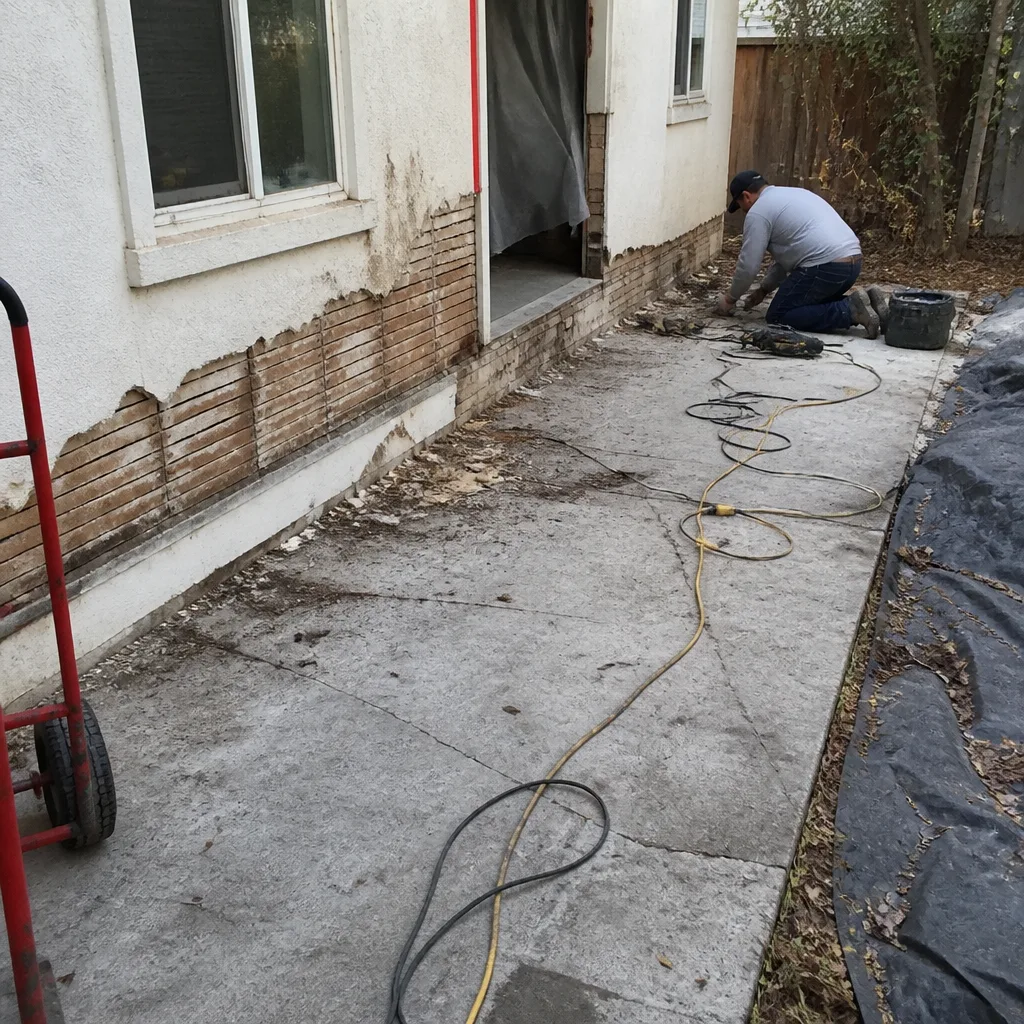 Before
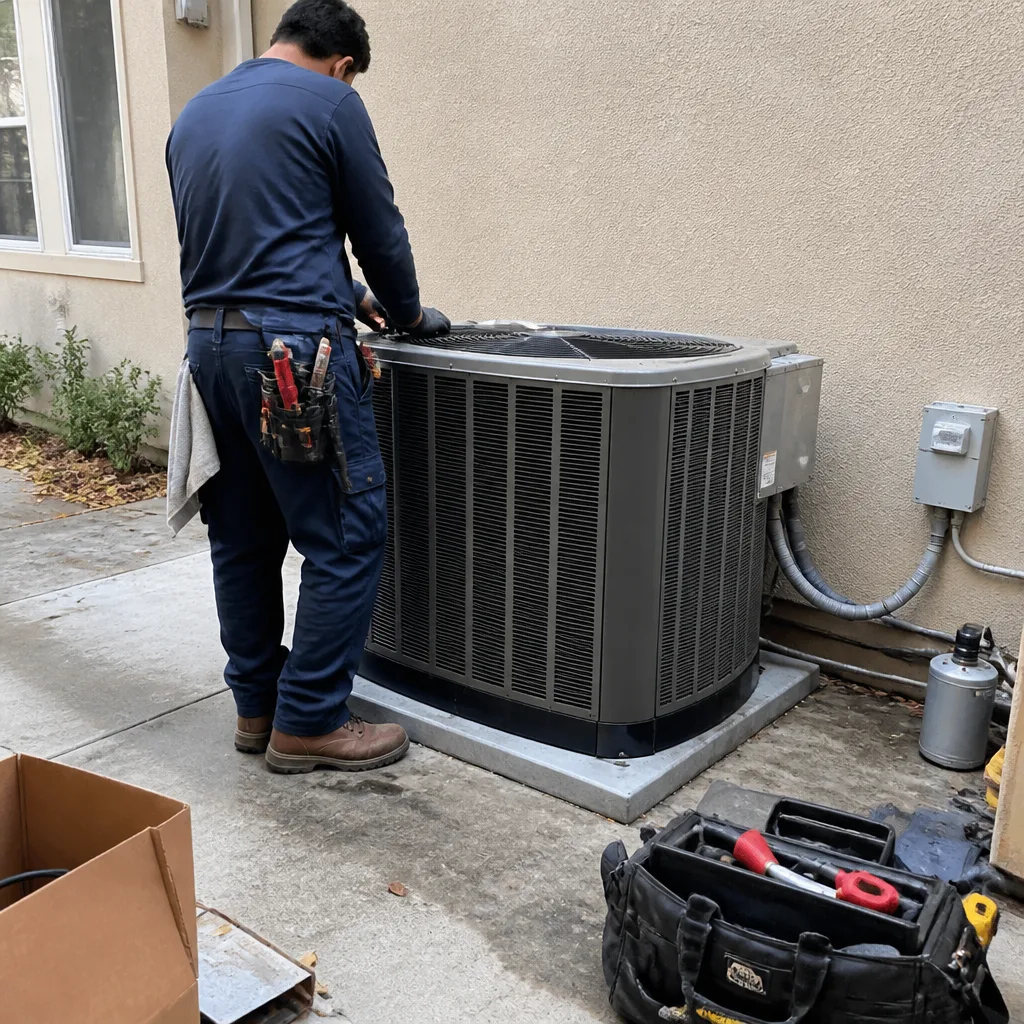 After
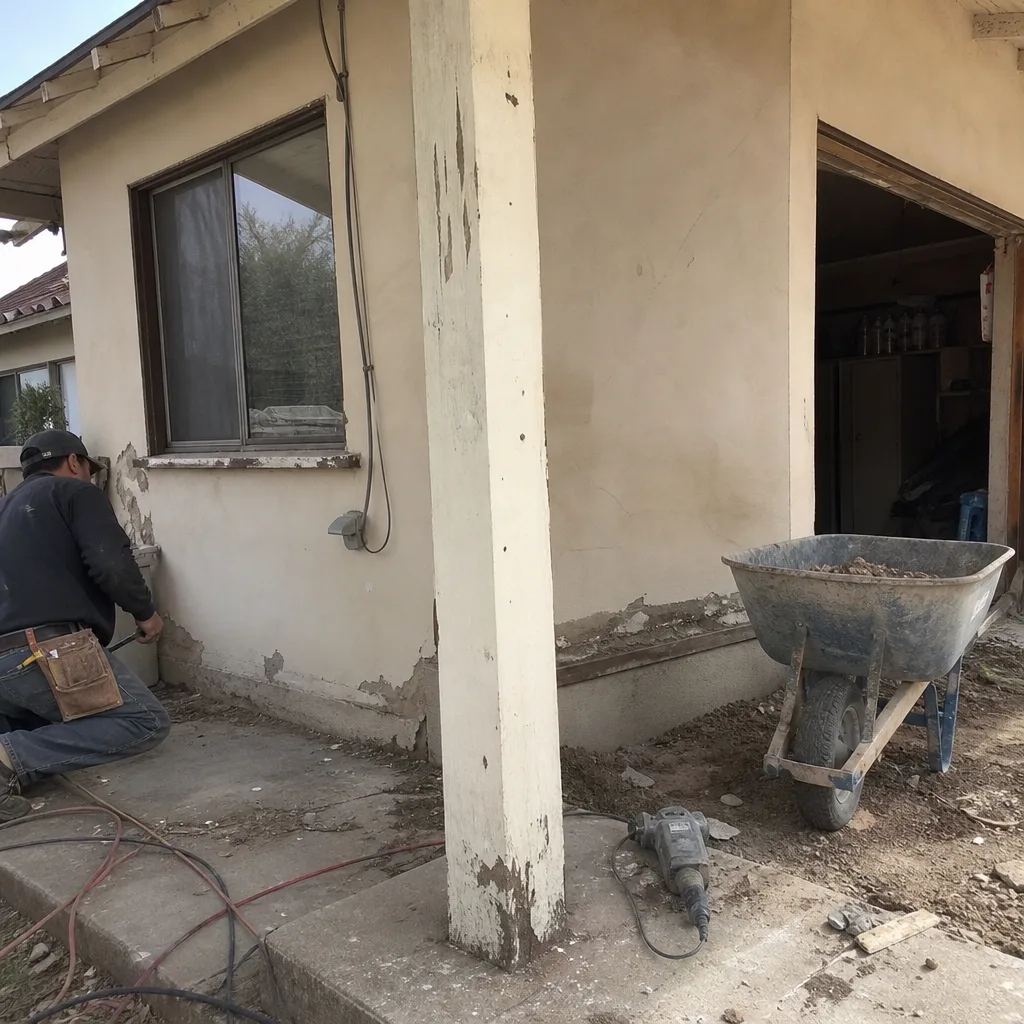 Before
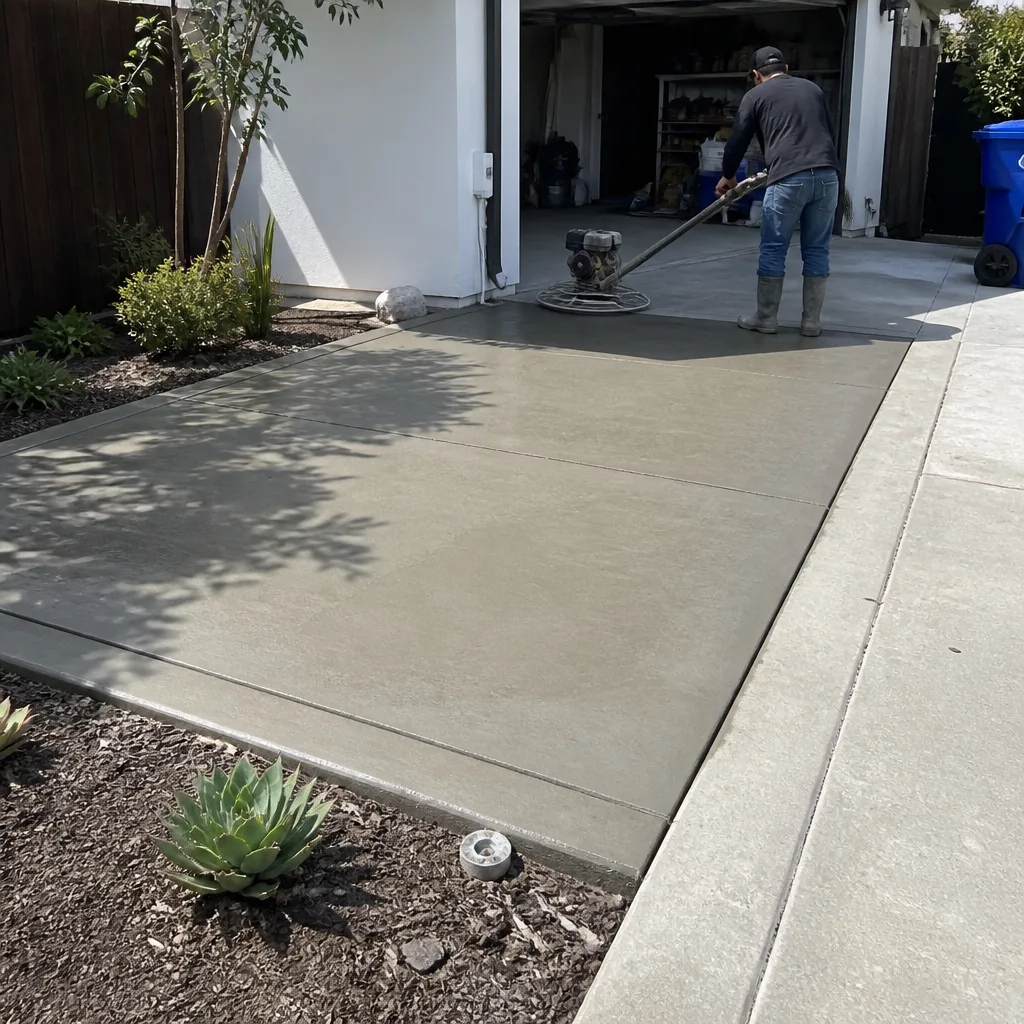 After